
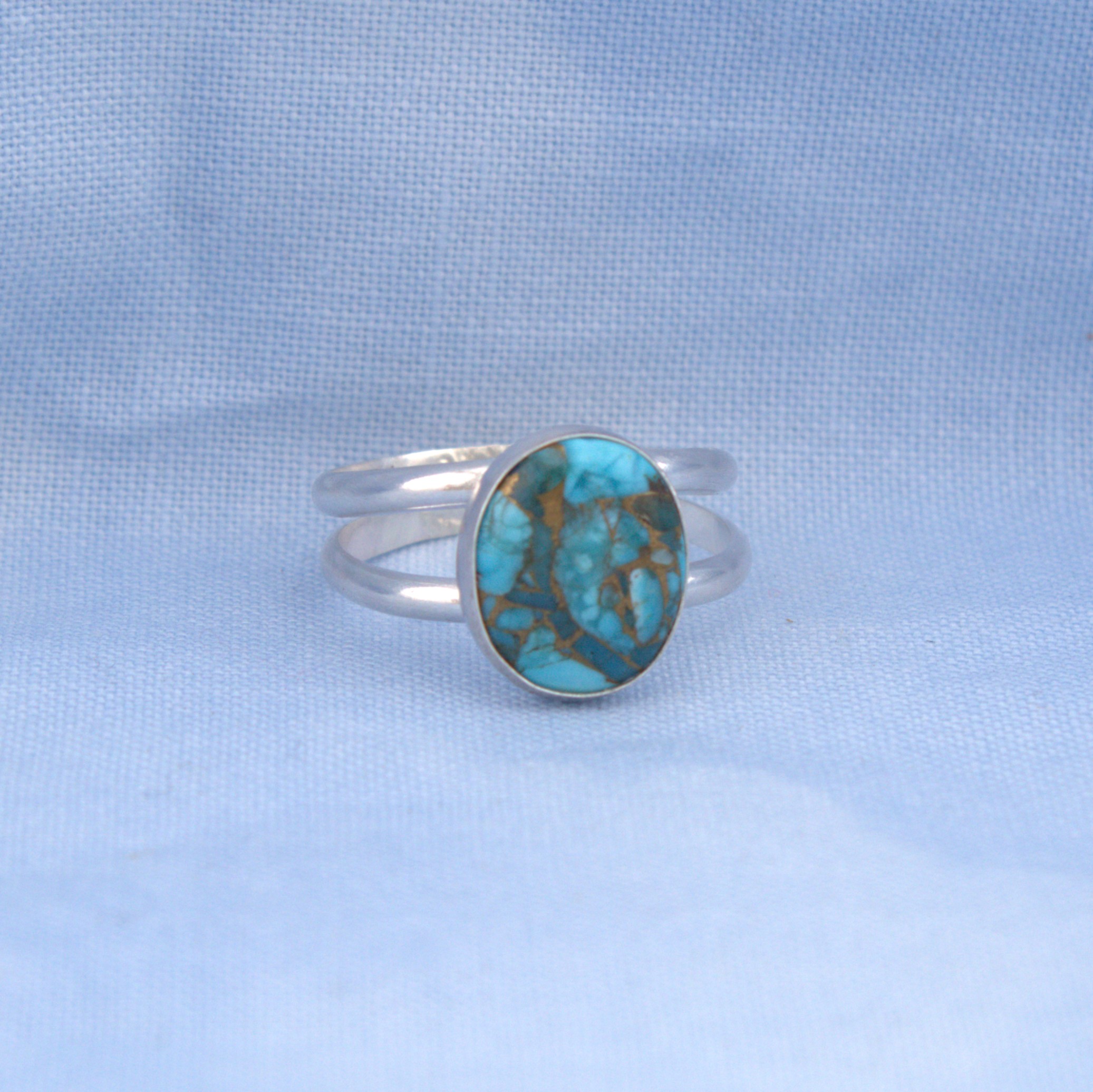
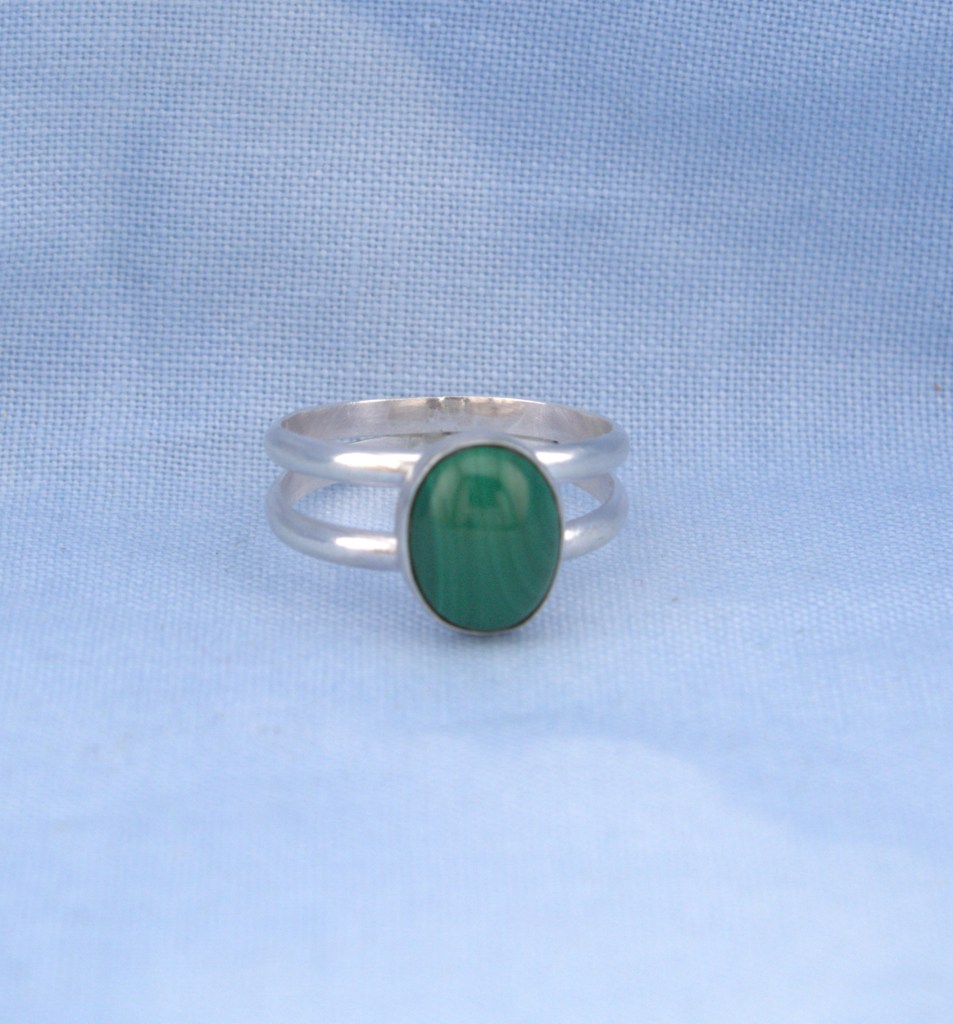
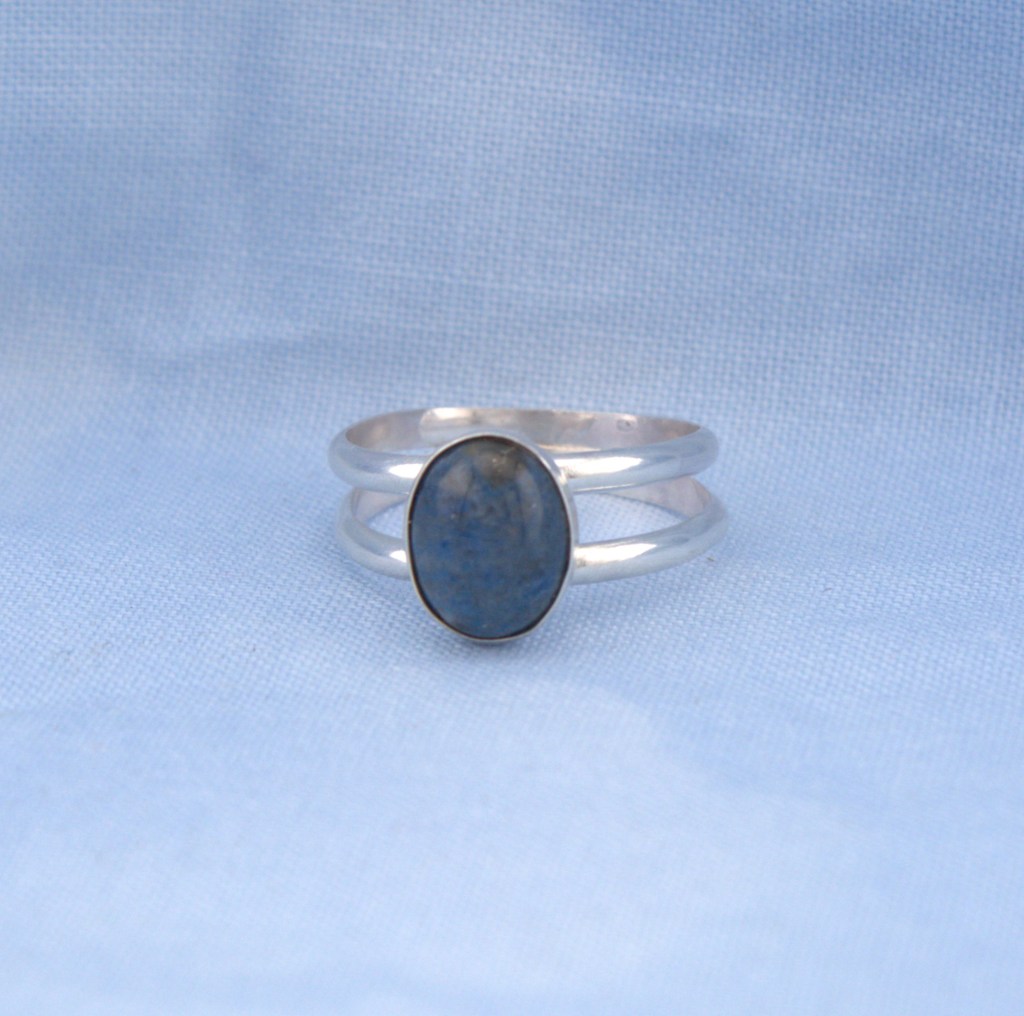
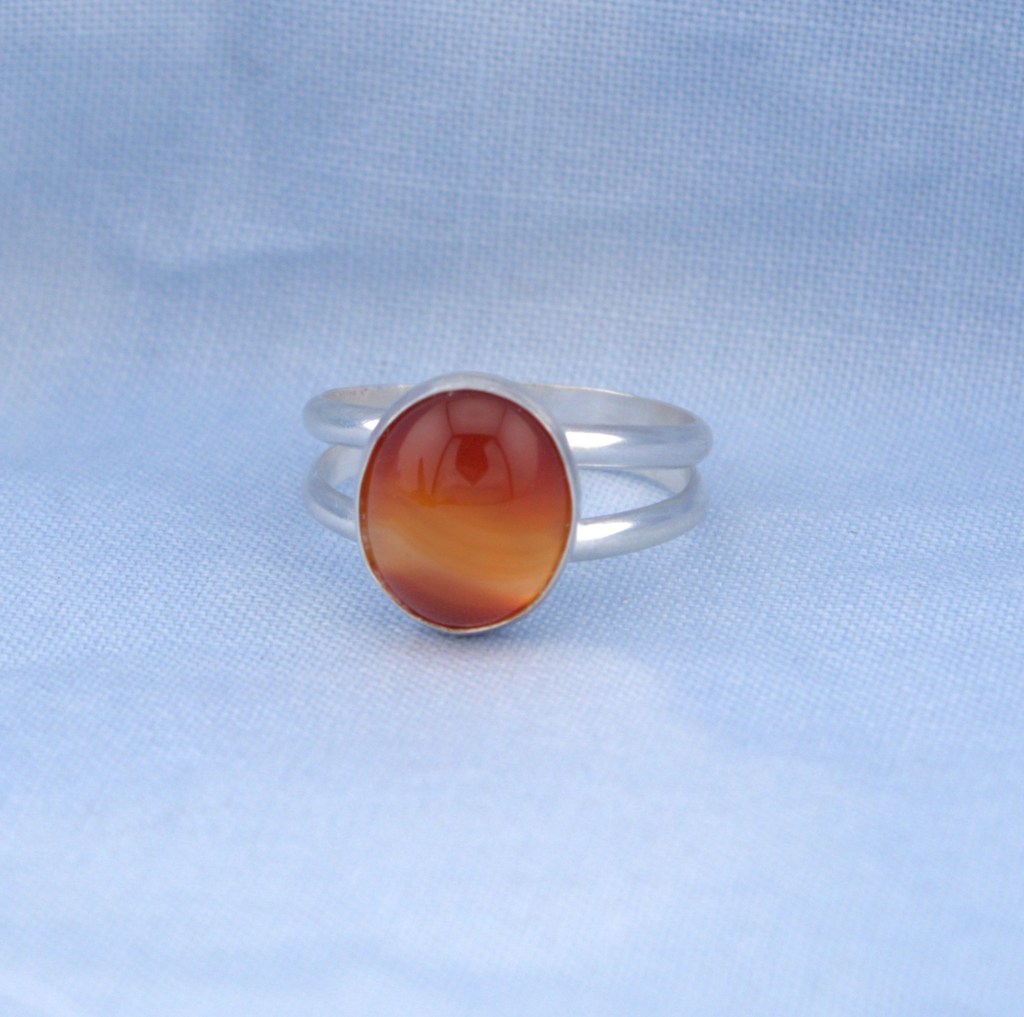
New rings in turquoise, carnelian, lapis lazuli and Malachite. All are set in Sterling Silver. The sizes vary and can be found in the product details.
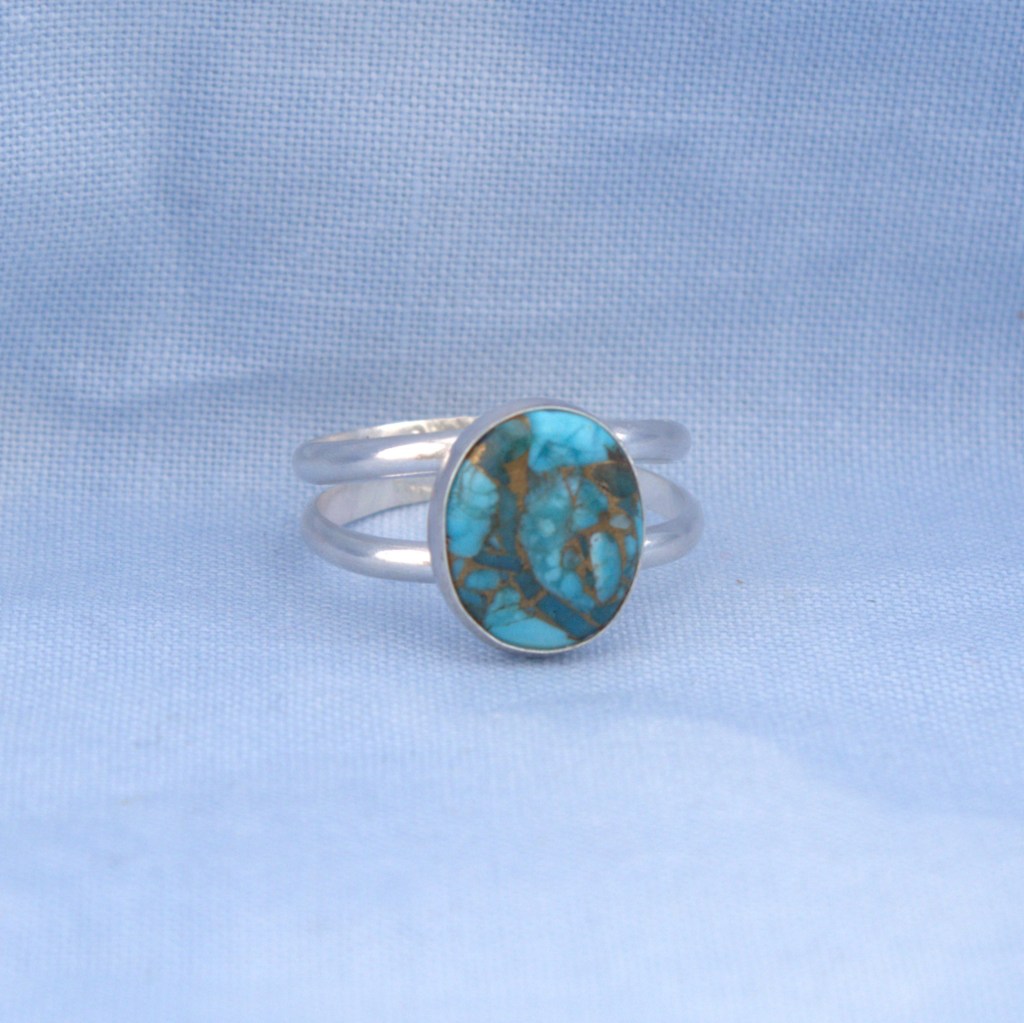
Turquoise:
Turquoise history spans at least 7,500 years, with significant cultural use in ancient Egypt, Persia, and the Southwest United States. It was valued for its protective qualities and association with the sky. The gemstone’s name derives from the French word for “Turkish stone,” referring to its 13th-century introduction to Europe via Turkish traders. However, it was originally sourced from Persia (Iran) and the Sinai Peninsula. Today, it remains integral to the cultures of Native American communities. It is still mined in the American Southwest, Iran, and China.
Carnelian:
Carnelian, a vibrant orange variety of chalcedony, has a rich history dating back to the Bronze Age. It was used by ancient cultures like the Egyptians, Sumerians, Greeks, and Romans for protective amulets, symbolic seals, and status. Believed to grant courage, promote spiritual growth, and ensure safe passage into the afterlife, carnelian was a popular gemstone in the Indus Valley Civilization and the Roman Empire. It was even included in ancient religious texts and the High Priest’s breastplate in biblical times.
Lapis Lazuli:
Lapis lazuli has a history of over 6,500 years, beginning in ancient Afghanistan. It spread to civilizations like Mesopotamia, Egypt, and the Indus Valley Civilization. These civilizations valued it for its deep blue color, spiritual symbolism, and use in jewelry and adornments, including King Tut’s funeral mask. It was also used by ancient artists to create the precious ultramarine pigment. It was a revered stone in various cultures for its association with royalty, power, and divine connection.
Malachite:
Malachite has been used for millennia as a pigment, sculptural material, and gemstone. Its use dates back to at least 4000 BC in ancient Egypt, where it symbolized life and was used for eye paint and burial rituals. The Greek word “molochitus”, meaning mallow, is the origin of its name. Historically, it served as the first known green pigment. It was the first ore used to smelt copper metal, which was vital for early copper extraction.