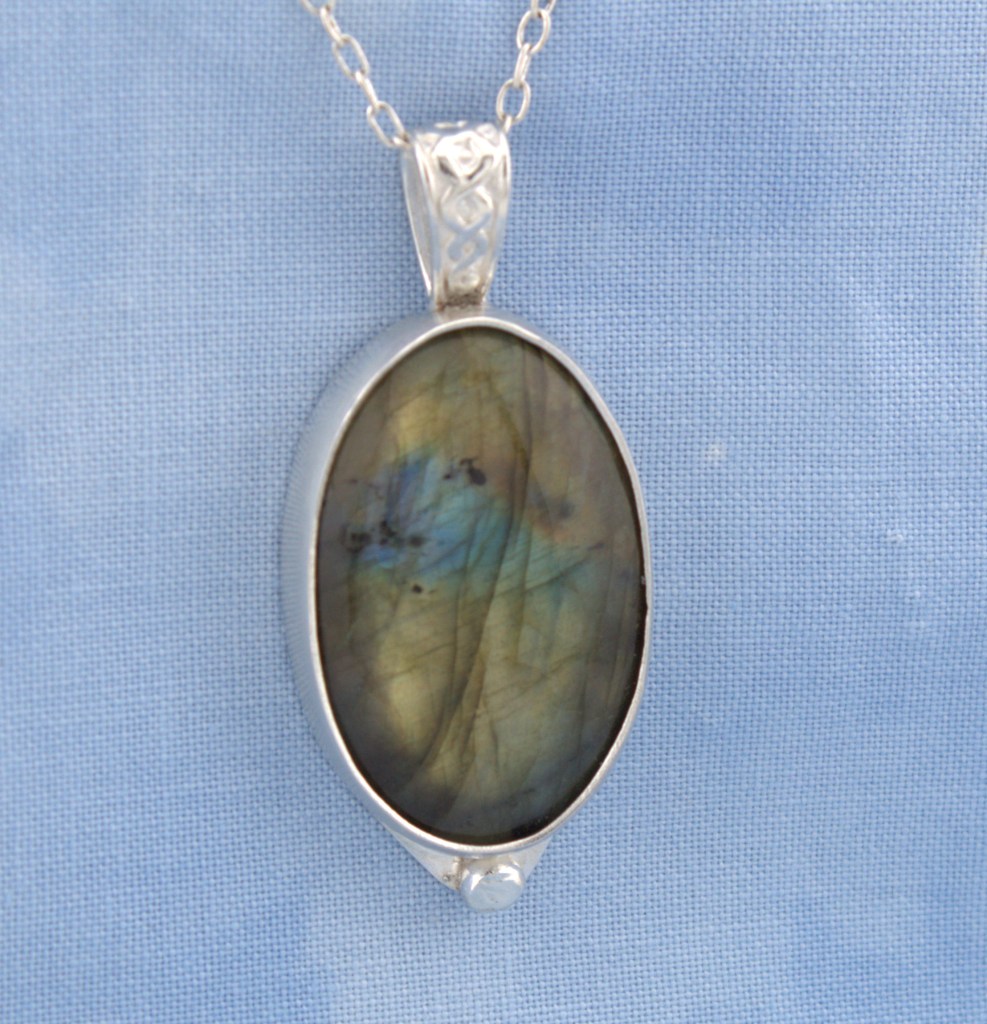
According to an Inuit legend, the Northern Lights were once imprisoned in the rocks along the coast of Labrador, and then a wandering Inuit warrior found them and freed most of the lights with a mighty blow of his spear. It was first discovered in 1770 on the Isle of Paul, near the town of Nain in Labrador, Canada. The local Inuit people were already familiar with the stone, using it in various tools and ornamental items. However, it was the Moravian missionaries who first documented and named the mineral, recognizing its unique and beautiful iridescence. The name is derived from the Labrador region, cementing its connection to this rugged and remote area. Set in Sterling Silver.
Decatur Area Arts Council and Gallery 510 invite you to Arts in Central Park in downtown Decatur’s beautiful Central Park on Saturday and Sunday, September 20 and 21, 2025. More than 60 booths will be open with artists from throughout the Midwest exhibiting a variety of artwork for sale, including jewelry, pottery, metal sculptures, glass, fiber arts, paintings, and more.
This annual event, set in the picturesque Central Park in downtown Decatur, brings together over 60 artists from across the Midwest, showcasing an array of artwork for sale, including jewelry, pottery, metal sculptures, glass, fiber arts, paintings, and more.
Throughout the weekend, enjoy live music, delicious food and drinks available for purchase, and a variety of new activities. Children can unleash their creativity at the kids’ art activities, which begin at 11 AM on both Saturday and Sunday, or explore the Kids ArtShop located inside the Transfer House, where young ones 12 and under can purchase their very own pieces of art.
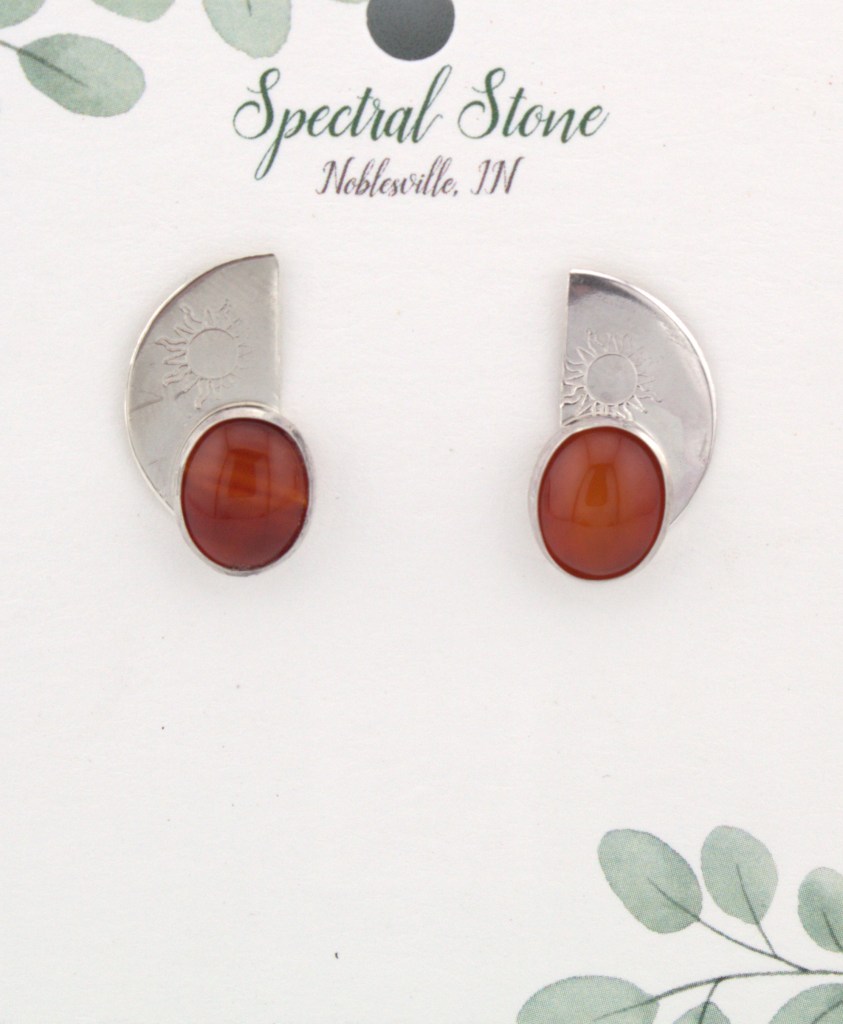
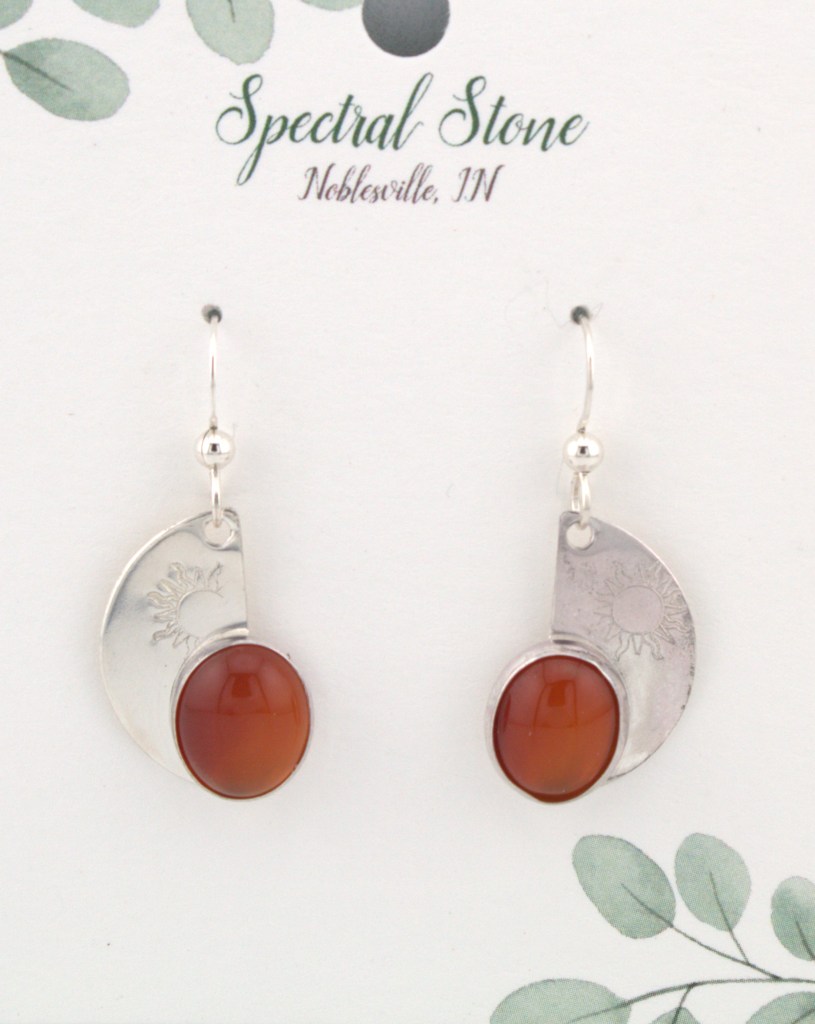
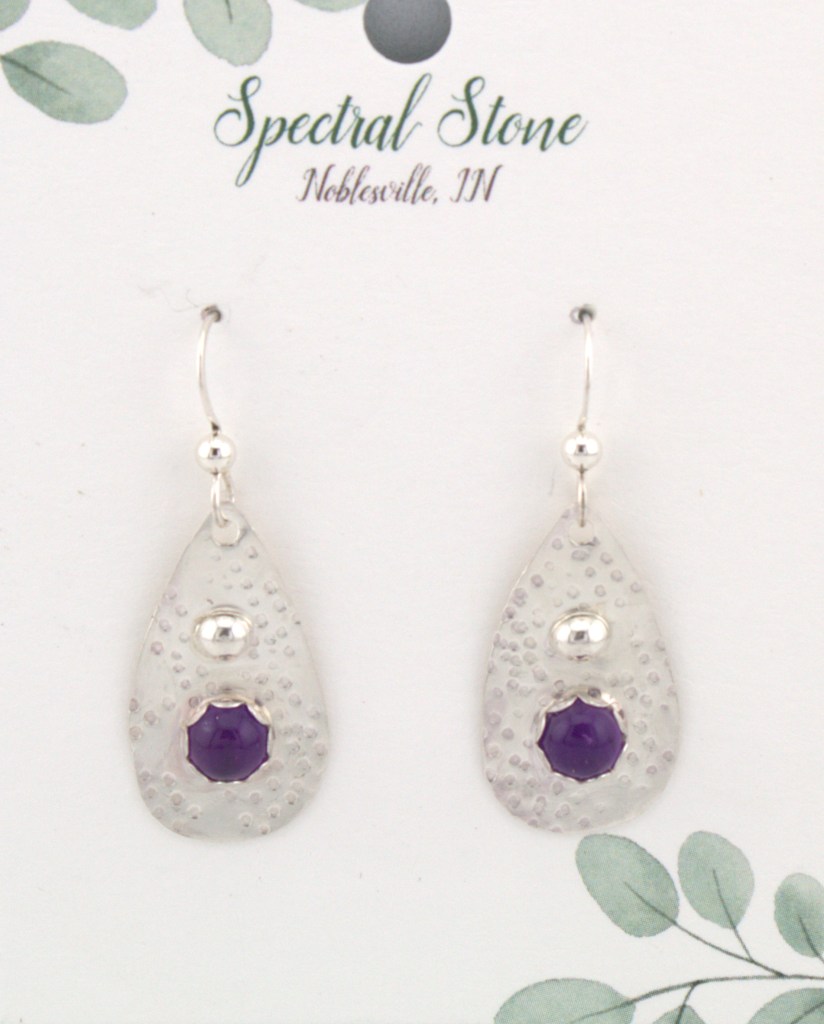
New earrings in Turquoise, Amethyst, Carnelian and Lapis Lazuli. Set in Sterling silver on post or ear wires.
Amethyst
Amethyst’s history spans from the Ancient Greeks and Egyptians to the Middle Ages. It is associated with royalty, spirituality, and protection from intoxication. For millennia, it was a precious stone, reserved for the wealthy and clergy. This lasted until large deposits were found in 19th-century Brazil, making it more accessible. Its enduring popularity stems from its rich purple color and symbolism. It symbolizes mental clarity and royalty. Furthermore, its historical use in religious and protective amulets adds to its significance.
Turquoise
Turquoise history spans at least 7,500 years, with significant cultural use in ancient Egypt, Persia, and the Southwest United States. It was valued for its protective qualities and its association with the sky. The gemstone’s name derives from the French word for “Turkish stone.” This refers to its 13th-century introduction to Europe via Turkish traders. However, it was originally sourced from Persia (Iran) and the Sinai Peninsula.
Carnelian
Carnelian, a vibrant orange variety of chalcedony, has a rich history dating back to the Bronze Age. It was used by ancient cultures like the Egyptians, Sumerians, Greeks, and Romans. It was mainly used for protective amulets, symbolic seals, and status. Believed to grant courage, it promotes spiritual growth and ensures safe passage into the afterlife. Carnelian was a popular gemstone in the Indus Valley Civilization and the Roman Empire. It was even included in ancient religious texts and the High Priest’s breastplate in biblical times.
Lapis Lazuli
Lapis lazuli has a history of over 6,500 years, beginning in ancient Afghanistan and spreading to civilizations like Mesopotamia, Egypt, and the Indus Valley Civilization. These civilizations valued it for its deep blue color and spiritual symbolism. It was used in jewelry and adornments, including King Tut’s funeral mask.
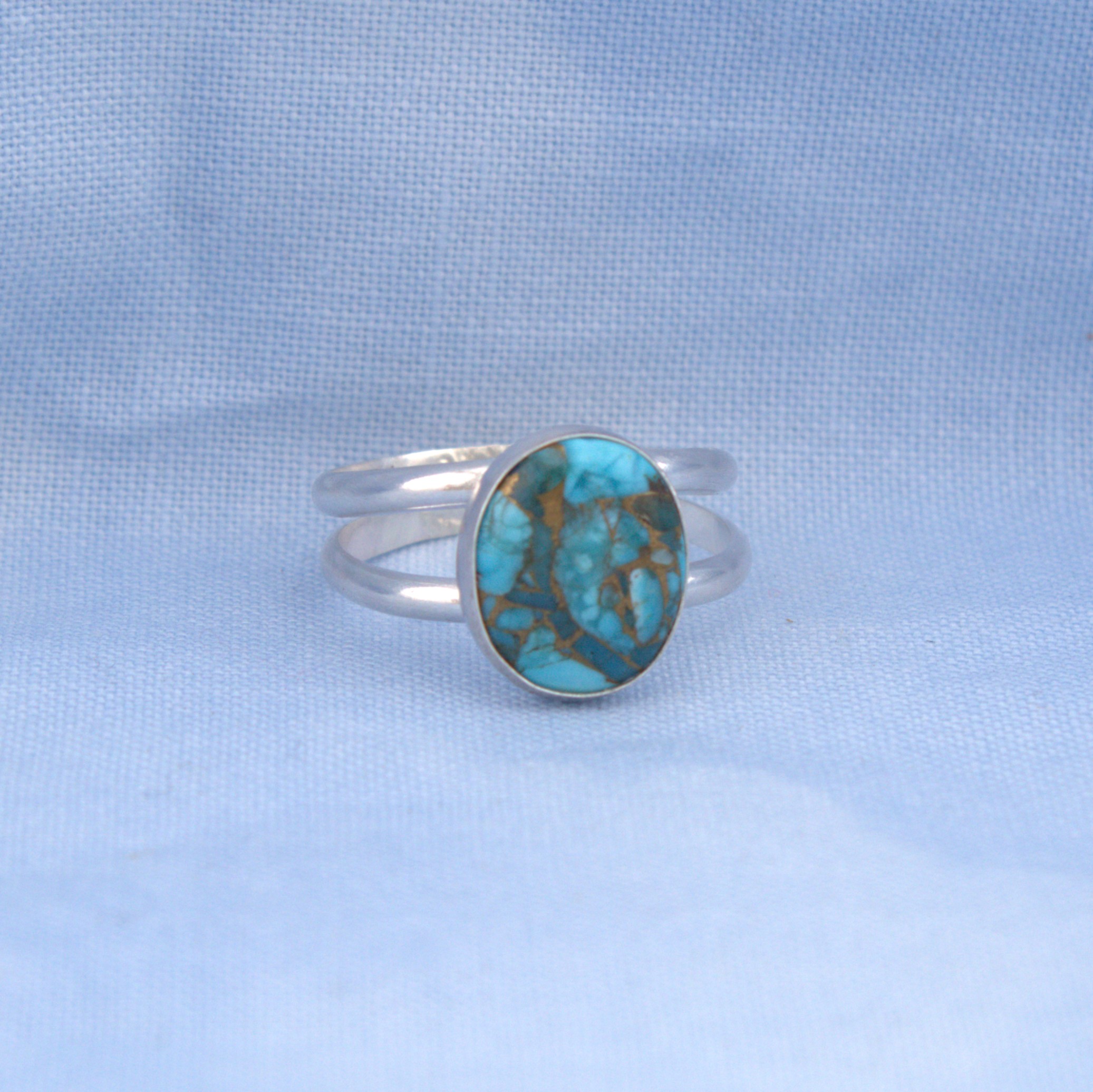
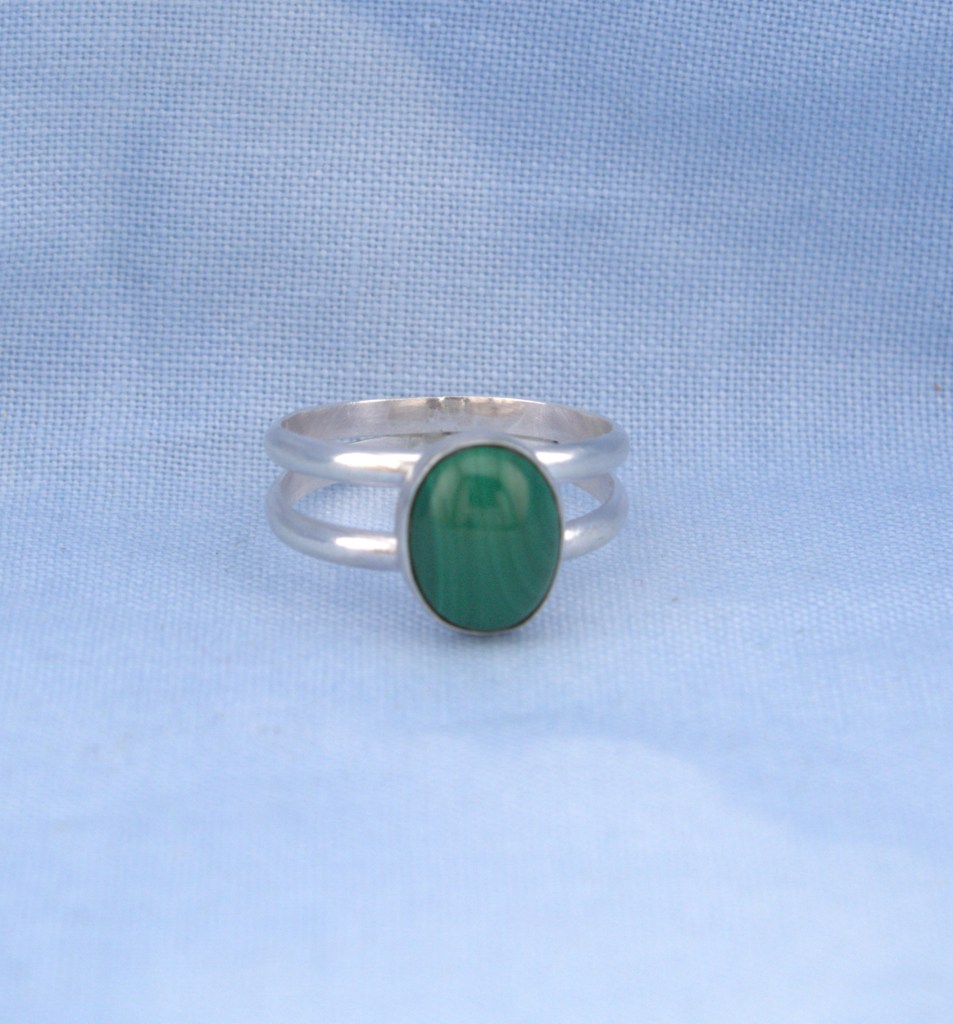
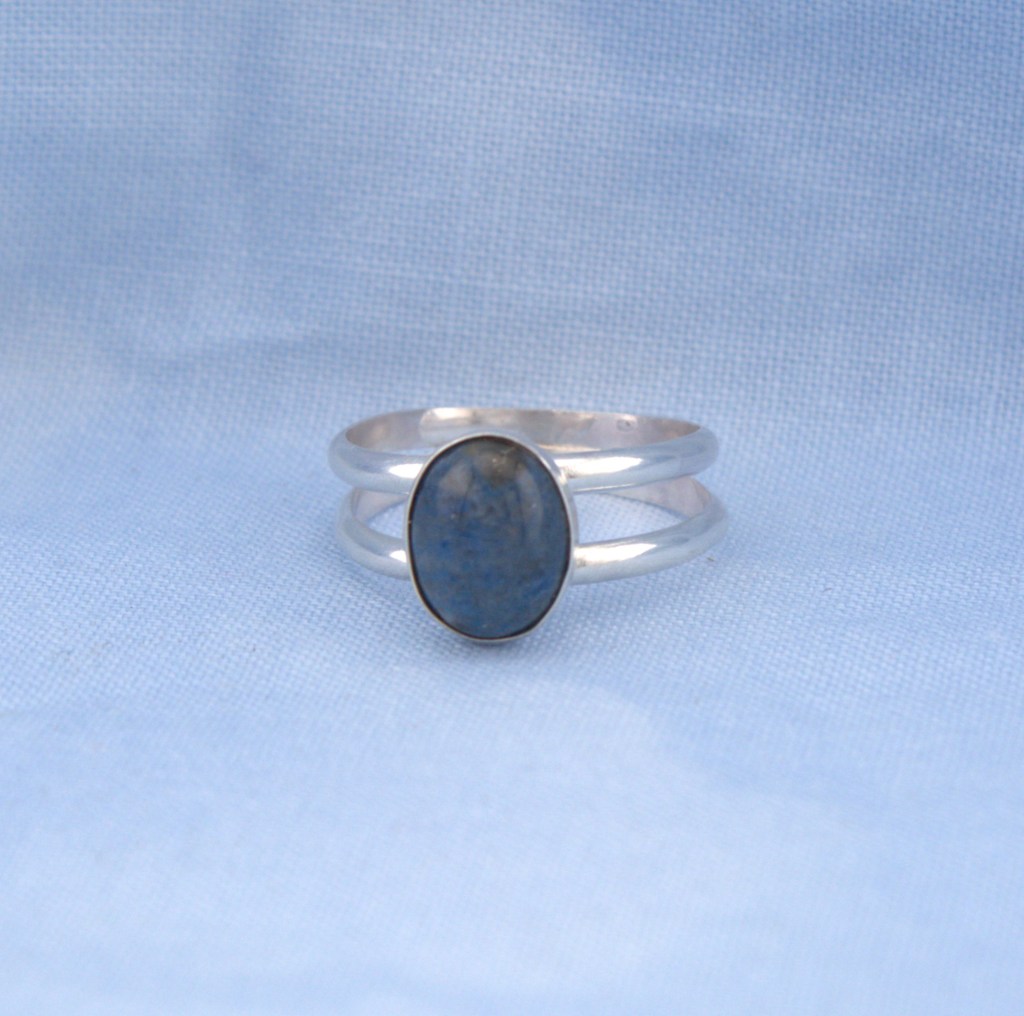
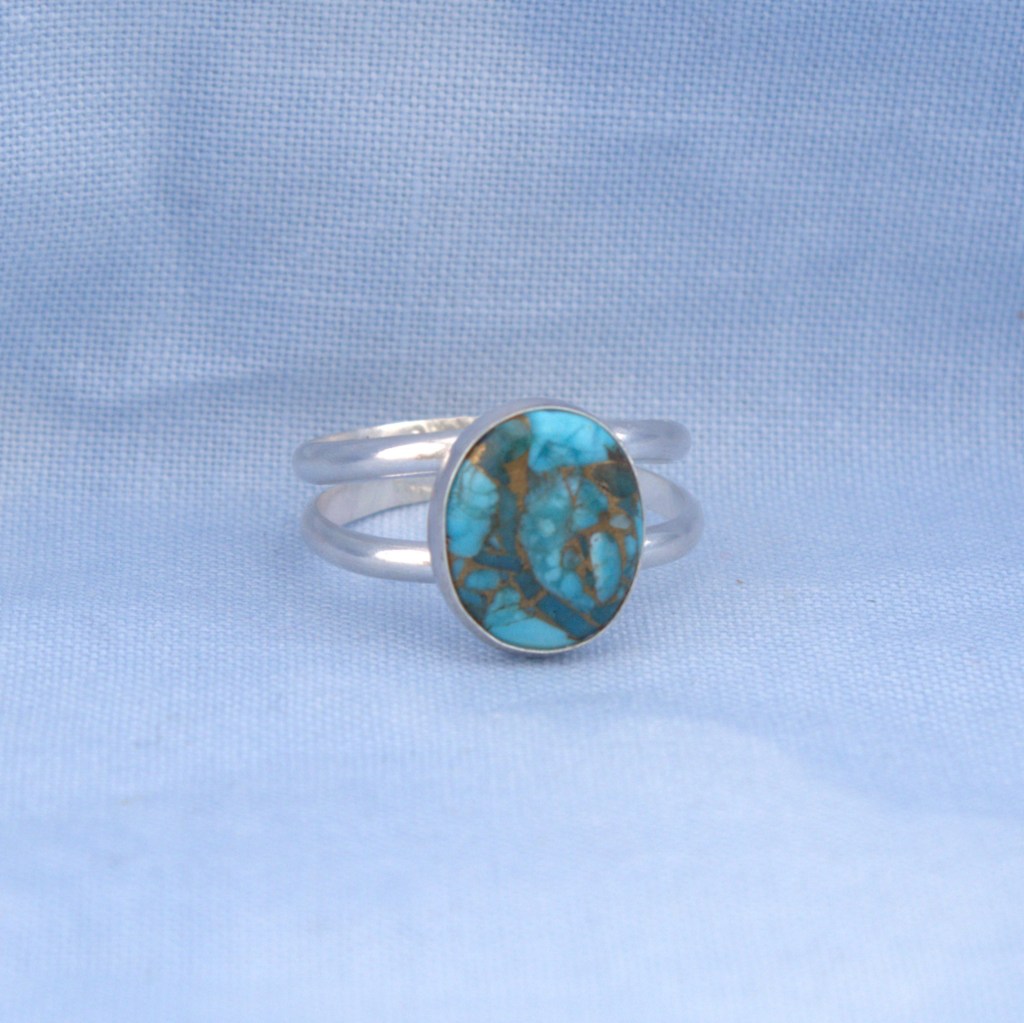
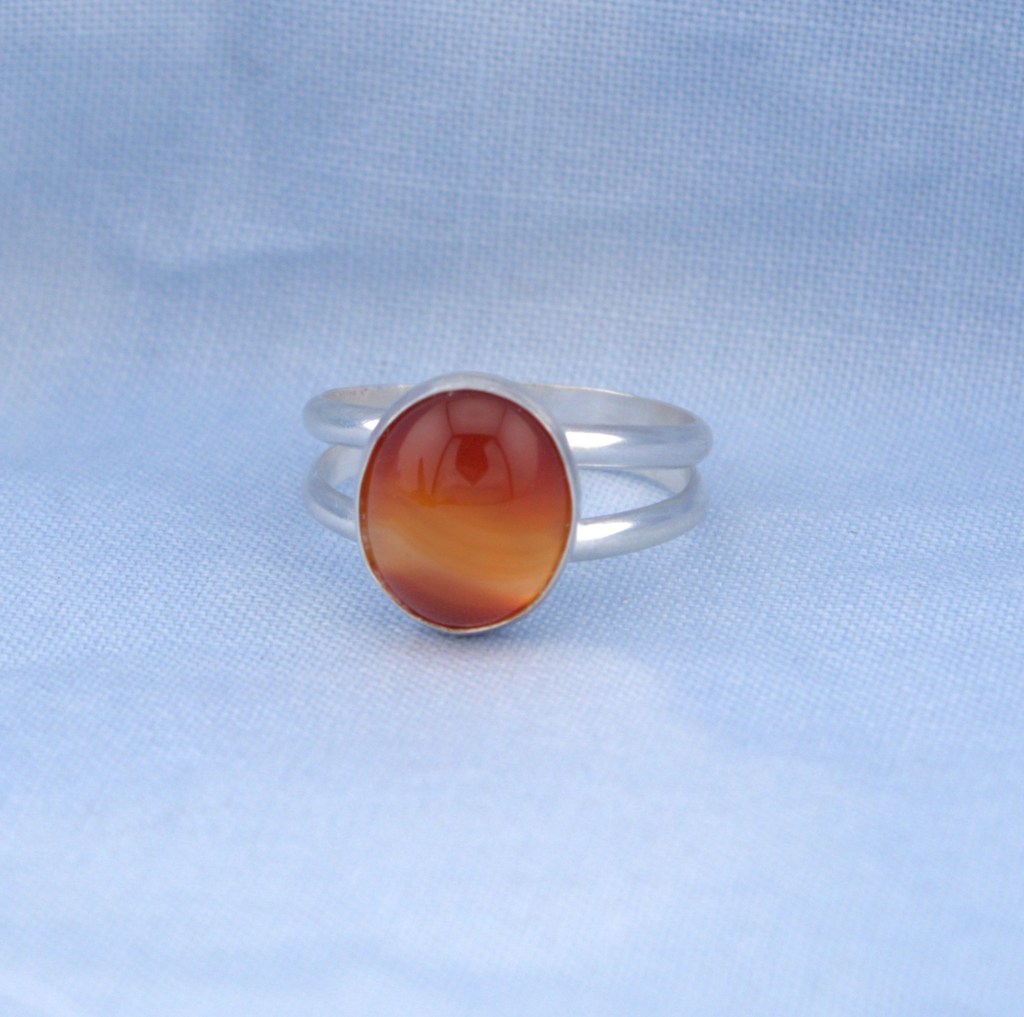
New rings in turquoise, carnelian, lapis lazuli and Malachite. All are set in Sterling Silver. The sizes vary and can be found in the product details.
Turquoise:
Turquoise history spans at least 7,500 years, with significant cultural use in ancient Egypt, Persia, and the Southwest United States. It was valued for its protective qualities and association with the sky. The gemstone’s name derives from the French word for “Turkish stone,” referring to its 13th-century introduction to Europe via Turkish traders. However, it was originally sourced from Persia (Iran) and the Sinai Peninsula. Today, it remains integral to the cultures of Native American communities. It is still mined in the American Southwest, Iran, and China.
Carnelian:
Carnelian, a vibrant orange variety of chalcedony, has a rich history dating back to the Bronze Age. It was used by ancient cultures like the Egyptians, Sumerians, Greeks, and Romans for protective amulets, symbolic seals, and status. Believed to grant courage, promote spiritual growth, and ensure safe passage into the afterlife, carnelian was a popular gemstone in the Indus Valley Civilization and the Roman Empire. It was even included in ancient religious texts and the High Priest’s breastplate in biblical times.
Lapis Lazuli:
Lapis lazuli has a history of over 6,500 years, beginning in ancient Afghanistan. It spread to civilizations like Mesopotamia, Egypt, and the Indus Valley Civilization. These civilizations valued it for its deep blue color, spiritual symbolism, and use in jewelry and adornments, including King Tut’s funeral mask. It was also used by ancient artists to create the precious ultramarine pigment. It was a revered stone in various cultures for its association with royalty, power, and divine connection.
Malachite:
Malachite has been used for millennia as a pigment, sculptural material, and gemstone. Its use dates back to at least 4000 BC in ancient Egypt, where it symbolized life and was used for eye paint and burial rituals. The Greek word “molochitus”, meaning mallow, is the origin of its name. Historically, it served as the first known green pigment. It was the first ore used to smelt copper metal, which was vital for early copper extraction.
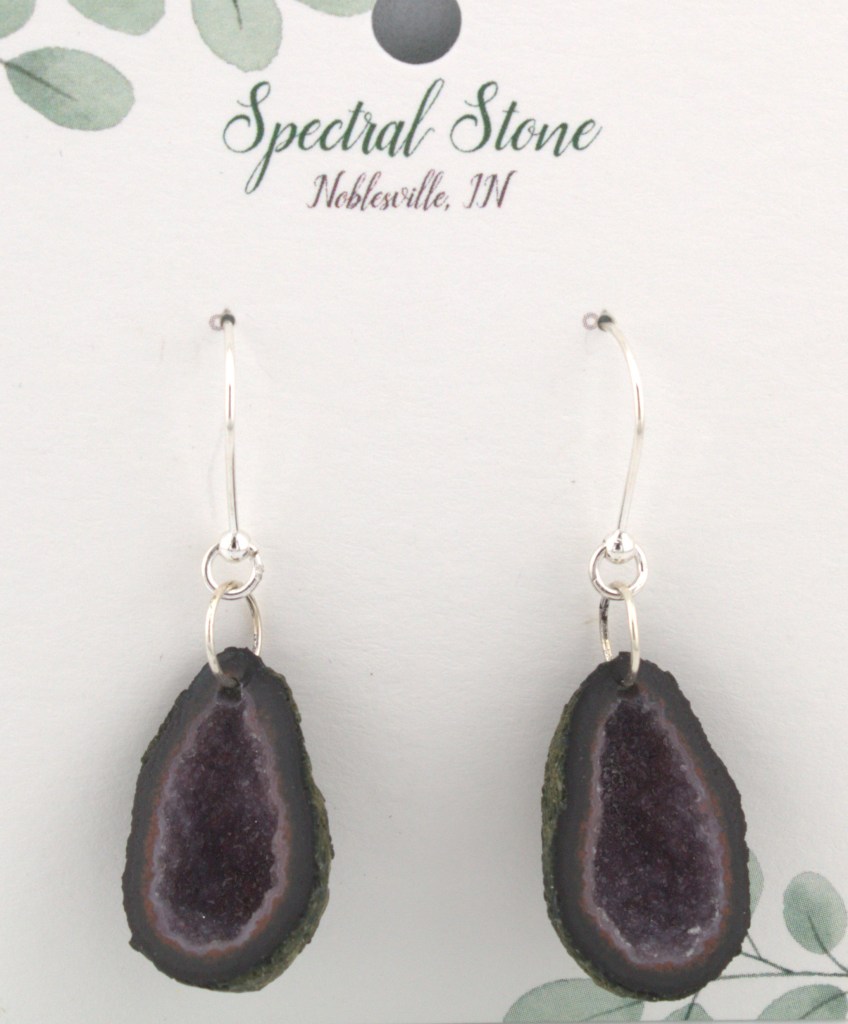
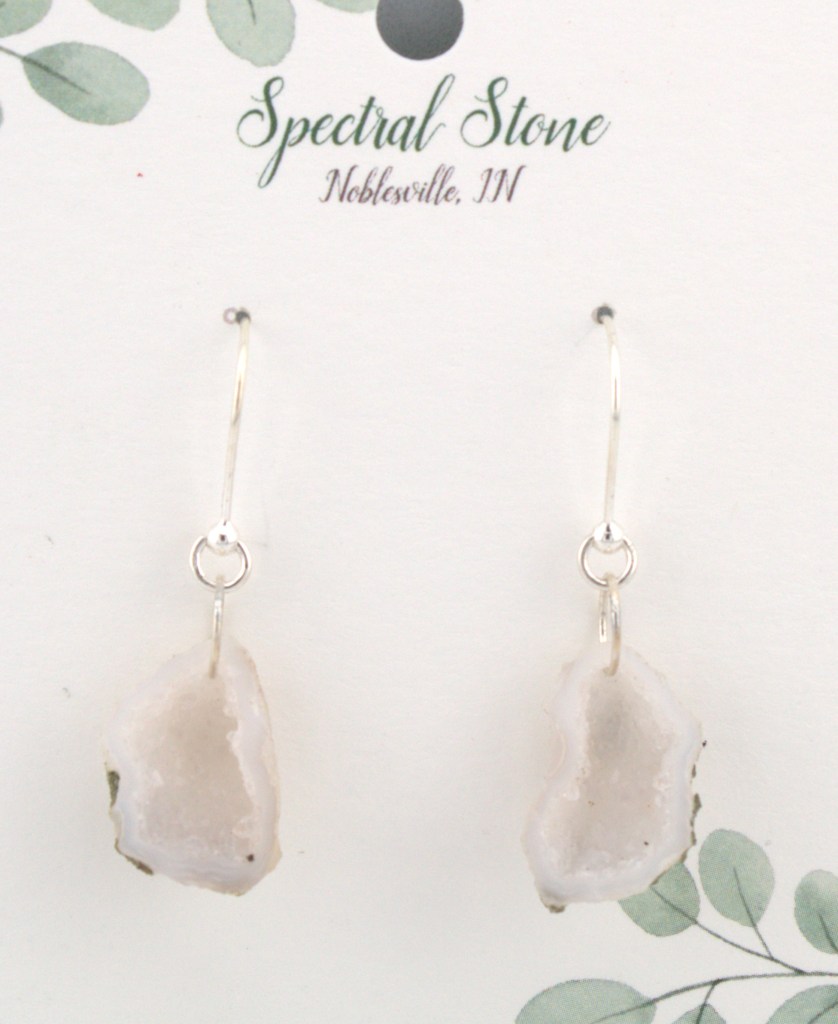
Tabasco Geodes are the world’s smallest geode formation. They’re found near the town of Tabasco, southwest of Zacatecas, Mexico. Set in Sterling Silver.
Geodes are stones with a secret–at first glance, they seem like nothing more than the grey rocks you might see on walk around your neighborhood. Then–crack!–once they’re broken open, they reveal their inner beauty: a tiny cave filled with some of the world’s most spectacular, colorful crystals.
Geodes are formed when there are pockets of air within rocks. This often happens after volcanic eruptions when lava cools around air bubbles. These pockets leave space for groundwater to seep in. But the water itself doesn’t produce geodes–it brings along minerals which stay in the rock even after the water evaporates. The minerals then start to build on each other to form crystals. It can take thousands or even millions of years for these crystals to form. The larger the crystals are, the older the geode is.
The same minerals that form crystals can give them their glorious colors. Additional elements can also make their way into the mix and provide their own unique shades. Iron will give crystals a red or purple color, titanium will create blue, nickel or chromium leads to green, and manganese produces pink crystals.
While geodes can be naturally colorful some are artificially dyed. These dyed stones often have a brighter, more intense color than what appears naturally. Why do people dye geodes? Colorful geodes tend to sell well and can be a cheap way to imitate rare stones.