

New Labradorite Pendants and Rings!
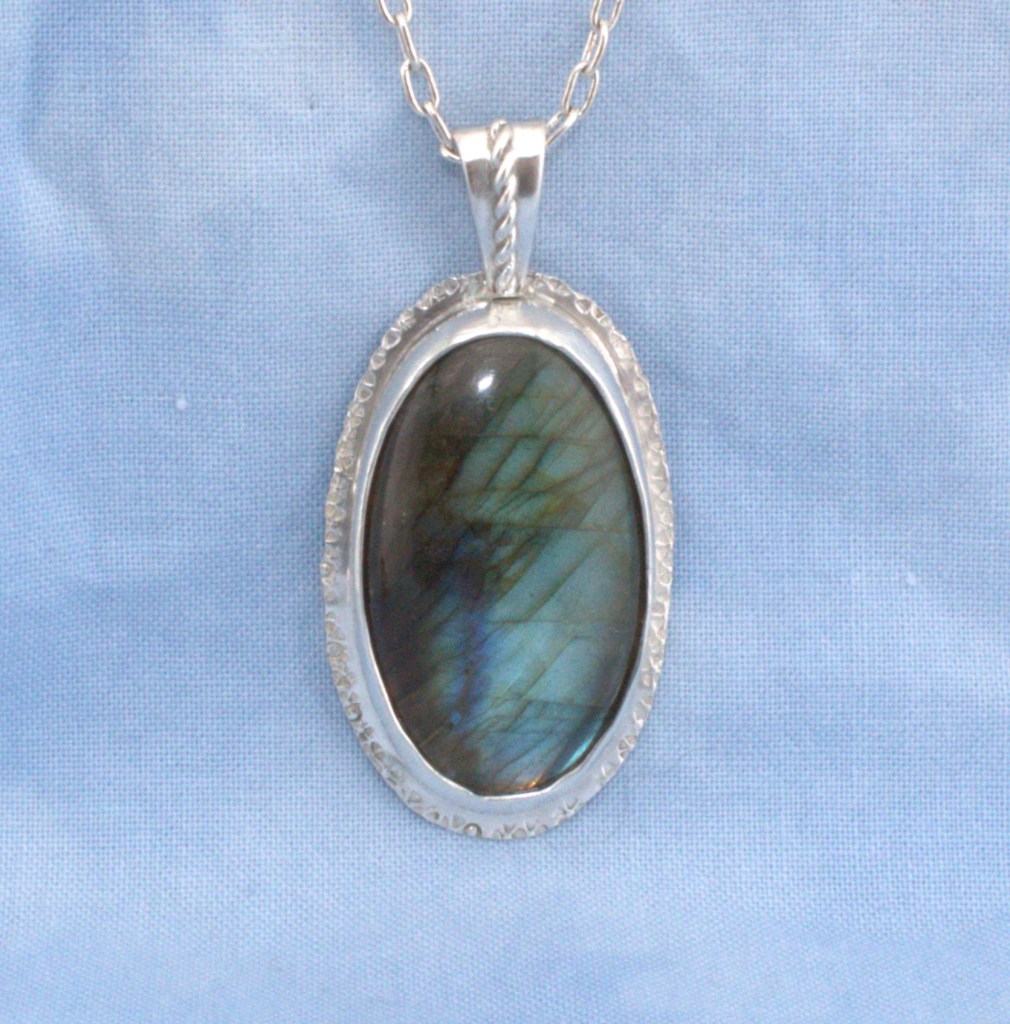
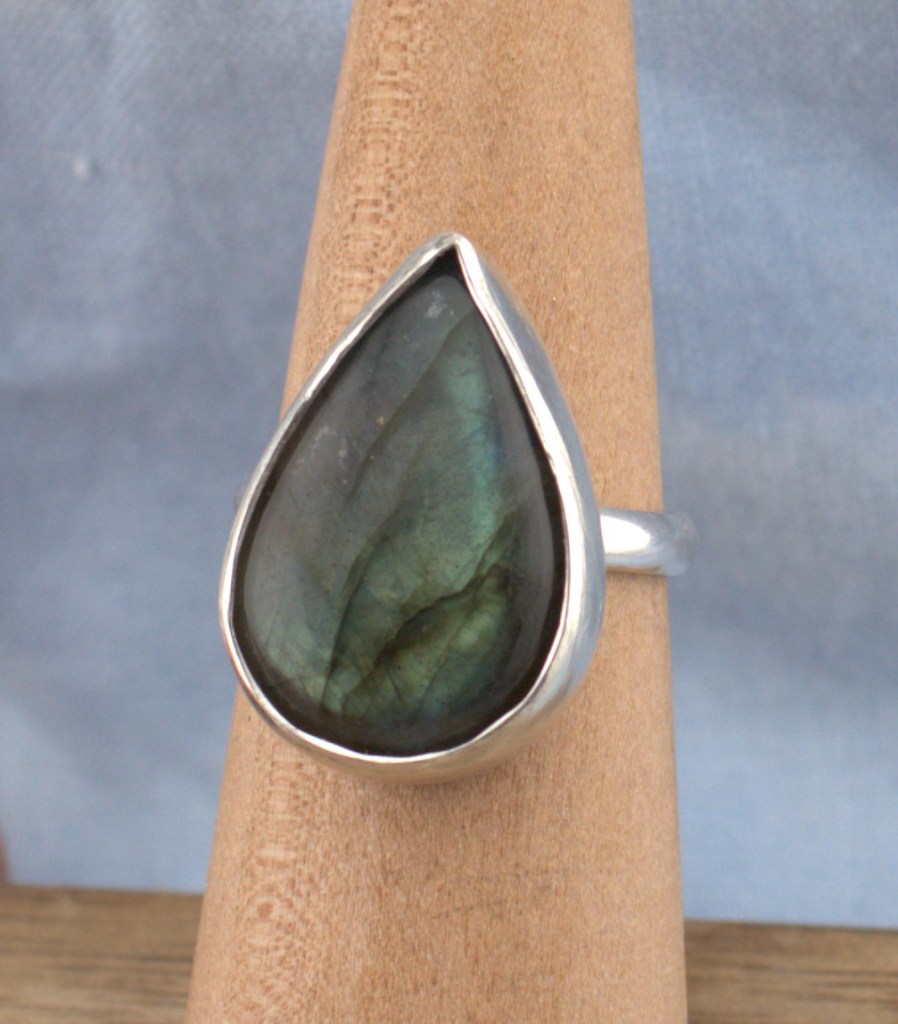
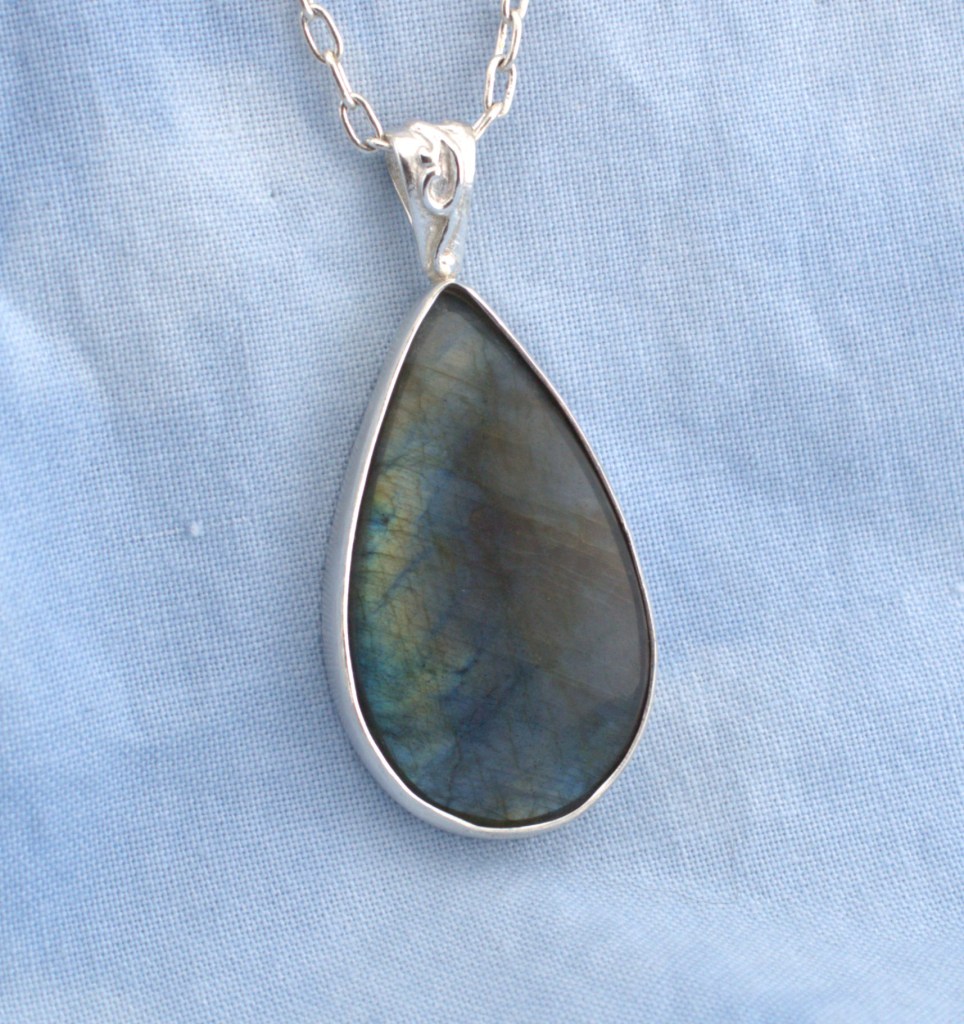

The Native American Innu referred to Labradorite as the ‘fire stone’ because of its resemblance to the Northern Lights.
Labradorite was officially discovered in 1770 on Paul’s Island near Nain in Labrador, Canada, by Moravian missionaries, though local Inuit peoples had long used and known the stone.
Discovery and Naming
- 1770 Discovery: Found on Paul’s Island in the Labrador region of Canada.
- Origin of Name: Named after the region of Labrador.
- Labradorescence: The optical phenomenon of colorful light flashes was later scientifically defined as labradorescence.
Cultural Lore and Legends
- Inuit Beliefs: Legend says the Northern Lights (Aurora Borealis) were trapped inside the rocks along the coast until an Inuit warrior shattered them with a spear, freeing most lights but leaving some trapped inside the labradorite.
- Historical Use: Long before European documentation, Inuit communities utilized the stone for tools and decorative items
Popularity in Jewelry
- 18th & 19th Century: Gained popularity in France and England for high-end jewelry and ornamental carvings.
- Modern Era: Continues to be prized globally as a semi-precious stone sourced heavily from Canada, Madagascar, and Finland
The History and Origins of Labradorite Crystals | Crystals Online