
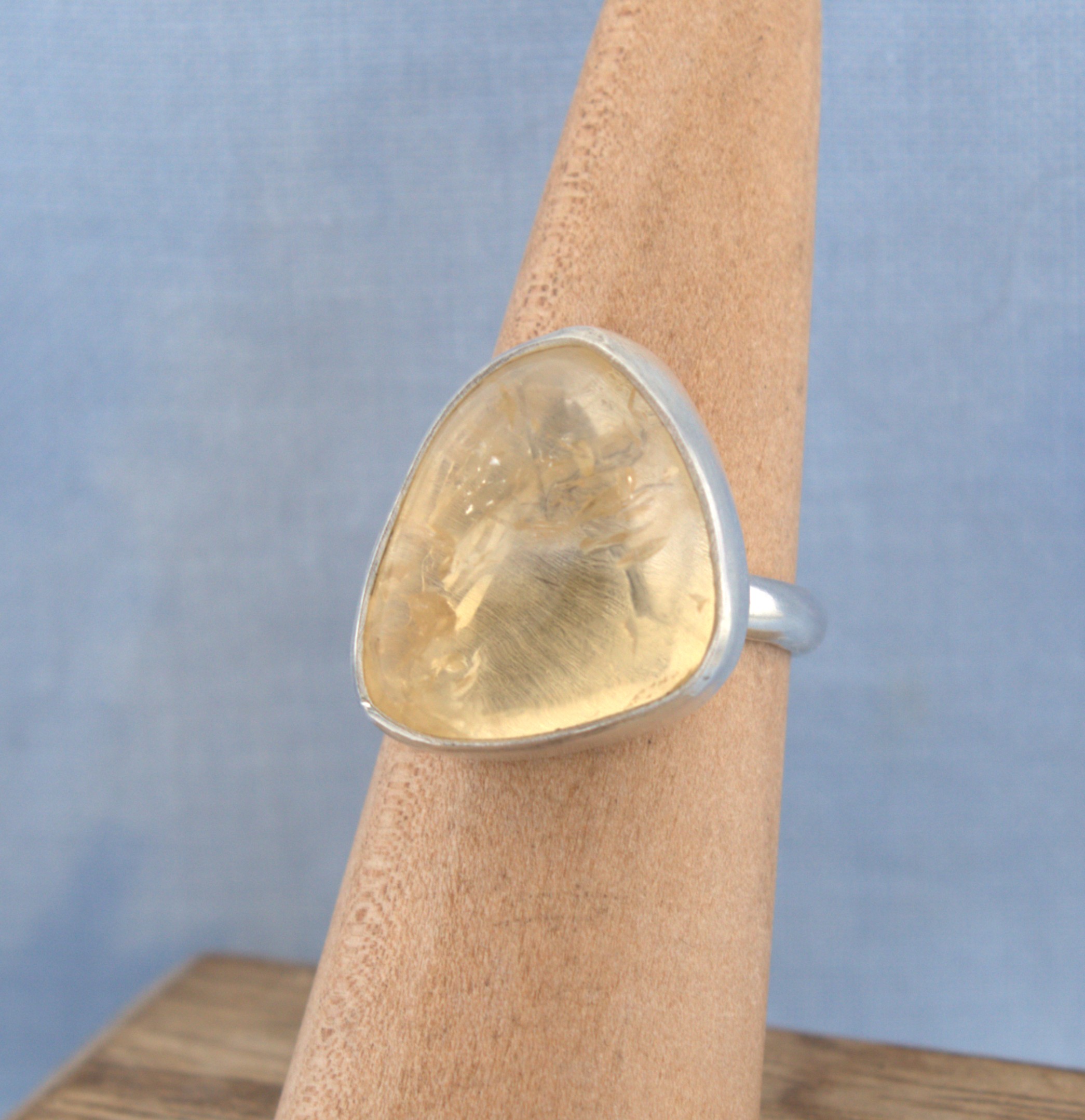
New Citrine pendants and ring in Sterling Silver.
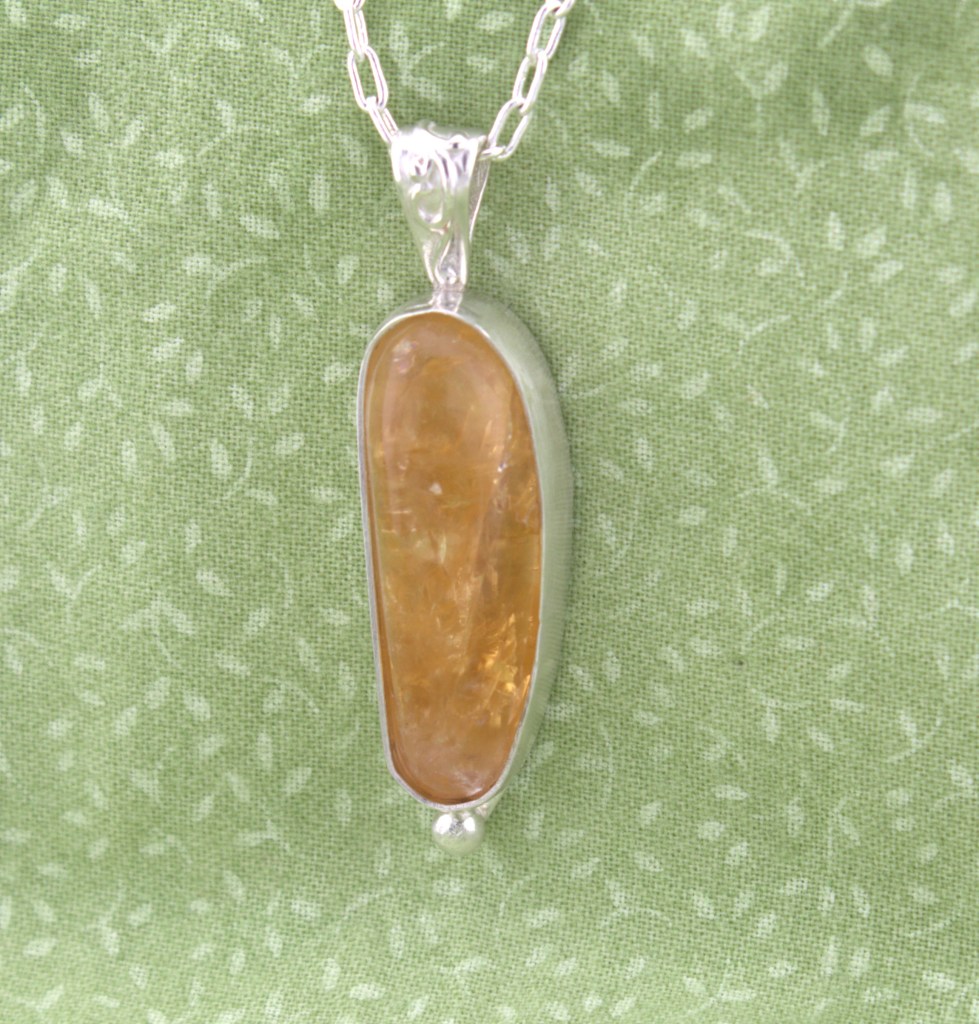

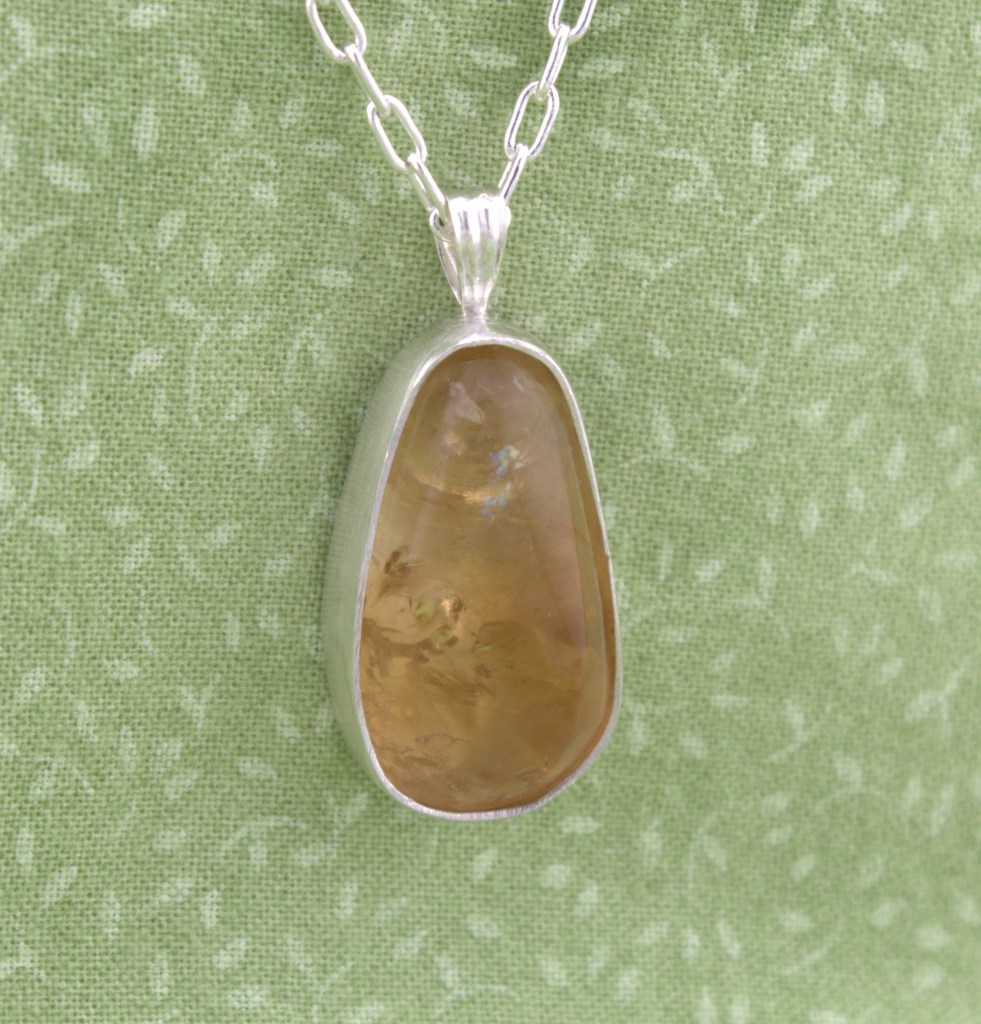
Citrine’s history spans ancient times to the present, with early use by the Ancient Greeks and in 17th-century Scotland for decorative purposes on items like sword hilts. The name “citrine” comes from the Latin and French words for yellow or lemon, inspired by its color, and it was mentioned as a “golden stone” in the Old Testament. While natural citrine is a rare find today, most citrine on the market is heat-treated amethyst.
Ancient and early history
- Ancient Greece: The Ancient Greeks used citrine during the Hellenistic period (300–150 B.C.) for decorative gems, believing it held the sun’s power, says Mark Schneider Fine Jewelry.
- Ancient texts: The stone was known in ancient times and was likely referred to in the Old Testament as “chrysolitus,” a Greek word for golden stone, notes BlueStone.
- Name origin: The name “citrine” is derived from the Latin word “citrina” or the French word “citron” (lemon), referring to its yellow and orange hues, according to Wikipedia.