
There are plenty of interesting facts about garnet, primarily because it’s a stone with such a long history. At present, what do most people want to know about garnet? It’s notably affordable in some forms, and it’s extremely rare and expensive in others.
If you’re a geologist, you might care about the chemical composition. Similarly, a gemologist might want to know more about its refractive index. A shopper looking for a gift might want more garnet birthstone facts.
Undoubtedly, these are garnet facts that appealed to me for some reason or another. Moreover, they make for quick conversation pieces if you and your friends find yourself talking about birthstones.
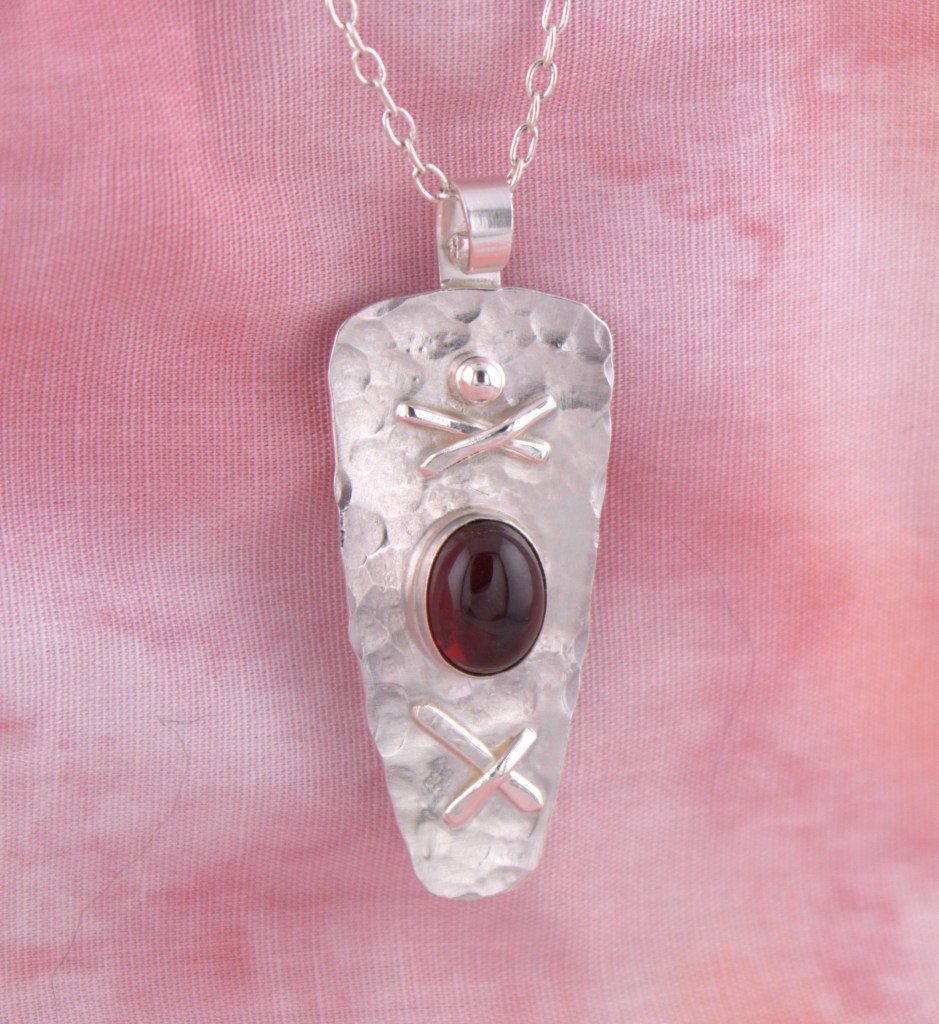
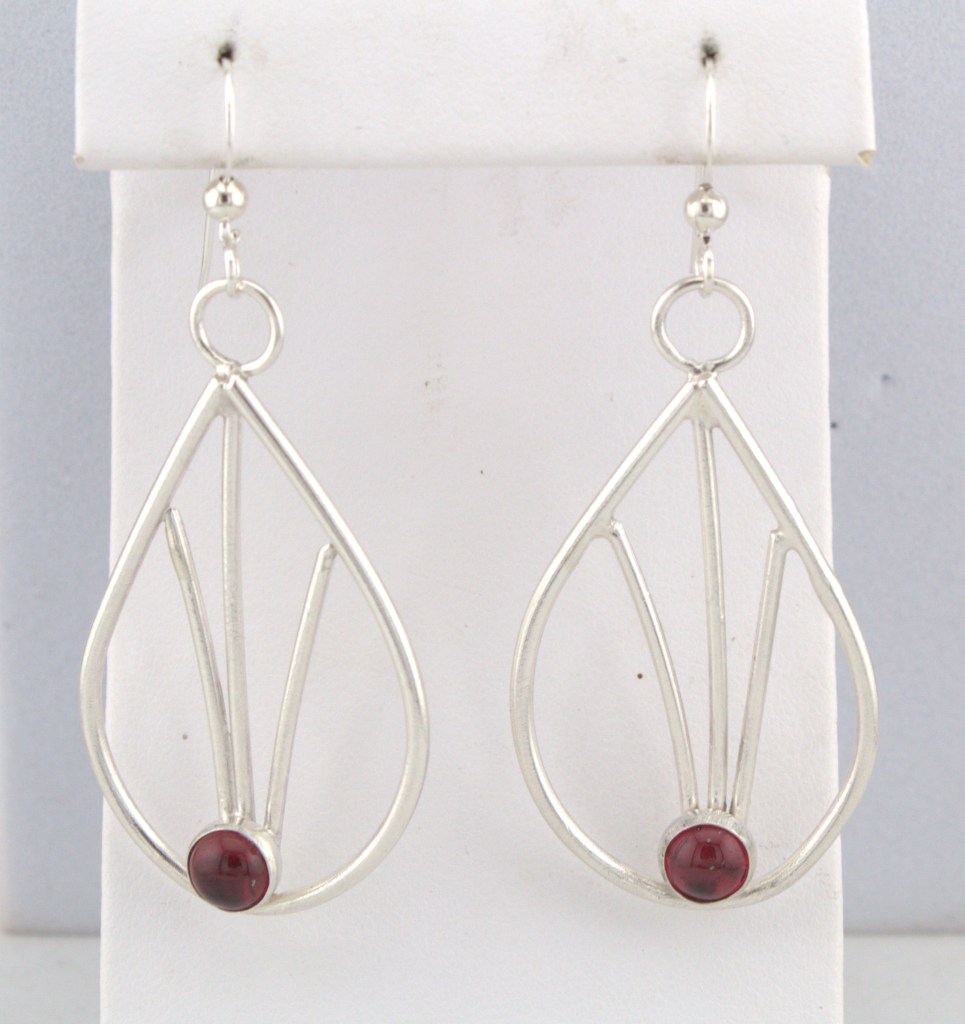
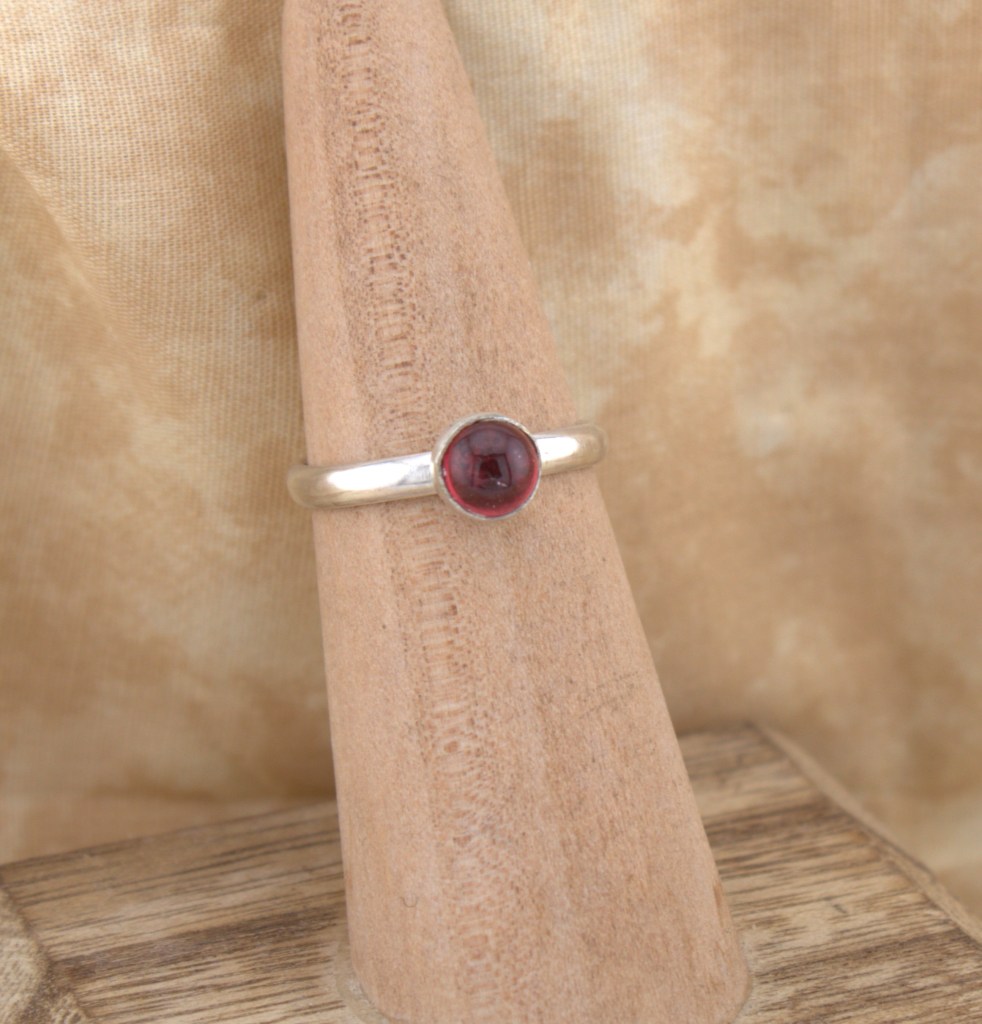
Garnet dates as far back as 3800 BC. The gemstone was discovered in Egyptian art and was thought to be an important symbol of good health. The stone was fashioned into beads for necklaces and used as an inlay for carvings. This gemstone has been the birthstone for the month of January since the 15th century. However, it was added to the modern list of birthstones in 1912 by the National Association of Jewelers.
No gemstone is without its lore. Over the years, garnet has been a symbol of peace, health, and deep friendship. Garnet was also thought to enhance karma. Do good while wearing the stone and more good will be bestowed upon you. Garnet is dervied from the Middle English word, ‘gernet,’ which means dark red. That term came from the Latin word ‘granatum,’ which means seed. Subsequently, the gemstone’s connection to seeds comes from the red seeds inside a pomegranate. If ever there was a time period that prized garnets on a mass scale, it was during the Victorian era. Bohemian garnets from Eastern Europe were fashioned into marvelous cluster pieces. Thus the stone was used in engagement rings, mourning jewelry, and anywhere they could fit it.