Posted on — Leave a comment

Labradorite Pendants and Rings

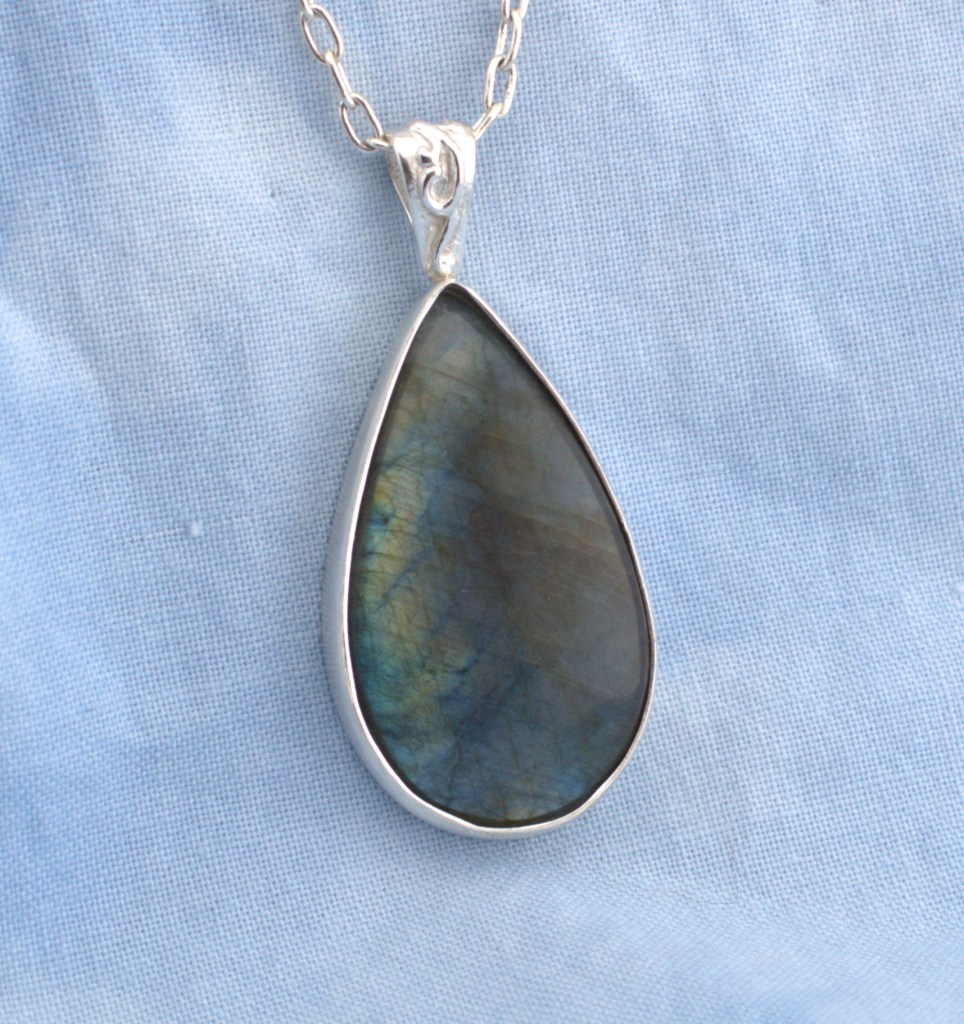
Labradorite

New Labradorite Pendants and Rings!
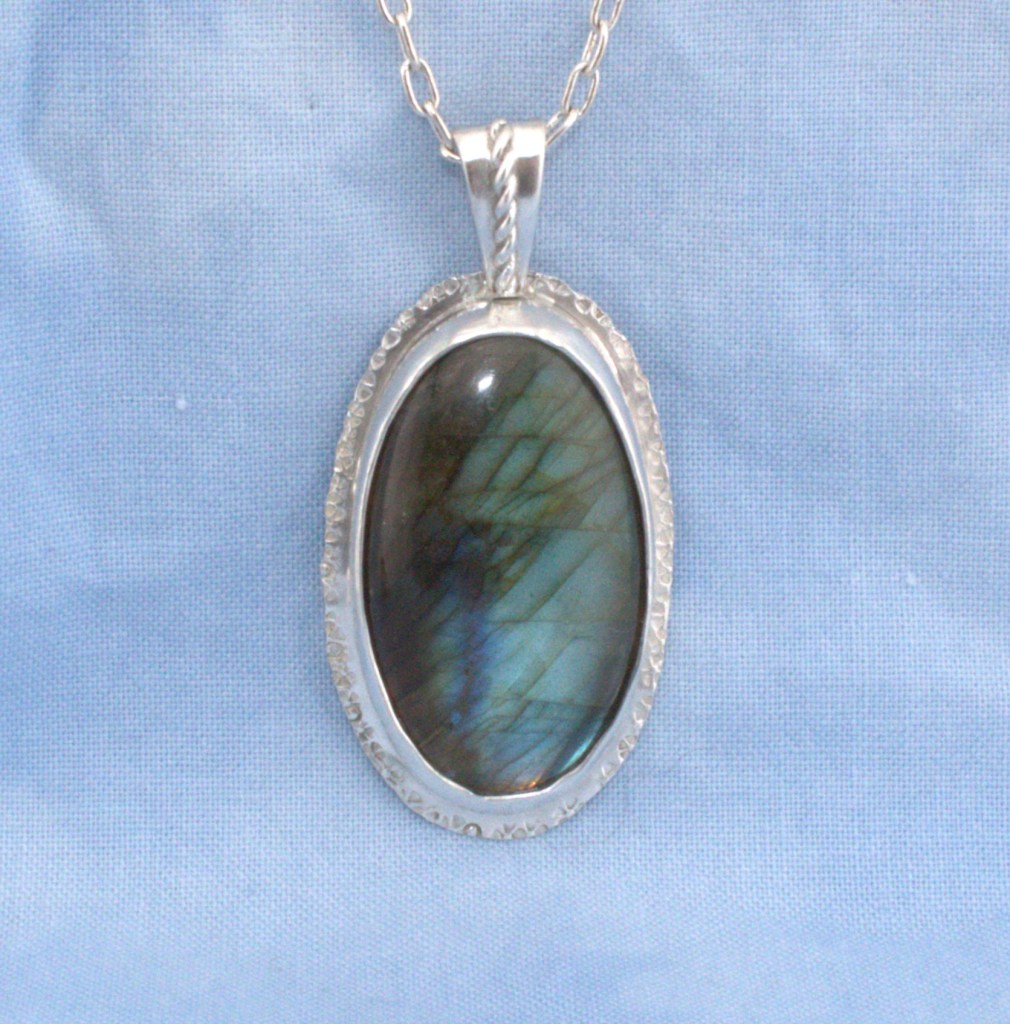
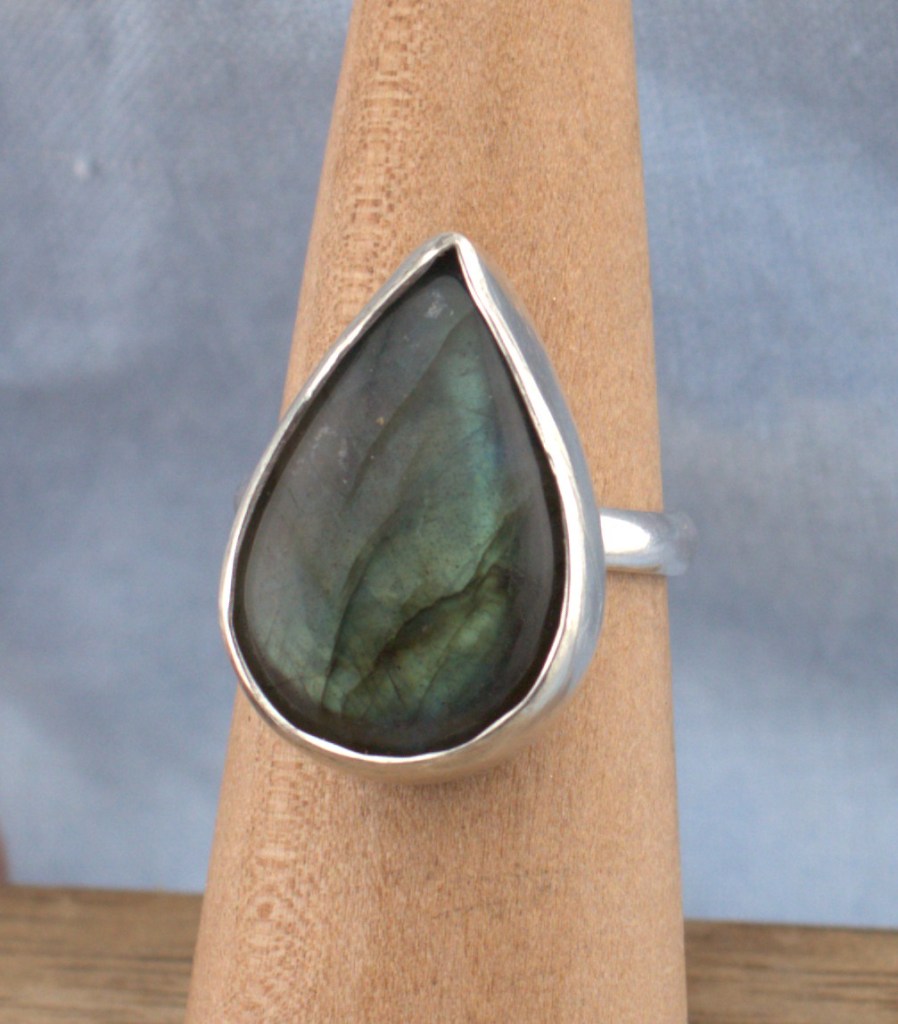
The Native American Innu referred to Labradorite as the ‘fire stone’ because of its resemblance to the Northern Lights.

Labradorite was officially discovered in 1770 on Paul’s Island near Nain in Labrador, Canada, by Moravian missionaries, though local Inuit peoples had long used and known the stone.

Discovery and Naming

  • 1770 Discovery: Found on Paul’s Island in the Labrador region of Canada.
  • Origin of Name: Named after the region of Labrador.
  • Labradorescence: The optical phenomenon of colorful light flashes was later scientifically defined as labradorescence.

Cultural Lore and Legends

  • Inuit Beliefs: Legend says the Northern Lights (Aurora Borealis) were trapped inside the rocks along the coast until an Inuit warrior shattered them with a spear, freeing most lights but leaving some trapped inside the labradorite.
  • Historical Use: Long before European documentation, Inuit communities utilized the stone for tools and decorative items

Popularity in Jewelry

  • 18th & 19th Century: Gained popularity in France and England for high-end jewelry and ornamental carvings.
  • Modern Era: Continues to be prized globally as a semi-precious stone sourced heavily from Canada, Madagascar, and Finland

The History and Origins of Labradorite Crystals | Crystals Online

Posted on — Leave a comment

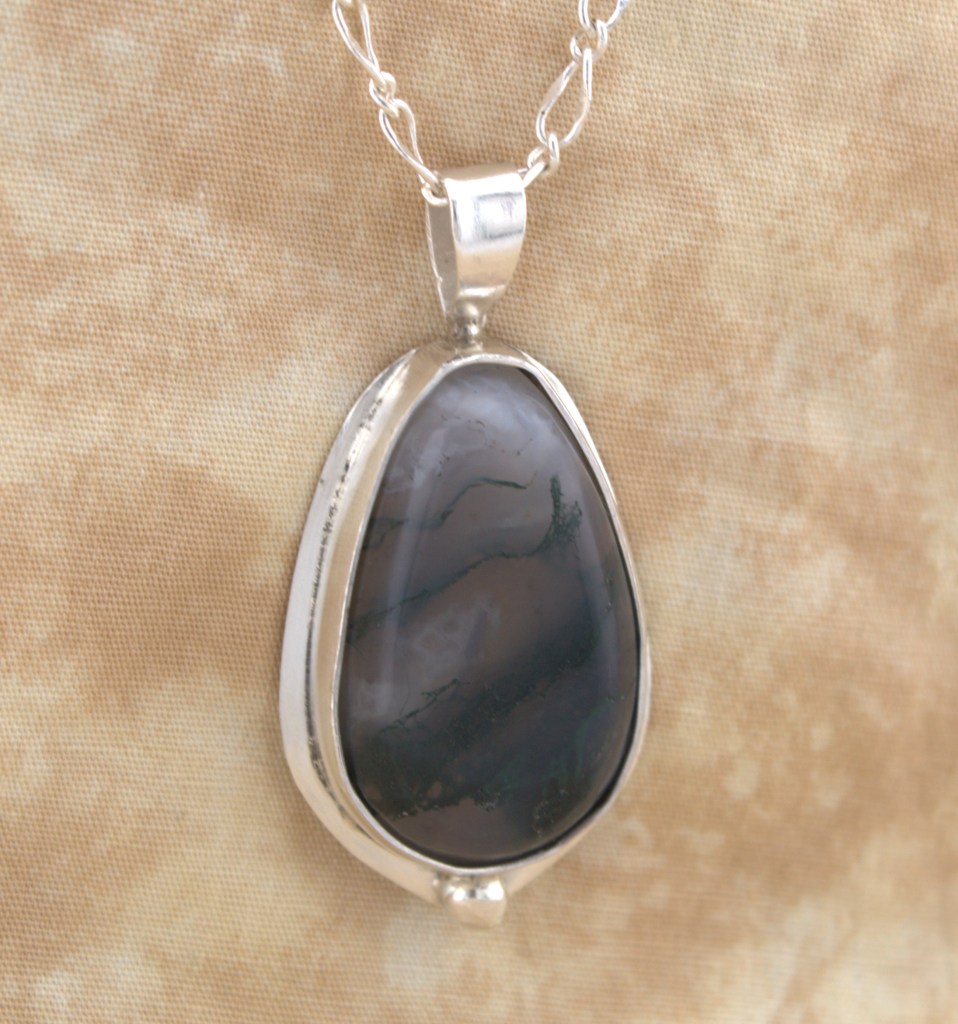
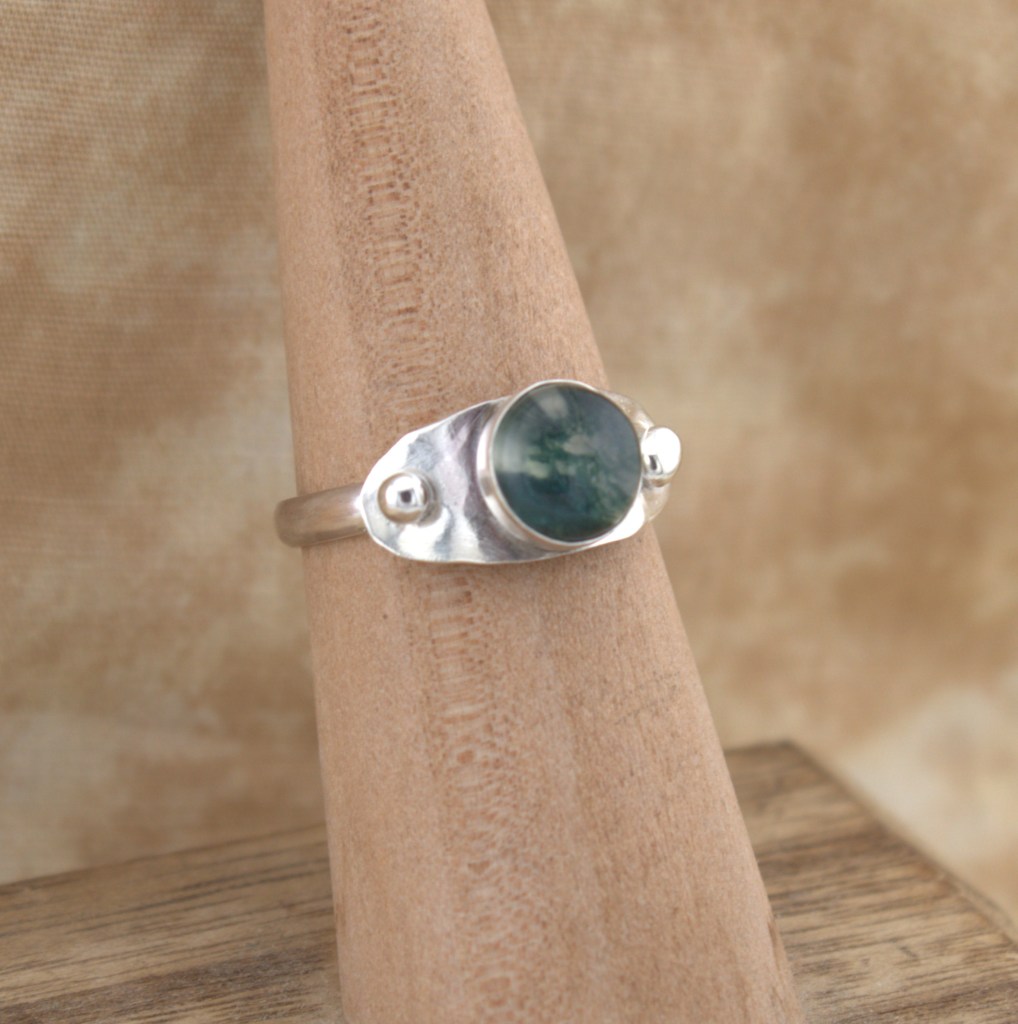
Green Moss Agate

Green Moss Agate

Green moss agate has been cherished for thousands of years, with roots tracing back to ancient Greece and Rome where it was carved into protective amulets and seals

Green moss agate has been cherished for thousands of years, with roots tracing back to ancient Greece and Rome where it was carved into protective amulets and seals. Historically dubbed the “Mocha Stone” due to its primary trade route through the Arabian port of Mocha in Yemen, the gem has long symbolized prosperity, agriculture, and new beginnings

Ancient Rome & Greece: Associated with agricultural deities like Venus, ancient societies used it as an amulet to ensure good crop yields, promote fertility, and bring warriors physical strength.


The Middle Ages: Throughout medieval Europe, it was known as the “Stone of Gardeners” and farmers, carried to ensure bountiful harvests and protect domestic animals.


Native American Traditions: Indigenous tribes utilized moss agate as a powerful talisman for prosperity, weather magic, and fostering harmony with the earth

Green Agate: History, Virtues, Benefits and Significance

Posted on — Leave a comment

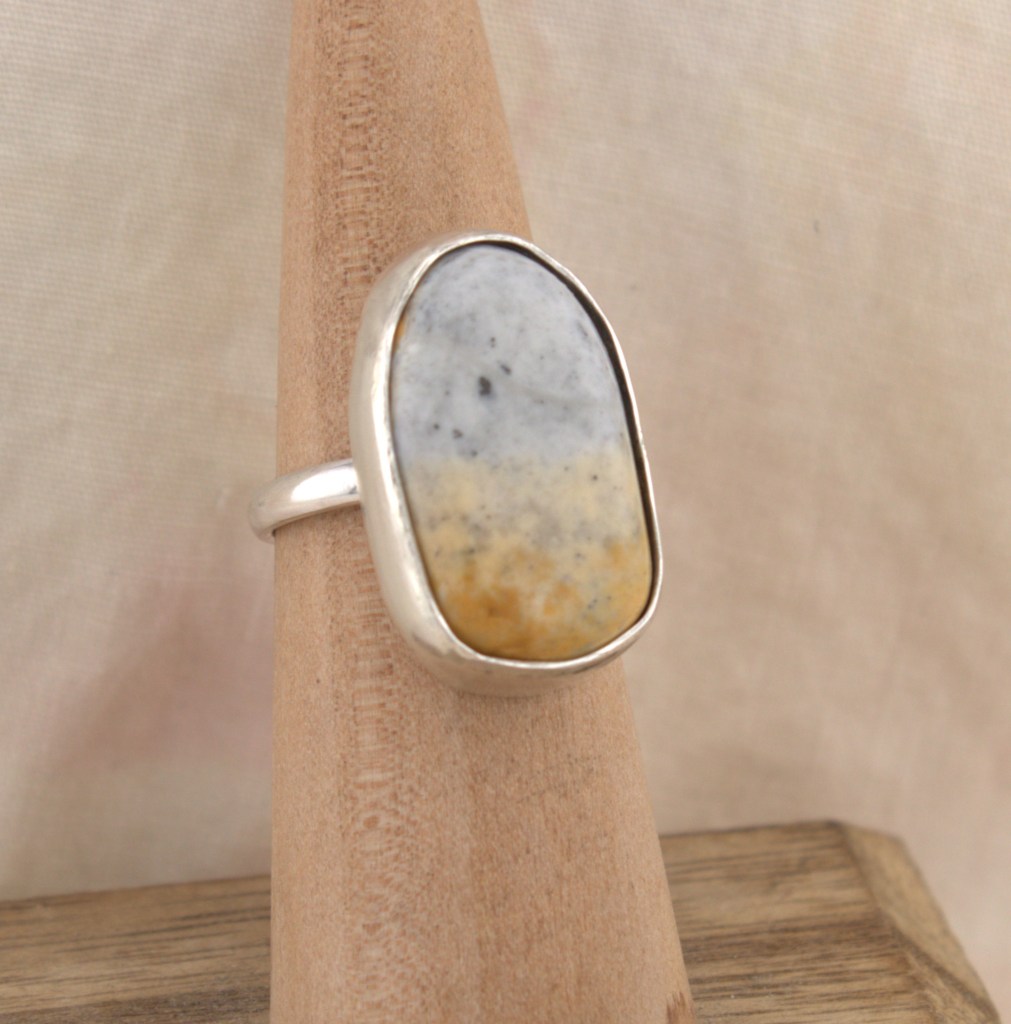
Maligano Jasper

Maligano Jasper

Maligano Jasper is a rare, recently discovered brecciated jasper found exclusively in Sulawesi, Indonesia. It is celebrated for its intricate mosaic patterns. These combine earthy hues like yellow, orange, and red with cool grays and silvers. Often, agate and dendritic formations appear, resembling miniature landscapes.

Maligano Jasper was discovered around 2010 to 2012 near a small village of the same name on the Indonesian island of Sulawesi. It formed in ancient volcanic hot spring areas. In these places, mineral-rich waters seeped into fractured volcanic rock to cement the mosaic-like fragments together.

Color Palette: Features a stunning mix of warm golds, rusty oranges, and reds layered against contrasting cool blues, grays, and creams.
Brecciation: The stone is heavily fractured and “healed” over time, creating a natural mosaic or canyon-like look.
Hardness: Measures between 6.5 and 7 on the Mohs hardness scale, making it highly durable for lapidary work, polishing, and jewelry.
Dendrites: Many pieces feature fern-like or branch-like mineral patterns (dendrites) that add depth and visual texture

Maligano Jasper Meanings and Crystal Properties – The Crystal Council

Posted on — Leave a comment

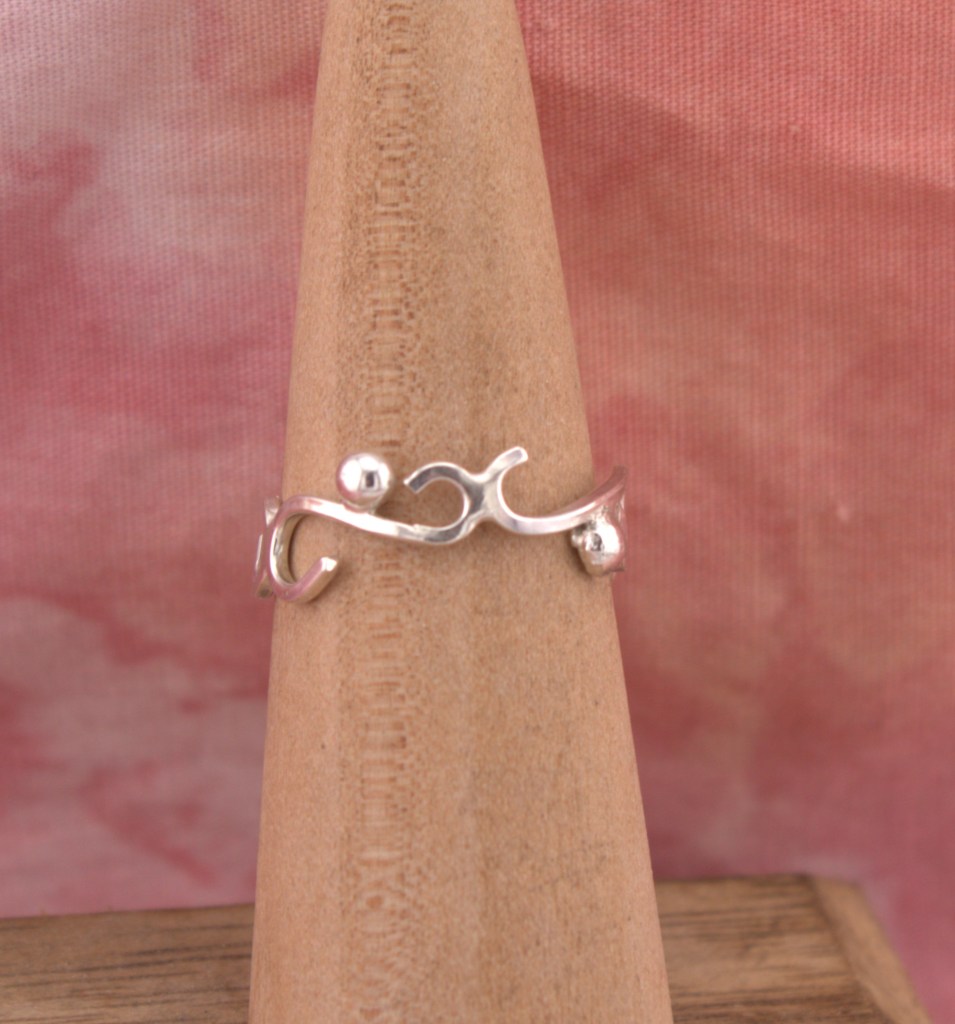
Stackable Sterling Silver Rings

Sterling Silver ring

Stackable Sterling Silver rings! Sterling silver originated in 12th-century England when silversmiths began alloying pure silver with copper to improve its durability. In 1300, King Edward I legally enshrined the 925 standard (92.5% silver and 7.5% copper) to regulate coinage and wares, a formulation still used today

Pure silver (often called fine silver, or 99.9% pure) is highly radiant but too soft to withstand daily wear. In 1300, King Edward I mandated that all items sold as silver must match the purity of the King’s coins, officially setting the legal threshold to 11 troy ounces and 2 pennyweights of silver per 1 troy pound. This exact ratio translates to the 92.5% purity. The addition of copper not only strengthened the metal but also made it easier to form into intricate, scratch-resistant designs.

Uses Through the Centuries

  • Currency: Long before the pound was separated from the silver standard, the British currency was literally a literal pound weight of silver coined into 240 pennies.
  • Religious Objects & Art: During the Middle Ages, sterling silver was highly favored for crafting reliquaries, chalices, and religious symbols.
  • Cutlery & Decor: The material was a staple in affluent households for centuries, used extensively for tableware, hollowware, and fine jewelry

The History and Significance of 925 Sterling Silver – The Collective Jewelry & Gems