Posted on — Leave a comment

New Polychrome Jasper

Polychrome Jasper earrings

New Polychrome Jasper pendant, ring and earrings. Polychrome jasper is only found on the Northern Coast of Madagascar. This jasper is typically multicolored, with pastel hues of purples, tans and pinks. However, teal or blue polychrome jasper is rarer and more sought after. Set in Sterling Silver.

Polychrome Jasper, also known as Desert Jasper, is a vibrant, multi-colored variety of chalcedony discovered in Madagascar in 2006. Renowned for its rich swirling patterns of red, brown, yellow, and green, it is considered a rare, grounding stone that symbolizes energy, creativity, and vitality. It is ideal for decor, jewelry, and energy work.

Discovery: Identified in 2008 in the deserts of Madagascar, it was initially referred to as “Desert Jasper” due to its warm, earthy tones.

Geology: It is a, orbicular, multi-colored form of chalcedony formed through the cementing of fine sand by hydrothermal silica, often containing volcanic ash.

Alternative Names: Frequently called Desert Jasper or Royal Savannah Jasper.

Rarity: Considered rare, with its primary, and largely only, source being the remote regions of Madagascar.

Polychrome Jasper (Polychrome Jasper) – Rock Identifier

Posted on — Leave a comment

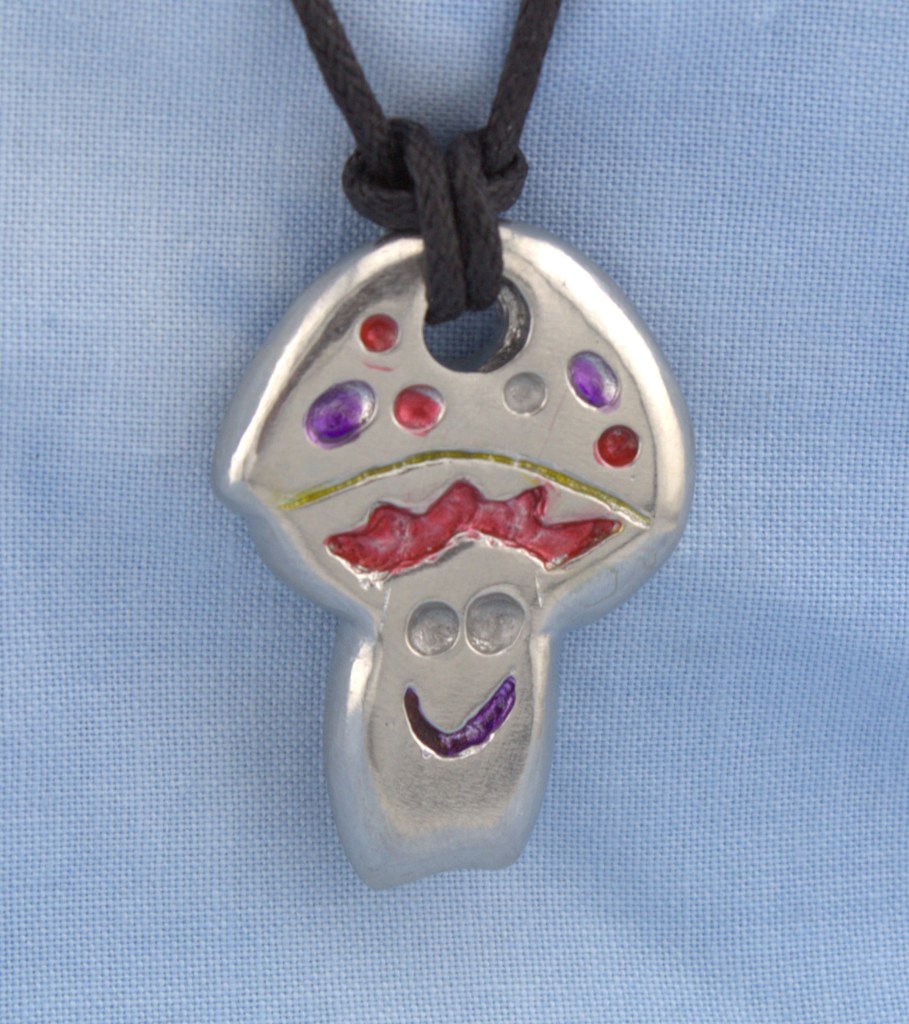
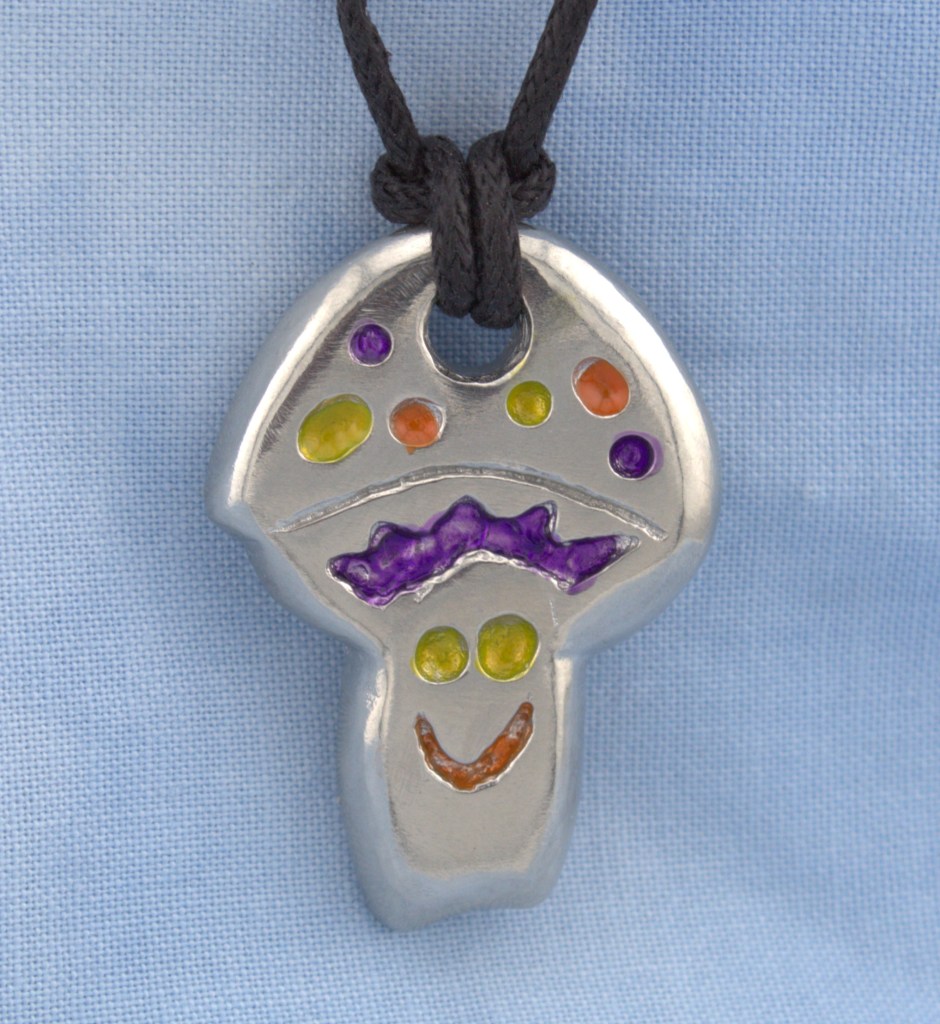
Pewter Mushroom Pendants

Pewter Mushroom pendant

Pewter Mushroom Pendants! Mushrooms have appeared in jewelry history as symbols of good luck, folklore, and nature-inspired whimsy. Additionally, recent trends resurrect them as icons of 1970s nostalgia and wellness.

Fairy Connections: Mushrooms are traditionally seen as seats for pixies, umbrellas for fairies (Parasol Mushrooms), or, in the case of “fairy rings” of fungi, dancing spots for elves.

Witchcraft and Evil: Due to their sudden, overnight appearance, mushrooms were often linked to, or named after, the devil or witches. For example, some are called “Witches’ Butter,” “Devil’s Snuffbox,” and “Stinkhorns”.

Divine and Magical: Ancient Egyptians called them “sons of the gods” and prohibited commoners from eating them. Some species were believed to be created by lightning strikes.

The Christmas Connection: The red-and-white Amanita muscaria is thought to have inspired the story of flying reindeer and Santa Claus. Siberian shamans, similar to Santa, would consume these mushrooms and enter yurts through the roof. This practice mirrors the story of Santa coming down the chimney, especially when traveling by reindeer.

Folk Names: Puffballs are known by many colorful names, including “wolf breaking wind,” “ghosts’ makeup,” and “pixie stool”.

“Stoned Ape” Hypothesis: There is a theory that psilocybin (“magic”) mushrooms played a role in the rapid cognitive evolution of early humans.

The House of Good Fortune

Posted on — Leave a comment

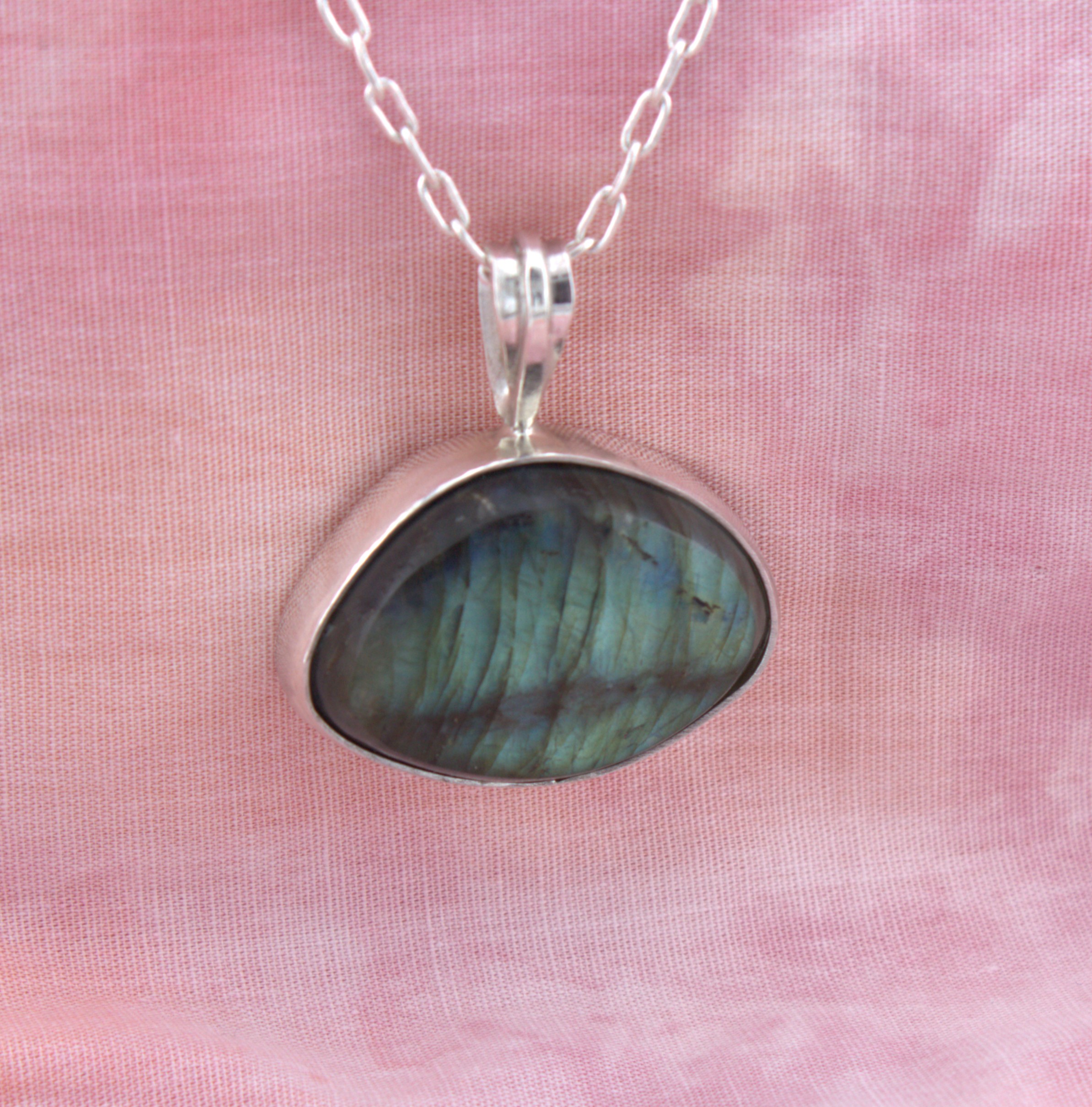
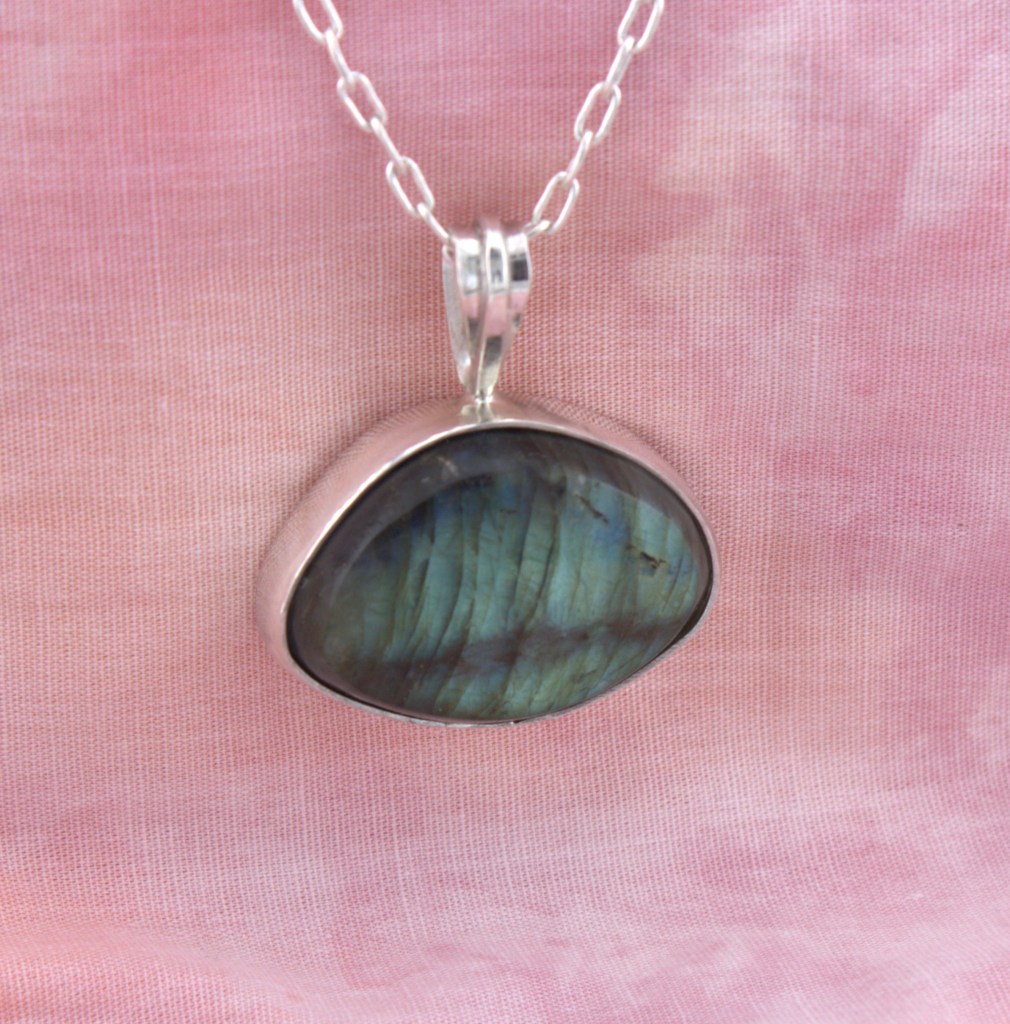
Labradorite Pendants

Labradorite pendant

Labradorite pendants set in sterling silver. According to an Inuit legend, the Northern Lights were once imprisoned in the rocks along the coast of Labrador, and then a wandering Inuit warrior found them and freed most of the lights with a mighty blow of his spear. Labradorite pendants are popular because of the stone’s unique history and magical appearance. It was first discovered in 1770 on the Isle of Paul, near the town of Nain in Labrador, Canada. The local Inuit people were already familiar with the stone, using it in various tools and ornamental items. However, it was the Moravian missionaries who first documented and named the mineral, recognizing its unique and beautiful iridescence. Interestingly, labradorite pendants often showcase this stunning labradorescence. The name is derived from the Labrador region, cementing its connection to this rugged and remote area.

Labradorite, a feldspar mineral known for its iridescent “labradorescence,” was discovered on St. Paul Island in Labrador, Canada, in 1770 by Moravian missionaries. Inuit lore connects the stone to the Aurora Borealis, believing it to be “frozen fire” released from rocks by a warrior’s spear. Labradorite pendants can be found in many jewellery collections, valued for their mystical qualities. It was formally named in the late 18th century after its place of origin. In summary, labradorite pendants highlight the beauty and folklore associated with this remarkable stone.

Labradorite Carving | Smithsonian National Museum of Natural History

Posted on — Leave a comment

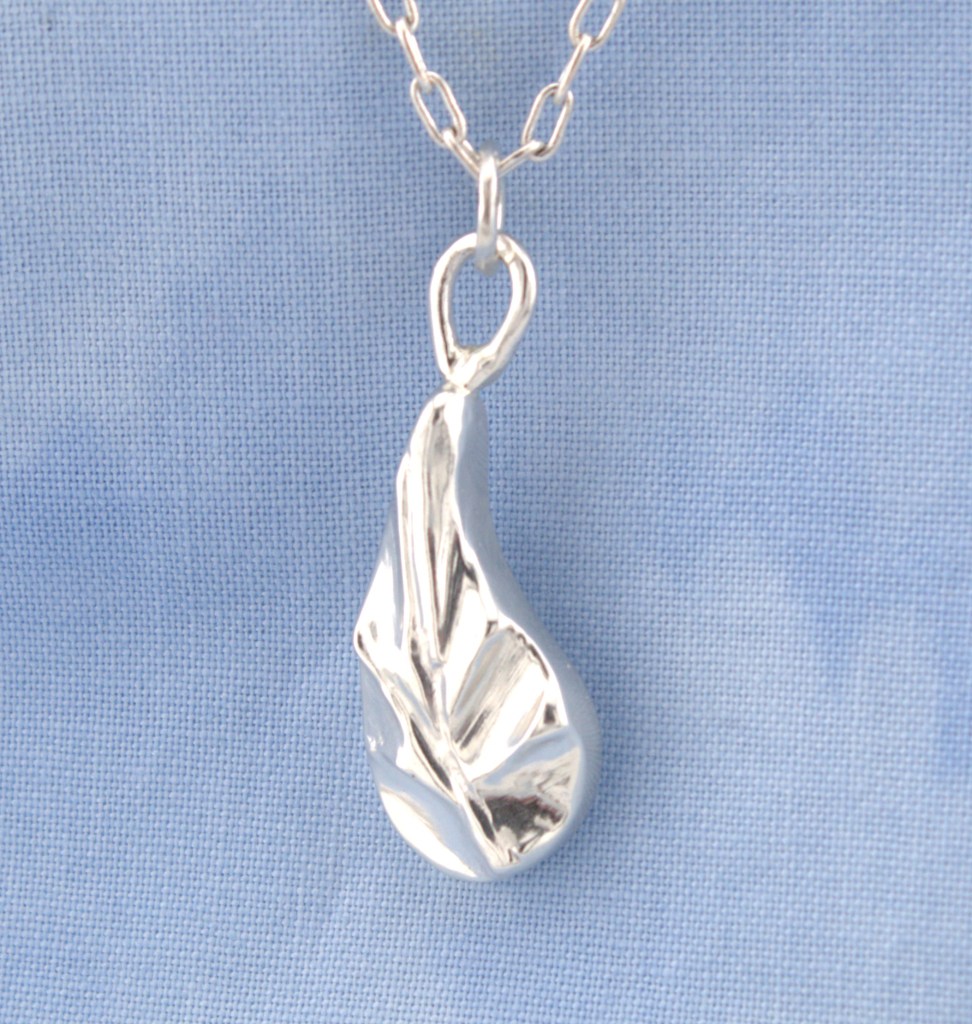
Sterling Silver Shell Pendant Necklace

Sterling silver shell pendant

Sterling Silver shell cast from a shell I picked up on the beach in Naples, Florida. This unique Sterling Silver Shell pendant is perfect for anyone who loves coastal jewelry and personal stories.

Sterling silver, defined as 92.5% silver and 7.5% copper, originated in 12th-century England to enhance the durability of pure silver for currency and goods. Often linked to the “Easterlings” or Norman “sterling” pennies, this alloy standard was adopted by Henry II and mandated for quality in 1238. Moreover, it combines the rich history of sterling silver with unique personal meaning.

The 925 Standard: While silver has been used since roughly 4000 BCE, sterling silver is specifically an alloy developed to increase hardness for practical use. In fact, exemplifies both durability and beauty through this alloy.

Origins of the Term: The term likely originated in the 1100s when German traders (Easterlings) used silver coins of this purity, or from the Old English steorling (coin with a star) used by Normans.

Establishing the Standard: King Henry II established this ratio for British currency in 1158, and it was formalized in 1300 by King Edward I to ensure quality, requiring a hallmark. To sum up, the Sterling Silver Shell pendant represents both tradition and modern style.

Sterling silver – Wikipedia

Posted on — Leave a comment

Sterling Silver Leaf pendant

Sterling silver leaf pendant

Sterling silver leaf pendant cast from wax carved model. Made of 92.5% pure silver and 7.5% other metals (like copper), sterling silver is strong enough to resist damage while maintaining its luster. You can enjoy wearing it frequently without worrying about it easily bending or losing its shine.

Silver Recycling

In 2000, the global silver supply deficit (the difference between mine and scrap supply and silver demand) was more than 3,000 metric tons. U.S. silver demand for photographic applications alone was nearly equal to annual U.S. silver production. Until 1968, the U.S. silver deficit was filled by withdrawals from the U.S. Treasury reserves. In 2000, the deficit was filled by destocking, imports, and recycling. Photographic wastes, spent catalysts, and electronic scrap are the major sources of materials for silver recycling. Nearly 1,800 tons of silver contained in these materials were available for recycling in 2000. Other recyclable silver-bearing materials include dental alloys, jewelry, and silverware. In 2000, an estimated 1,700 tons of silver were recovered from secondary sources in the United States. The U.S. recycling efficiency for old scrap was calculated to have been 97 percent in 2000; the recycling rate was estimated to be 32 percent.