Posted on Leave a comment

New Seraphinite

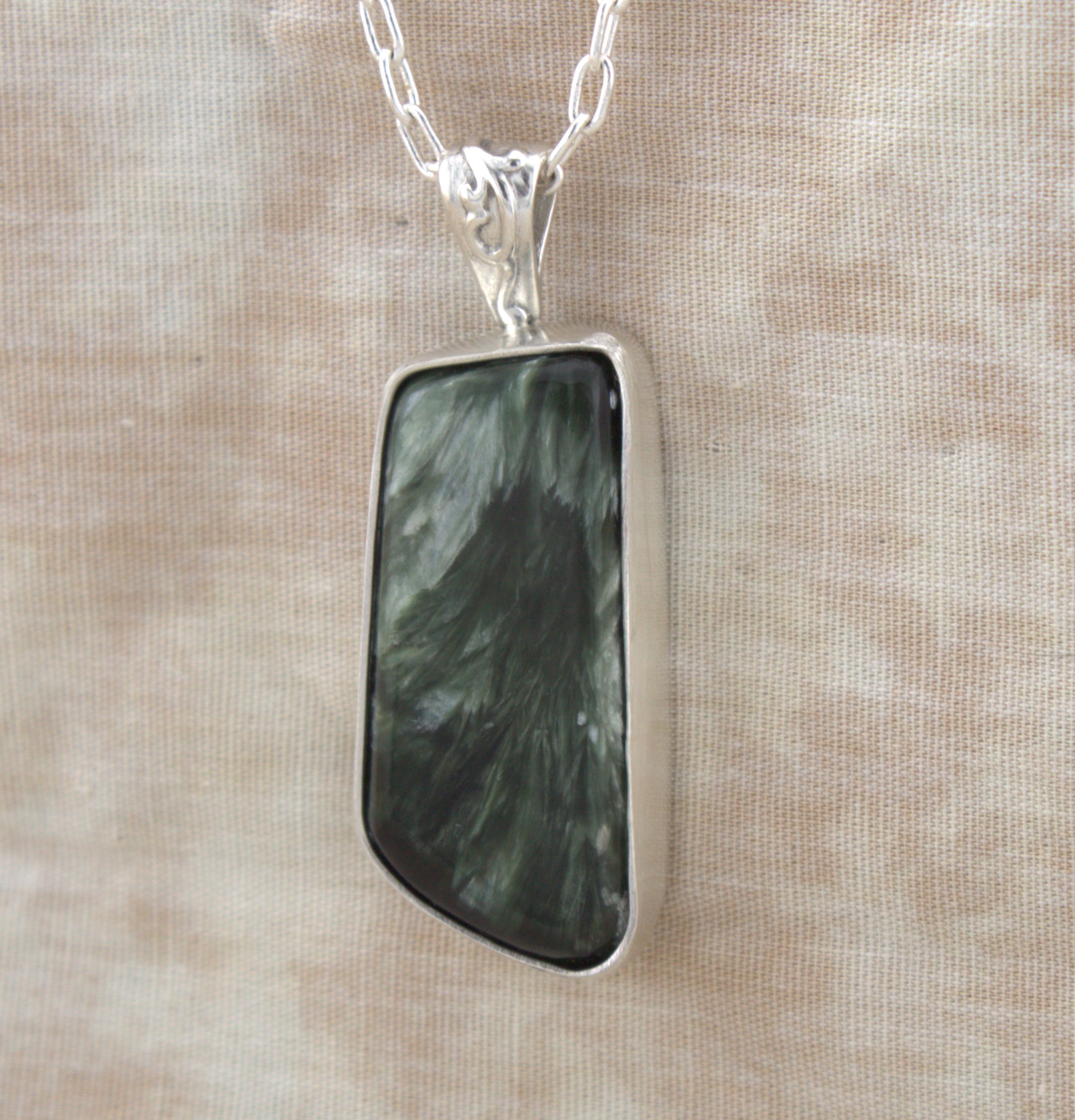
Seraphinite pendant in sterling silver

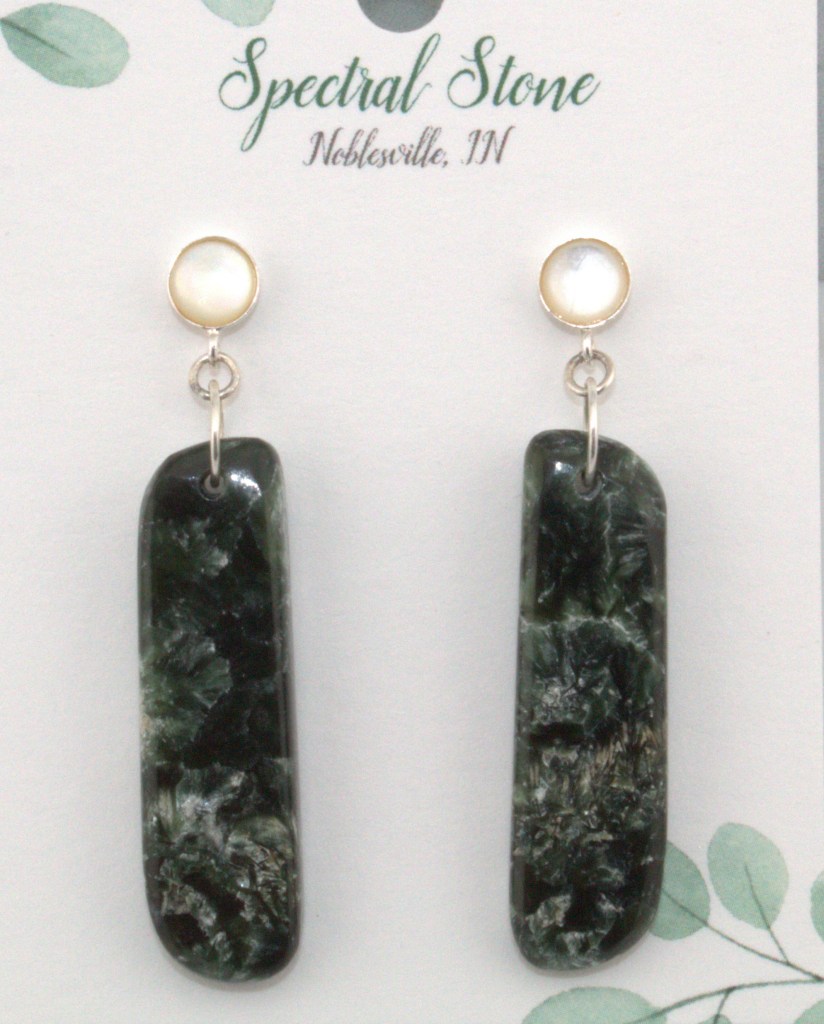
New Seraphinite pendant, ring and earrings with Mother of Pearl accent stones. Set in Sterling Silver. The latest New Seraphinite designs bring elegance and uniqueness to your collection.

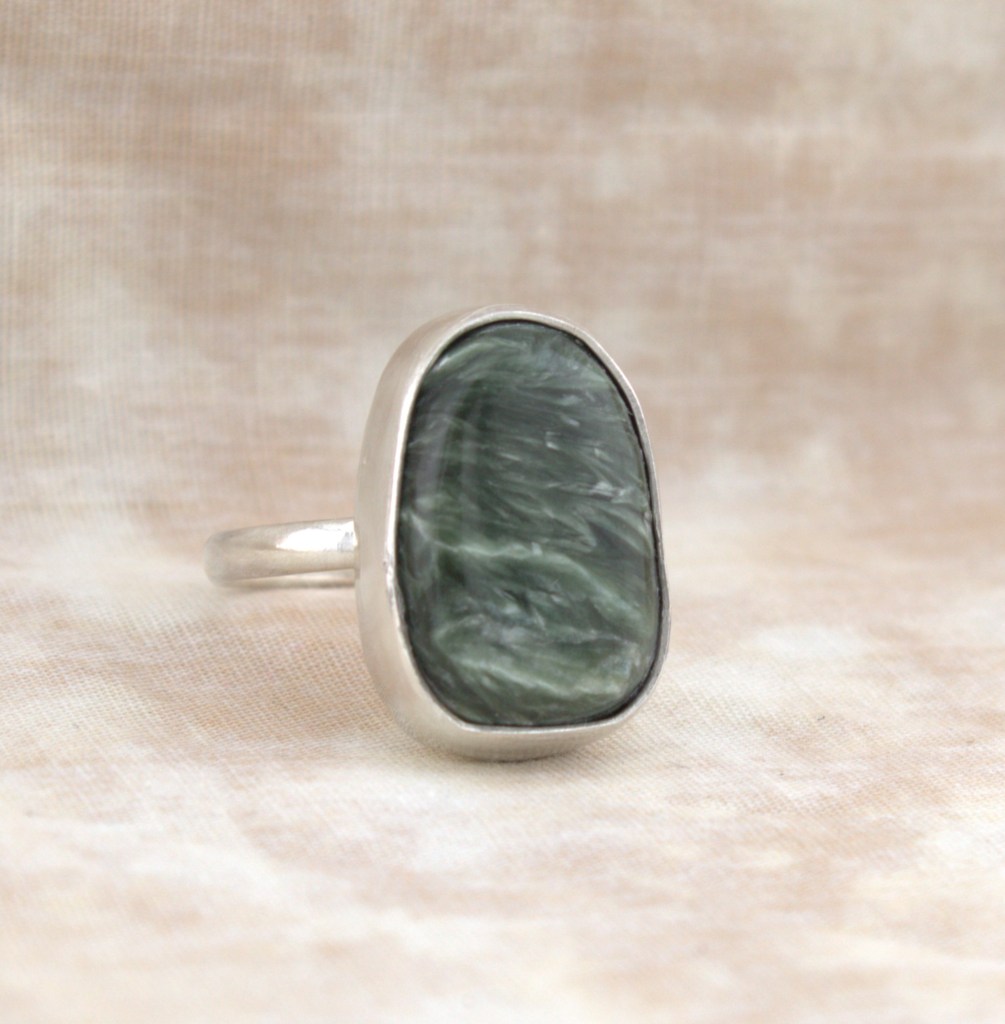
Seraphinite is a green to grayish-green variety of clinochlore, a mineral in the chlorite group, known for its distinctive feathery, silvery inclusions that resemble angel wings. It is a soft stone with a Mohs hardness of 2–2.5, making it best suited for collectors or for protective jewelry settings like pendants and earrings, and is mined in Siberia. In lithotherapy, it is associated with spiritual growth, divine connection, and healing, which makes new pieces crafted with Seraphinite particularly appealing. 

Mineralogical and physical properties of New Seraphinite add to its allure and uniqueness.

  • Composition: A magnesium-iron-aluminum silicate, specifically a variety of the mineral clinochlore.
  • Color: Typically green, with shades ranging from light to dark green, often with silvery or white fibers.
  • Hardness: 2 to 2.5 on the Mohs scale, making it a relatively soft and delicate stone.
  • Luster: Pearly, dull, or greasy.
  • Cleavage: Perfect in one direction.
  • Origin: Primarily found in Siberia, Russia.
  • Unique features: Its name comes from the resemblance of its silvery inclusions to angel wings, and it is sometimes called “angel stone”. New discoveries in Seraphinite offer fresh perspectives on this gem’s beauty.
Seraphinite Gem Guide and Properties Chart

Posted on Leave a comment

New Citrine

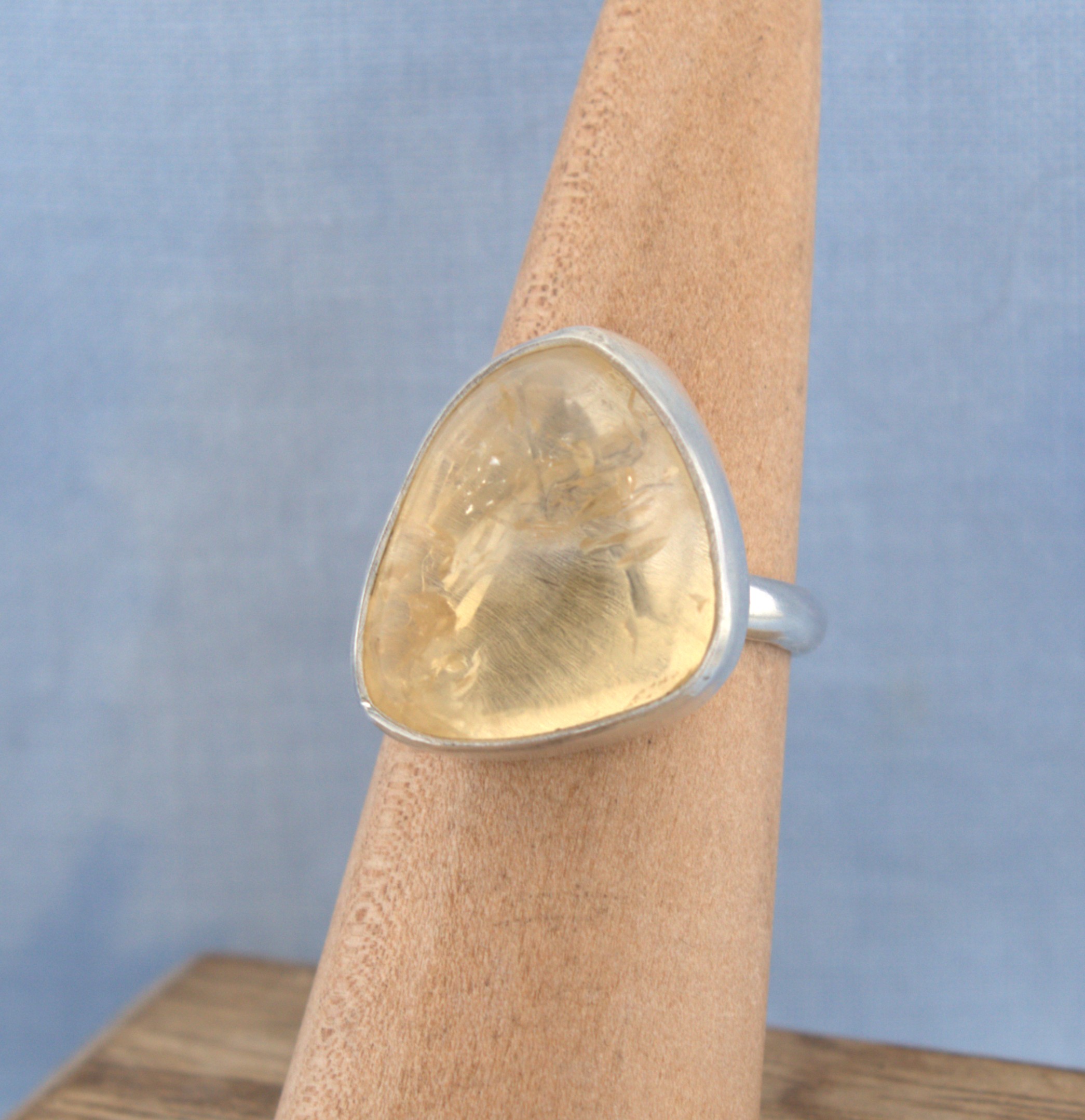
citrine ring in sterling silver

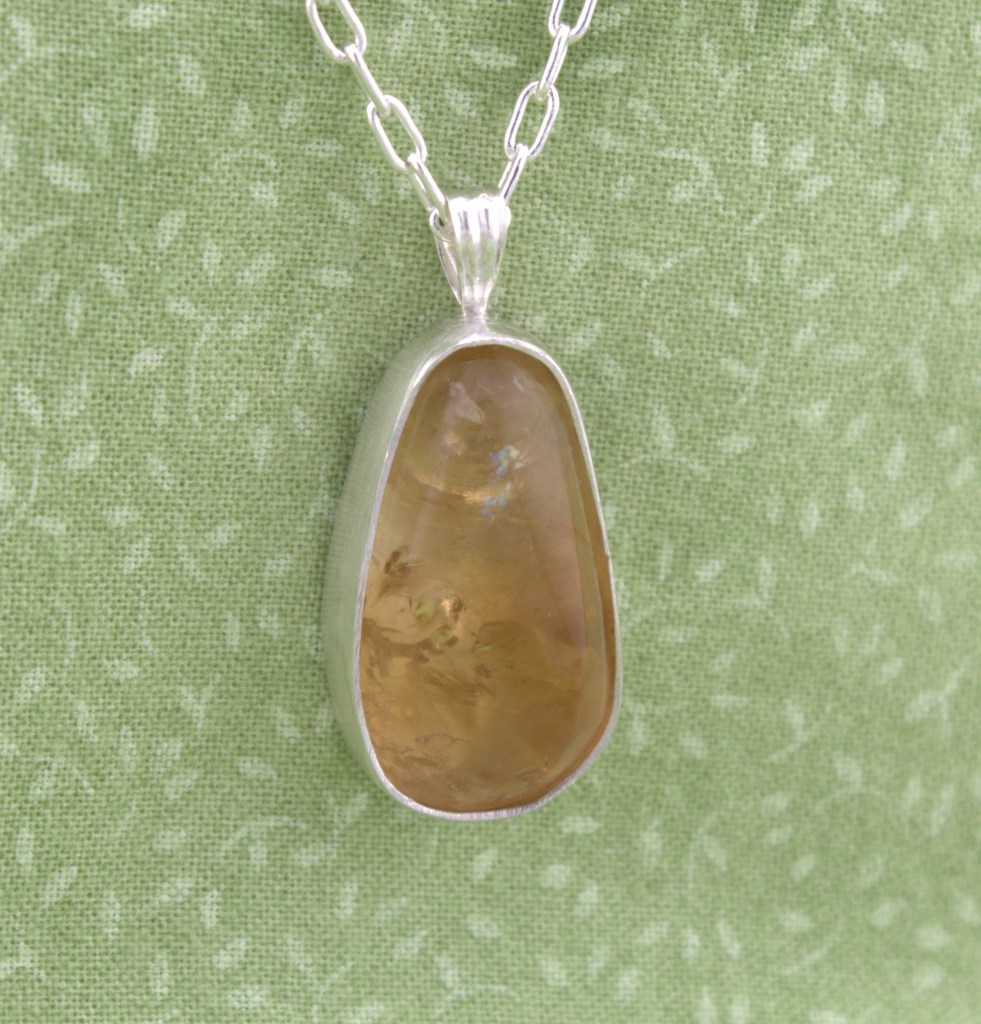
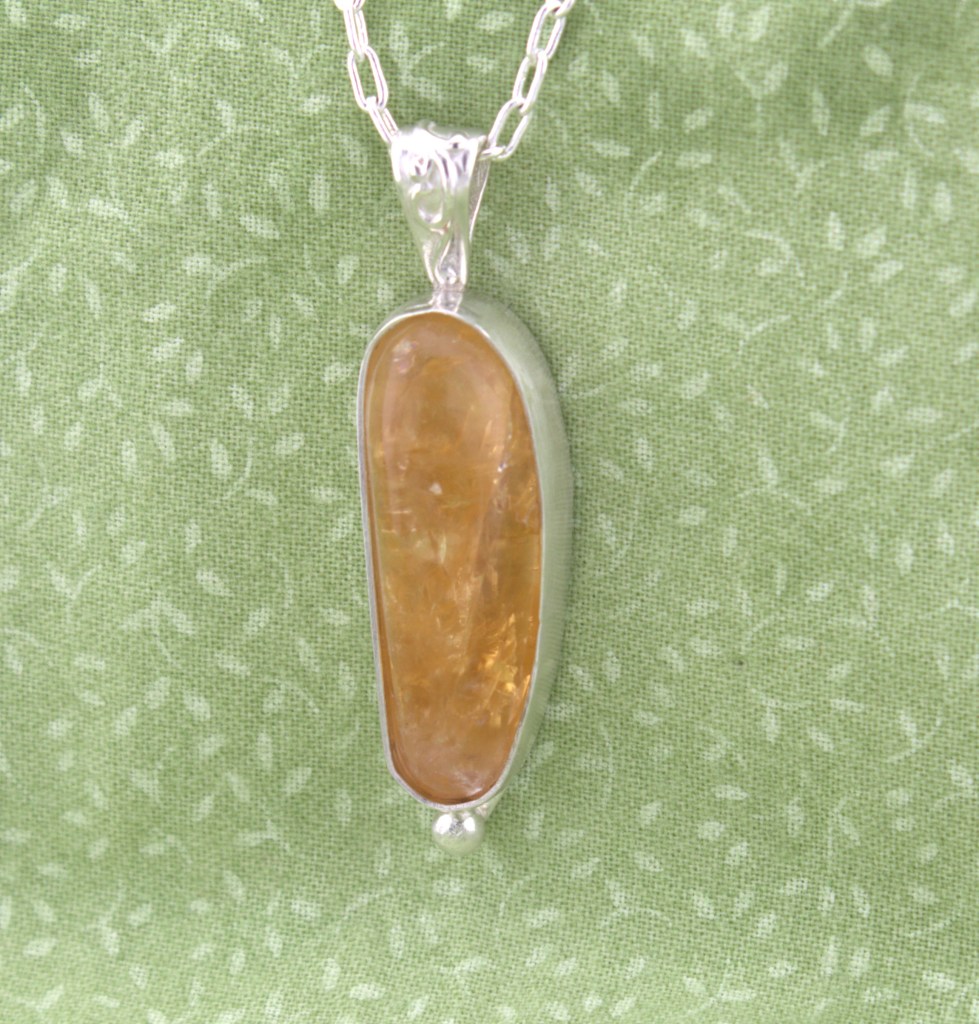
New Citrine pendants and ring in Sterling Silver.

Citrine’s history spans ancient times to the present, with early use by the Ancient Greeks and in 17th-century Scotland for decorative purposes on items like sword hilts. The name “citrine” comes from the Latin and French words for yellow or lemon, inspired by its color, and it was mentioned as a “golden stone” in the Old Testament. While natural citrine is a rare find today, most citrine on the market is heat-treated amethyst.  

Ancient and early history

  • Ancient Greece: The Ancient Greeks used citrine during the Hellenistic period (300–150 B.C.) for decorative gems, believing it held the sun’s power, says Mark Schneider Fine Jewelry
  • Ancient texts: The stone was known in ancient times and was likely referred to in the Old Testament as “chrysolitus,” a Greek word for golden stone, notes BlueStone
  • Name origin: The name “citrine” is derived from the Latin word “citrina” or the French word “citron” (lemon), referring to its yellow and orange hues, according to Wikipedia

History of Citrine Gemstones | Where Citrine Comes From

Posted on Leave a comment

Labradorite pendants and more

labradorite pendant in sterling silver

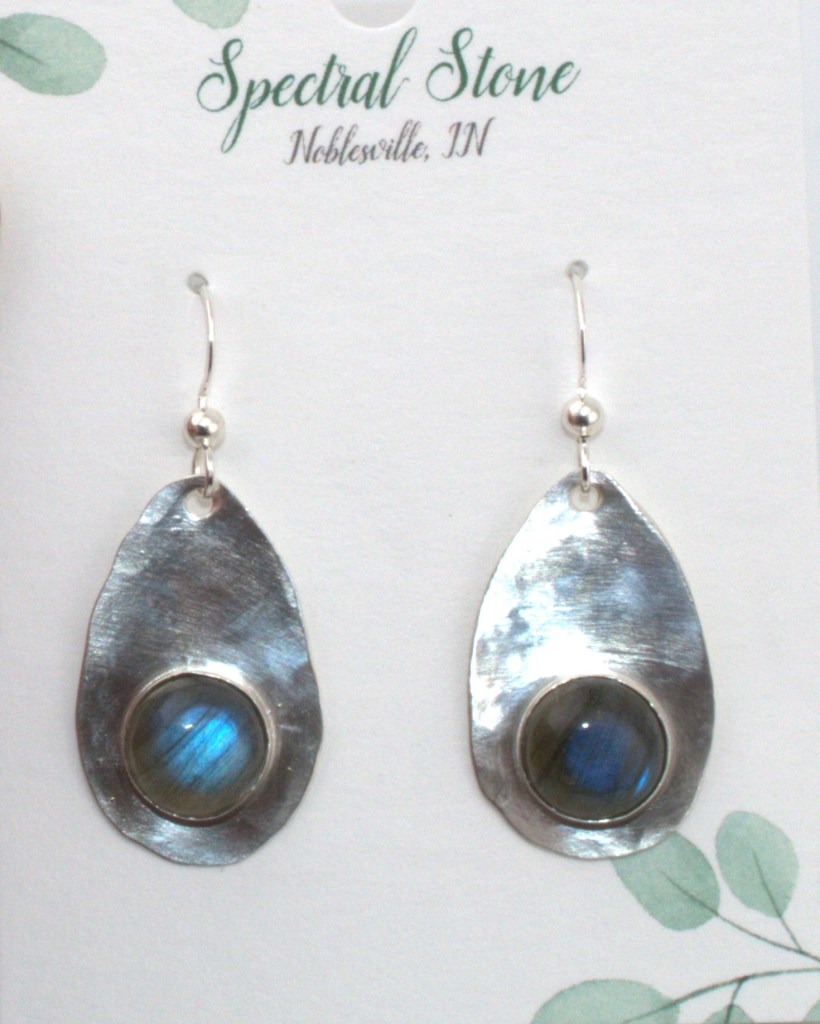
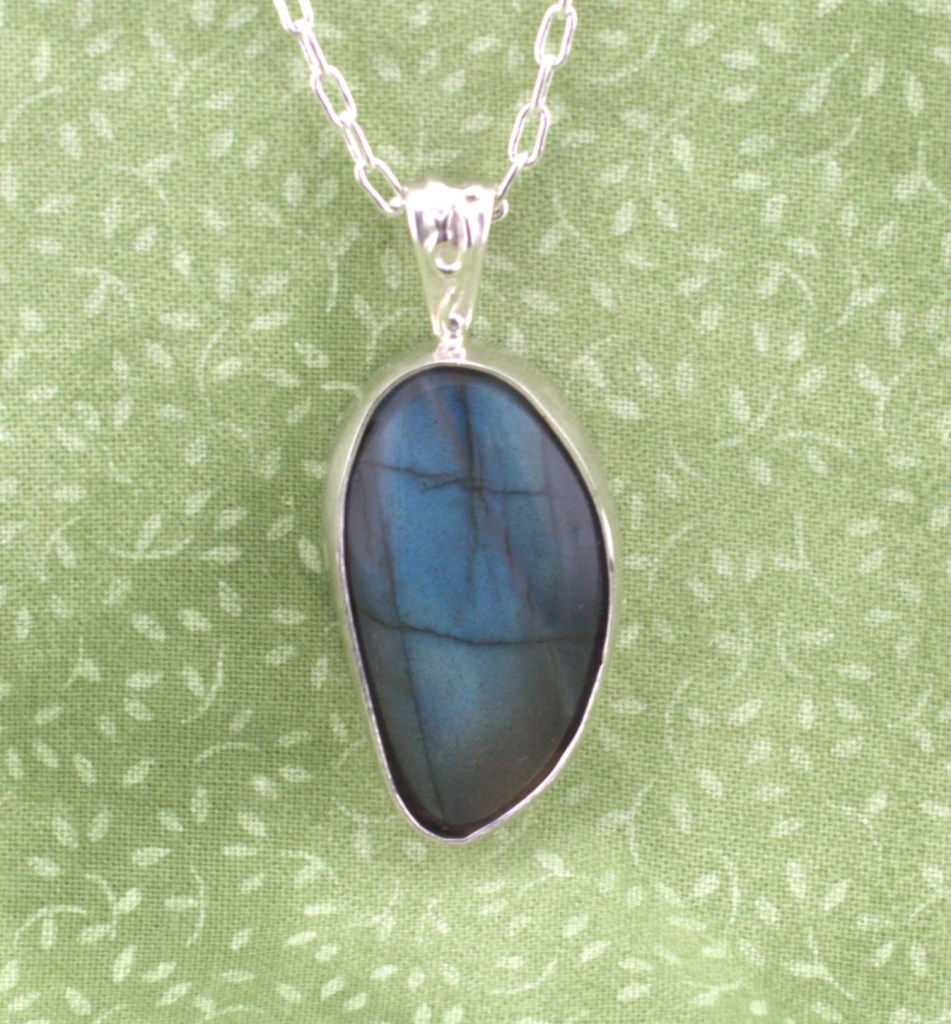
Labradorite pendants and more in Sterling Silver. According to an Inuit legend, the Northern Lights were once imprisoned in the rocks along the coast of Labrador. Then a wandering Inuit warrior found them and freed most of the lights with a mighty blow of his spear. It was first discovered in 1770 on the Isle of Paul, near the town of Nain in Labrador, Canada. The local Inuit people were already familiar with the stone, using it in various tools and ornamental items. However, it was the Moravian missionaries who first documented and named the mineral. They recognized its unique and beautiful iridescence. The name is derived from the Labrador region, cementing its connection to this rugged and remote area. Set in Sterling Silver.

Labradorite is a feldspar mineral first discovered in Labrador, Canada, and known for its iridescent colors, a phenomenon called labradorescence. The shimmering blue, green, violet, and other colors are not caused by impurities. Instead, they are caused by light reflecting off internal layers of the stone. It is a relatively hard mineral (6-6.5 on the Mohs scale). It is used in jewelry and architecture, and in some cultures, it is considered a spiritual stone associated with transformation and intuition.

Labradorite Gem Guide and Properties Chart

Posted on Leave a comment

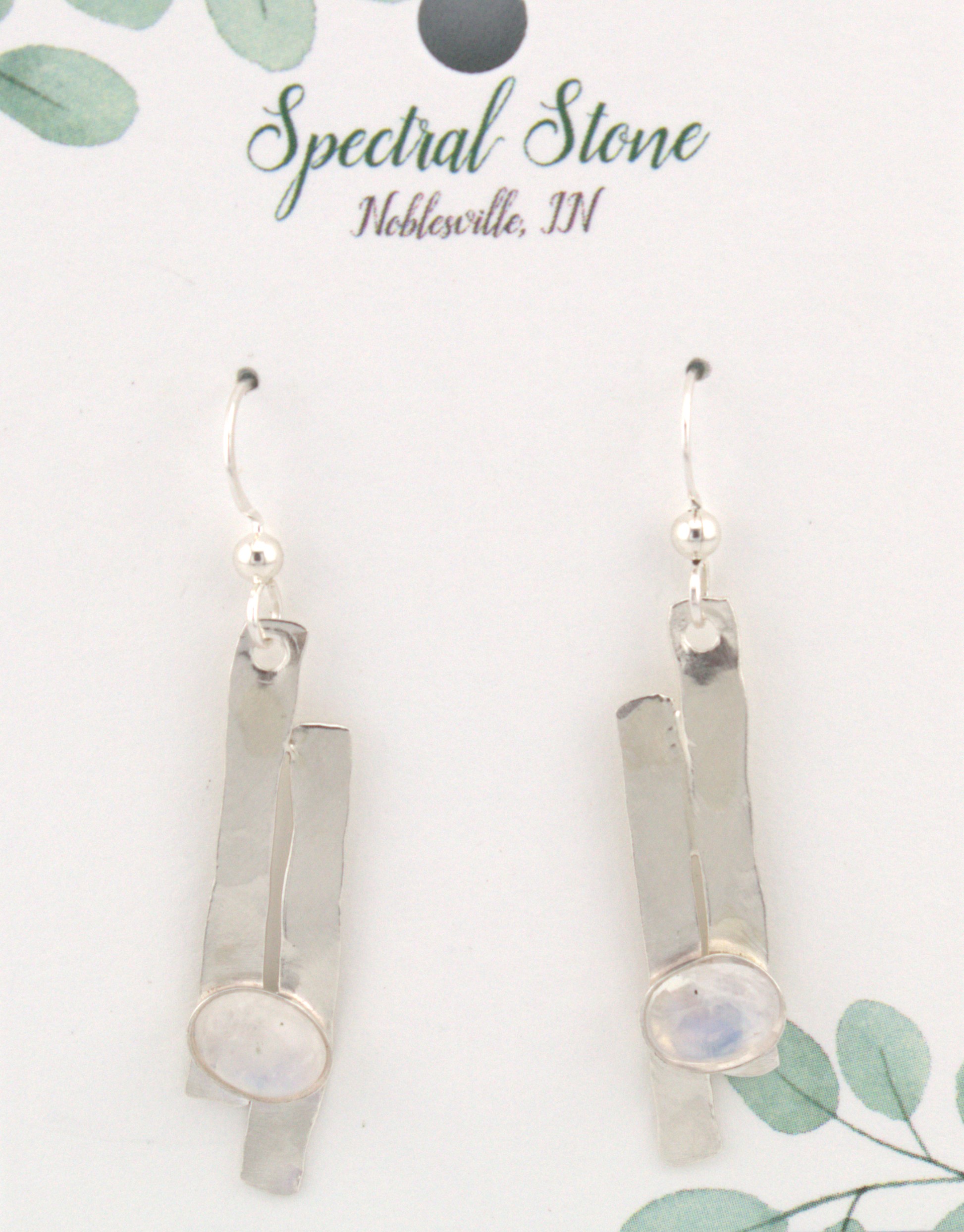
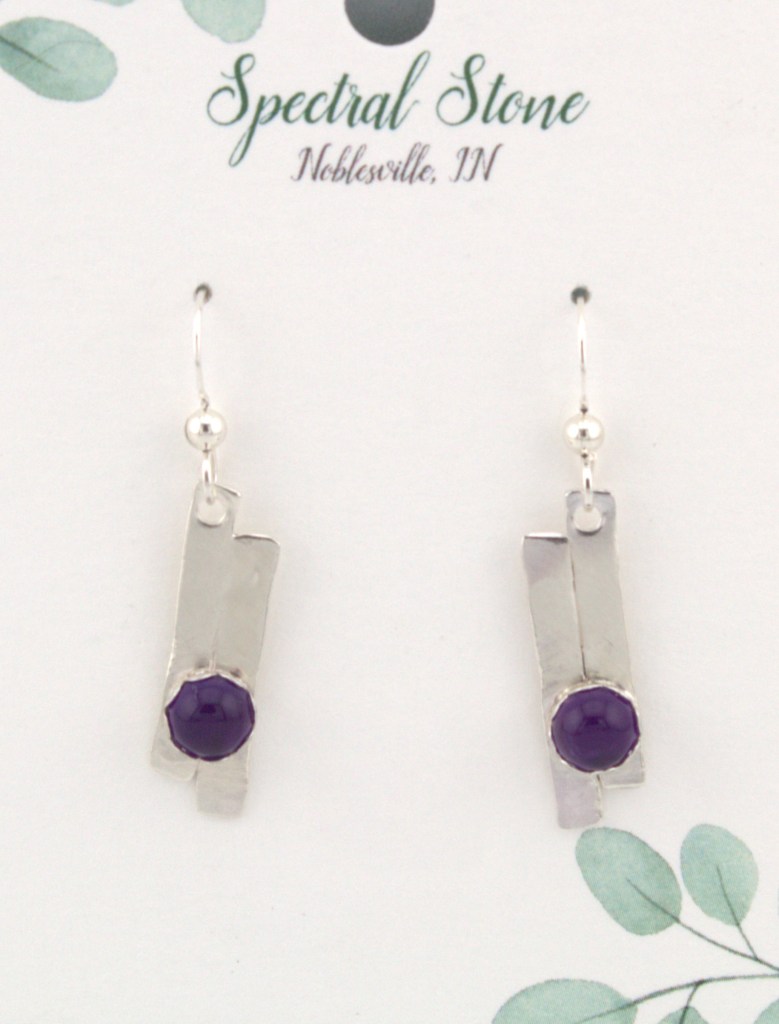
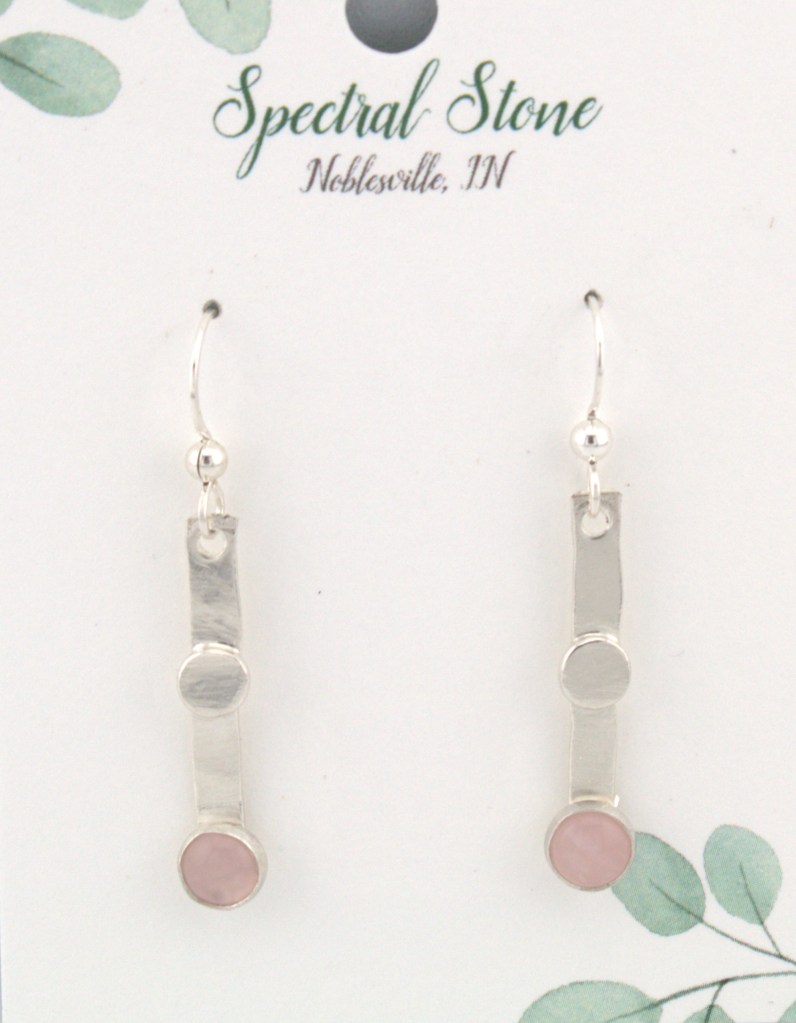
New Earrings with and without stones

moonstone earrings in sterling silver

New Earrings with and without stones are in Amethyst, Rose Quartz and Moonstone. Set in Sterling Silver.

Moonstone is a variety of feldspar mineral. It is prized for its optical phenomenon called adularescence, where a milky or bluish glow appears. This glow seems to move across the surface of the stone. It has a hardness of 6–6.5 on the Mohs scale and is often cut into a cabochon. This enhances its unique sheen. Moonstone has a long history in various cultures. It is associated with the moon, good luck, protection during travel, and emotional and intuitive properties.  

Amethyst is a violet to purple variety of quartz and is valued as a semi-precious gemstone. It is known for its deep color and historical significance. It is the birthstone for February and can be found worldwide. Major sources include Brazil, Uruguay, Zambia, and Canada. Historically, it was believed to prevent intoxication and was associated with spiritual matters like piety and celibacy. It was often used in religious jewelry. 

Rose quartz is a pink variety of quartz mineral, named for its color, with a chemical composition of

SiO2cap S i cap O sub 2𝑆𝑖𝑂2 and a Mohs hardness of 7. It’s known for being a “love stone” in metaphysical circles. It is used in jewelry, carvings, and decorative items due to its toughness and color. Its pink hue comes from microscopic inclusions of other minerals, like silicate fibers or rutile. Deeper pink colors are more valuable.