Posted on Leave a comment

Nguni Jasper

Nguni Jasper

Nguni Jasper is a rare variety of jasper found exclusively in South Africa. It is named for its distinctive brown, beige, and cream banding that mimics the coat patterns of native Nguni cattle.
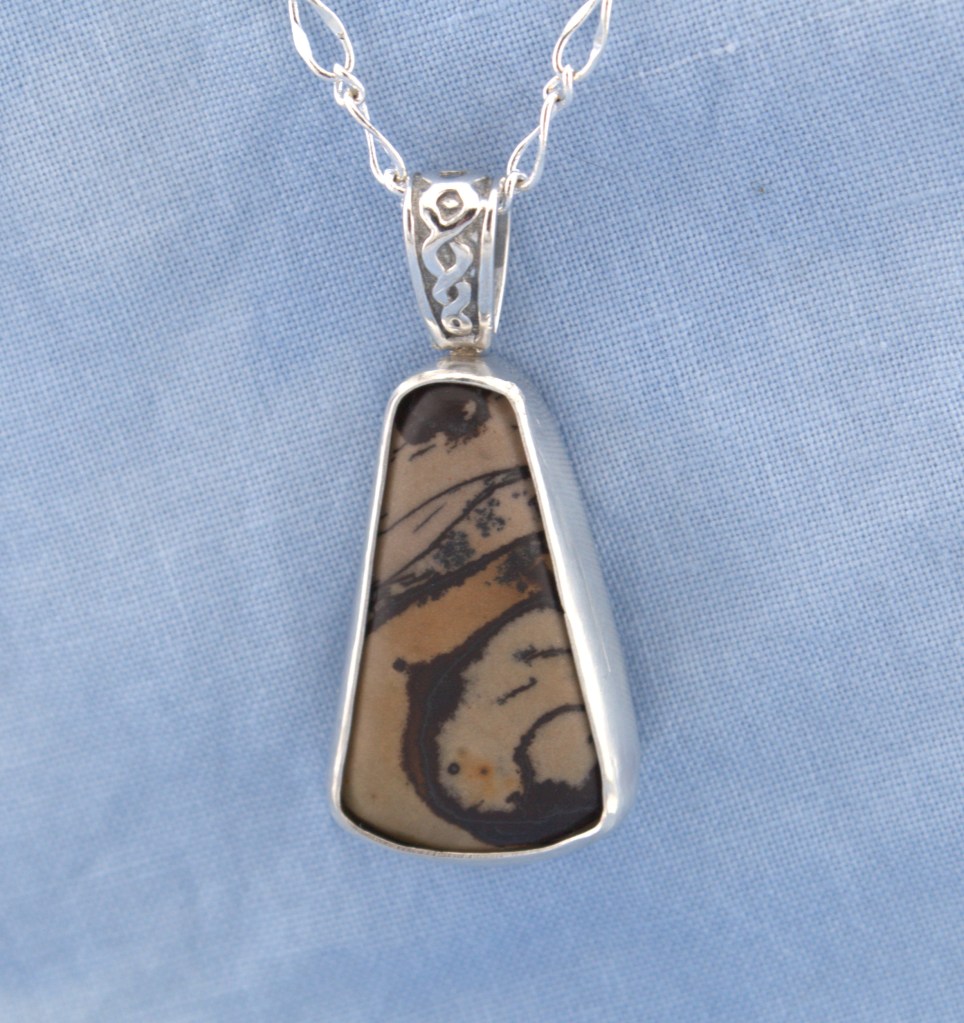
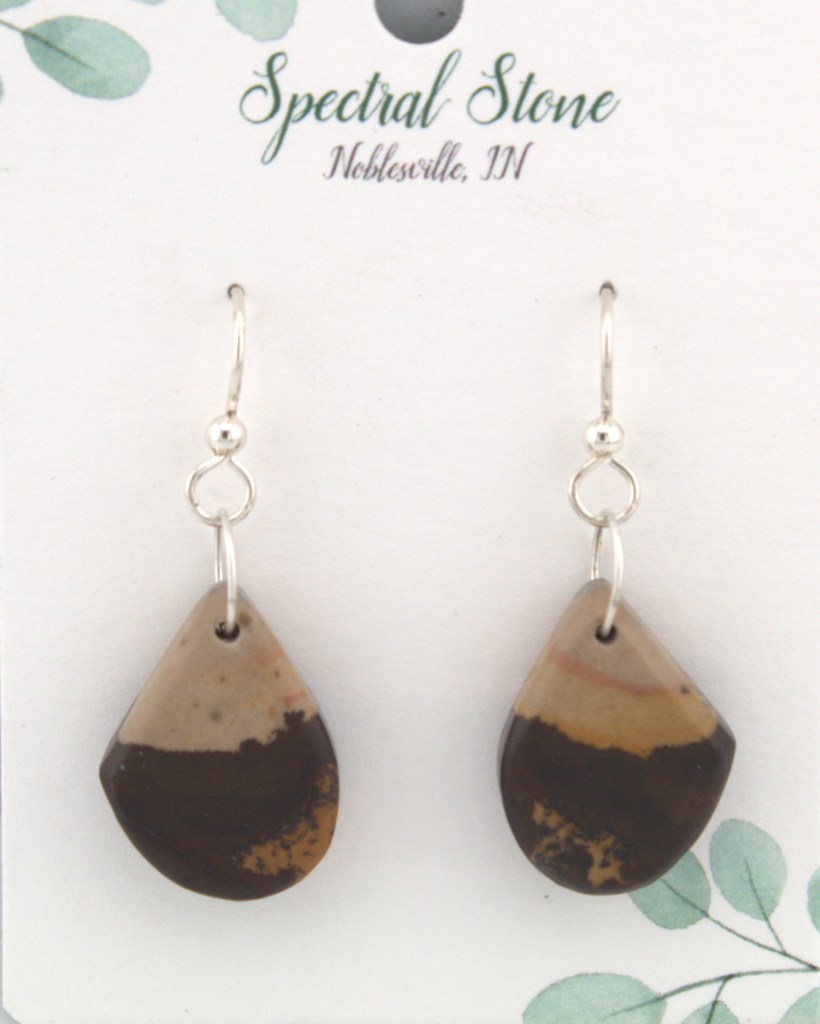
The stone is explicitly named after the Nguni cattle, a breed of cattle native to Southern Africa. These cattle are famous for their highly varied, beautiful, and patchy coats featuring mixtures of white, cream, brown, and black. Because the natural bands, swirls, and soft contrasts of the stone closely mimic the hide of these animals, it was given the “Nguni” moniker. Some regional sources also attribute the name to the Nguni River area in South Africa. This is where deposits are mined.

Though its commercial name is relatively new, the stone itself has likely been known to and used by the indigenous peoples of South Africa for centuries. In regional folklore and local traditions, stones with these earthy, grounding patterns have historically been used by local communities and energy healers as protective amulets, in ceremonial wear, and to facilitate a connection to ancestral wisdom and the spirit of the land.

Ancestral Magic Power Nguni Jasper Stones for connection and grounding
Posted on Leave a comment

Penrod at Newfields

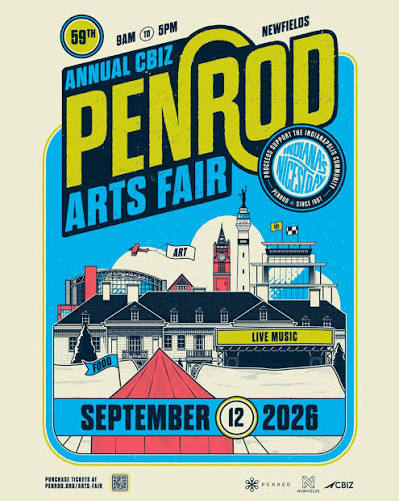
Spectral Stone will be in the Blue section of Penrod at Newfields this year! The 59th Annual CBIZ Penrod Arts Fair takes place on Saturday, September 12, 2026, from 9:00 AM to 5:00 PM at Newfields in Indianapolis, Indiana

The Penrod Arts Fair is an annual Indianapolis tradition known as “Indiana’s Nicest Day” and ranks as one of the largest single-day art fairs in the nation.

  • The Establishment: The Penrod Society formed in 1967 as an all-volunteer civic organization.
  • The Name: Founders named the group after Penrod Schofield, a mischievous and memorable character from Indianapolis native Booth Tarkington’s novel.
  • First Event: The inaugural event took place on September 9, 1967, on the grounds of Oldfields (now part of Newfields).
  • Original Purpose: The founders organized the gathering to boost membership and raise construction funds for the Art Association of Indianapolis, which later became the Indianapolis Museum of Art.

Growth and Evolution

  • Location: The fair has remained on the Newfields campus since its inception, transforming the historic estate grounds into an expansive gallery space.
  • Expansion of Events: Over the decades, the single Saturday tradition expanded into a full weekend. Organizers added preview events like “Evening with Penrod” and year-round creative showcases like “Easel by Penrod”.
  • Community Impact: Run entirely by volunteers, the fair has distributed nearly $5 million in proceeds over its history. These funds support local central Indiana arts, education, school music instruments, and children’s hospital art therapy programs.

The Art of Custom Handmade Jewelry

Posted on Leave a comment

Rocky Butte Picture Jasper

Rocky Butte Picture Jasper

Rocky Butte Picture Jasper features unique landscape or dendritic patterns with blue, green, brown, rust, and red tones. Lapidary artists use it for cabochons, slabs, and jewelry

Picture jasper is known for landscape-like patterns that resemble desert terrain, distant mountain ranges and windswept plateaus. Its golden browns and warm red tones evoke the rugged beauty of the American Southwest. A naturally opaque chalcedony, picture jasper has been used worldwide for centuries, valued as both a decorative and symbolic stone. Once favored for ornamental objects such as vases and architectural accents, it is now especially popular in jewelry designs inspired by earthy textures and southwestern style.

Picture Jasper (Picture Jasper) – Rock Identifier

Rocky Butte Picture Jasper Archives | Spectral Stone Lapidary Arts

Posted on Leave a comment

Swazi Agate

Swazi Agate

Swazi agate, also known as Mozambique Agate, is a colorful banded chalcedony originating near the border of Mozambique and Eswatini (formerly Swaziland)

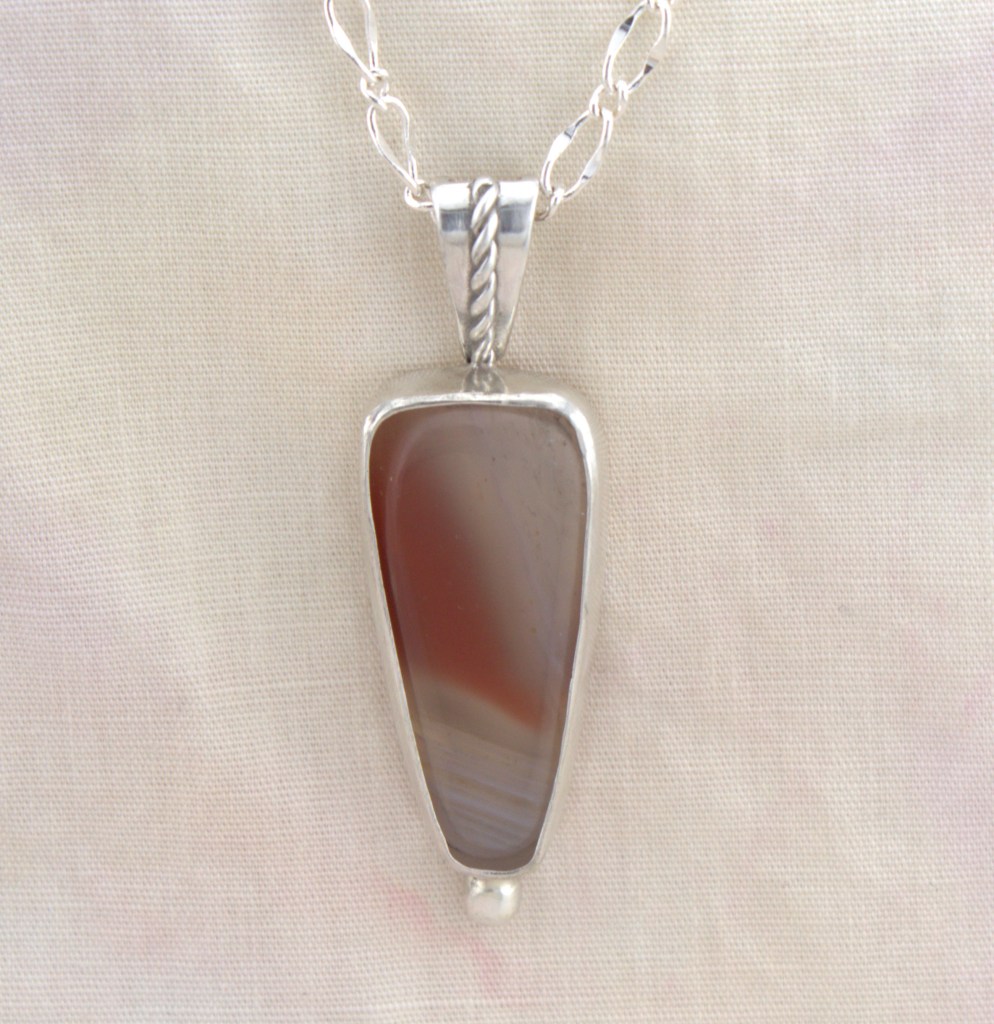
Swazi Agate is also called Mozambique Agate, and is from border of Mozambique and the Kingdom of Eswatini, formerly known as Swaziland. The material commonly displays gray to blue and rose colored agate with banding. Parallax and sagenite are possible, and some can have quartz centers.

Swazi agates come from southeastern Africa, specifically along the border region between Mozambique and the Kingdom of Eswatini (formerly Swaziland)

Swaziland, officially renamed Eswatini in 2018, is a small, landlocked absolute monarchy located in Southern Africa

  • Naming: Despite the name “Swazi,” much of the commercial supply is actually mined and sourced from nearby areas in Mozambique, such as Tete.
  • Appearance: They feature colorful, translucent banding in shades of gray, blue, rose, red, orange, and lavender.
  • Features: Nodules often include quartz centers, sagenite inclusions (needle-like crystal inclusions), and parallax banding effect

Swazi Agate – Etsy

Swazi Agate Archives | Spectral Stone Lapidary Arts