

Spectral Stone will be at the Midwest Salute to the Arts in Fairview Heights, Illinois this weekend. Hope to see you there!
Spectral Stone will be at the Midwest Salute to the Arts in Fairview Heights, Illinois this weekend. Hope to see you there!

Fossils and geodes are super old, therefore they are guaranteed to make you look younger
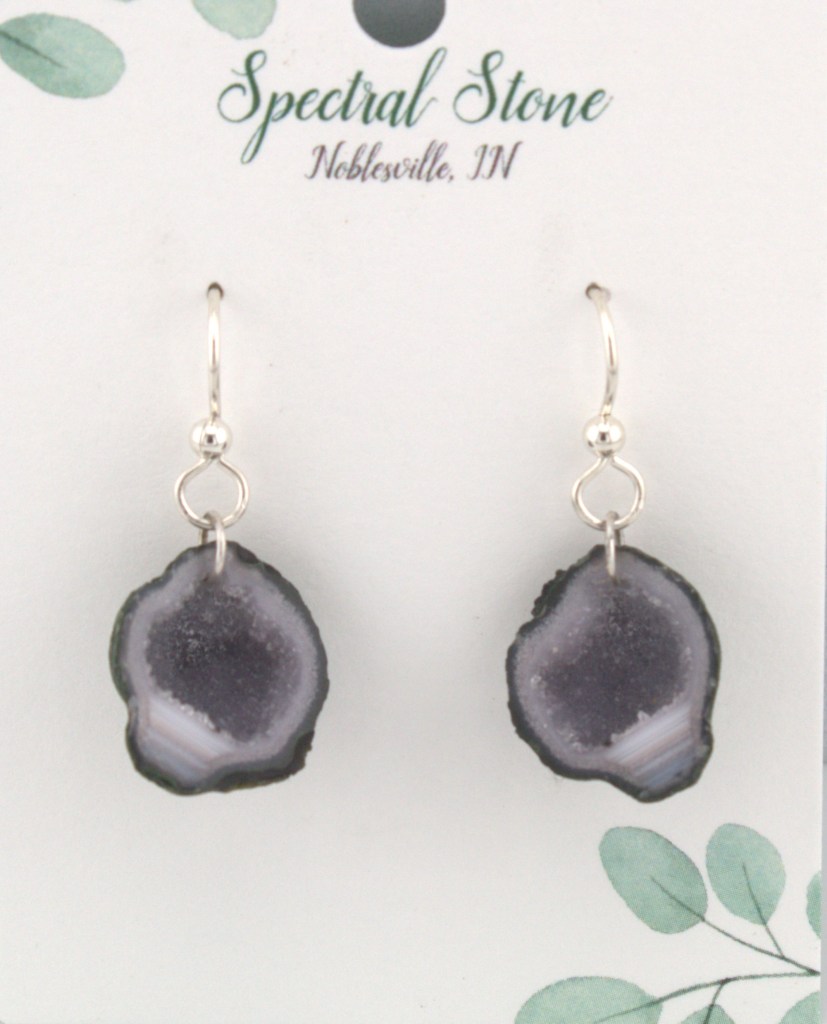
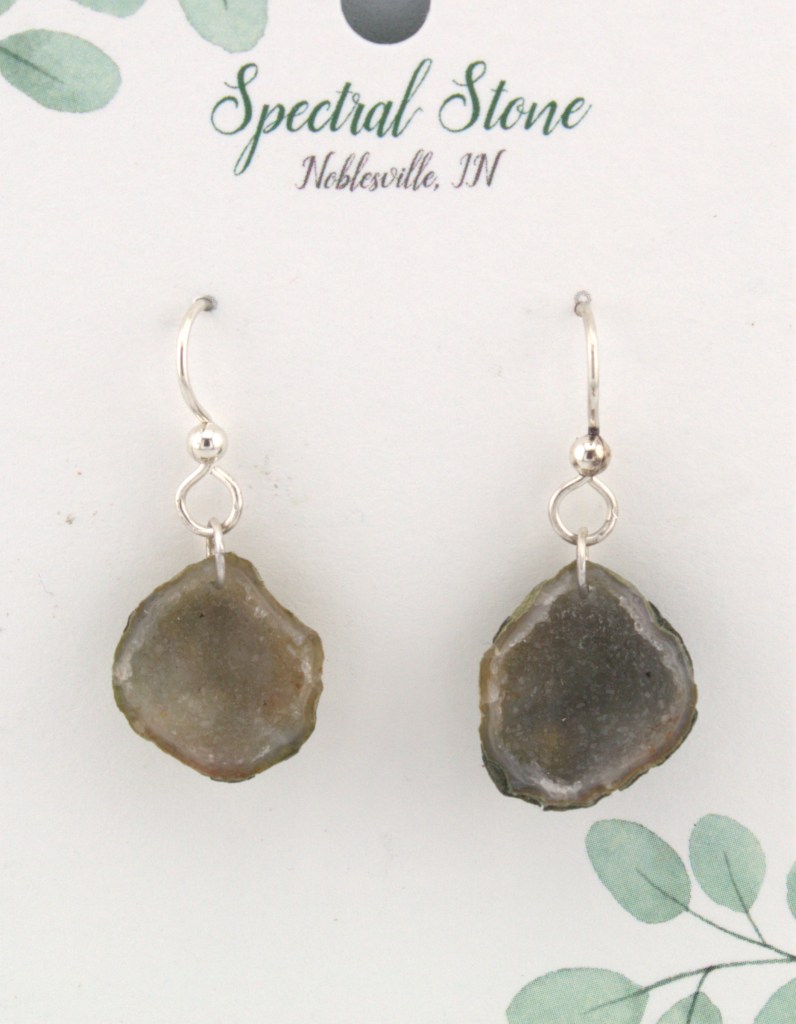
Tabasco geodes are the world’s smallest known geode formation, measuring between 0.25 and 1 inch in size and originating from volcanic basalt flows in Zacatecas, Mexico
Discovery: Miners first found these tiny geodes in the 1970s within volcanic rock deposits.
New Finds: A fresh deposit was brought to the commercial market in 2018.
Hard Mining: Workers must carefully chisel the nodules out of thick basalt host rock
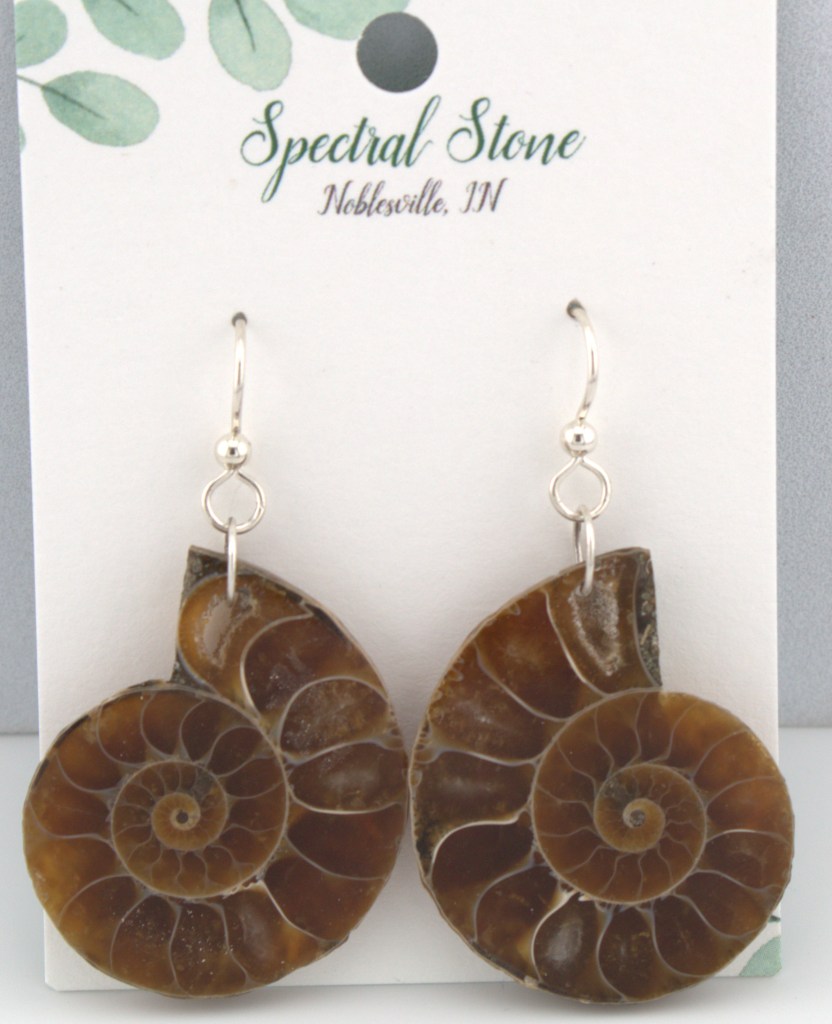
An ammonite is an extinct marine mollusk that belonged to the class Cephalopoda, making them ancient relatives of modern octopuses, squid, cuttlefish, and the nautilus. These creatures first appeared roughly 450 million years ago and became entirely extinct 66 million years ago during the same mass extinction event that wiped out the non-avian dinosaurs

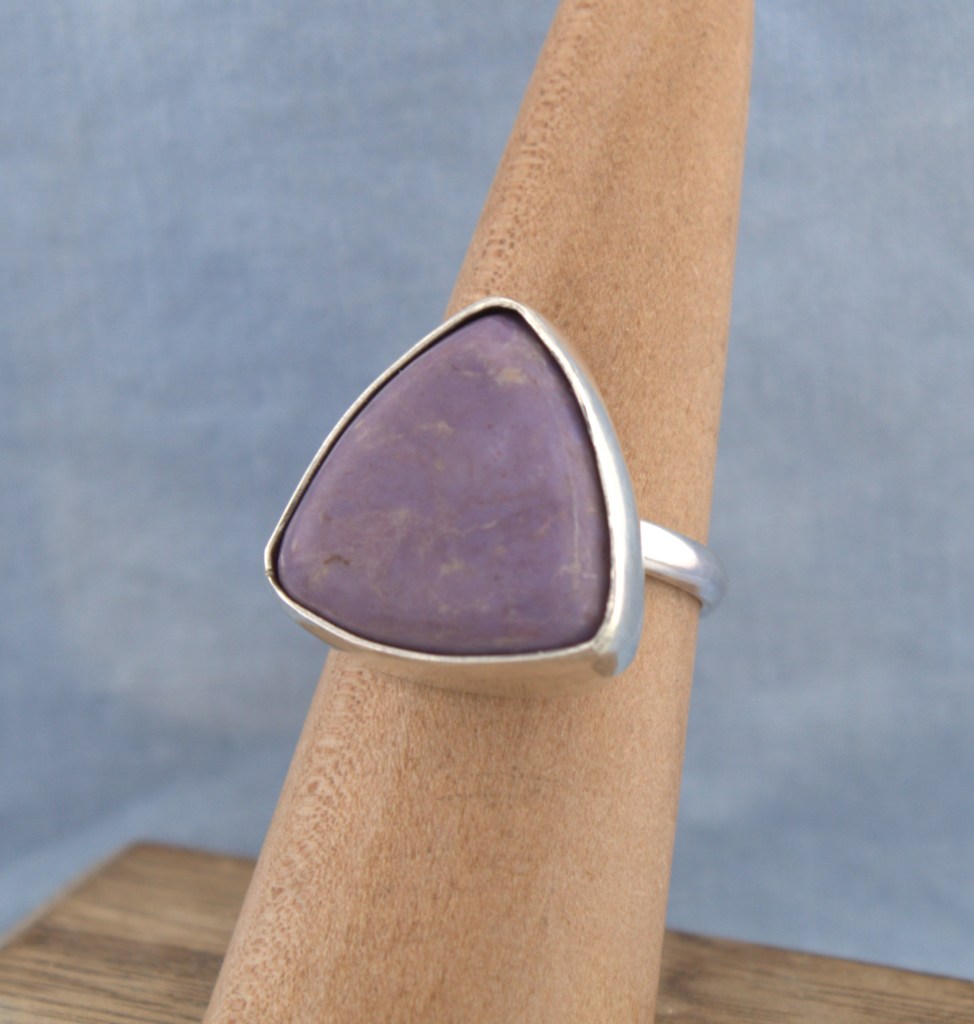
Pink and Purple, Rhodonite and Purple Jade. Set in Sterling Silver.
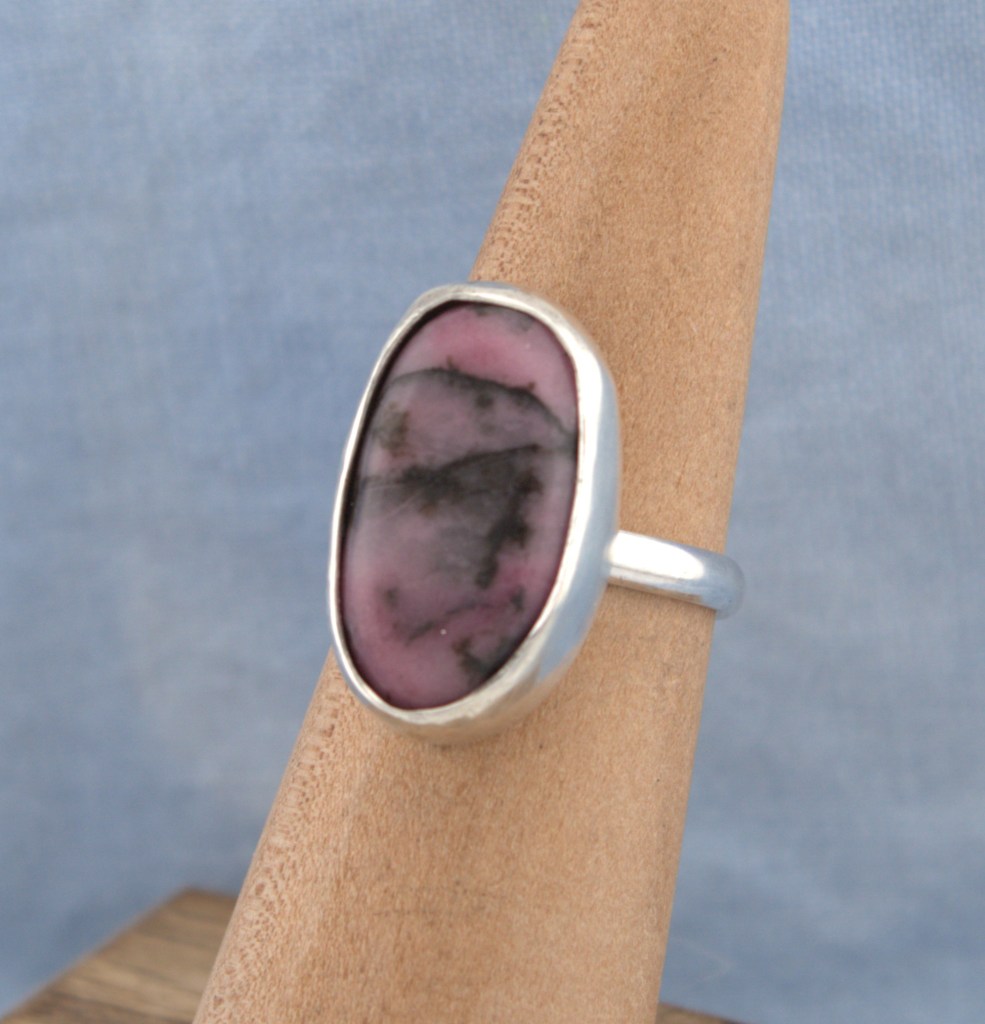
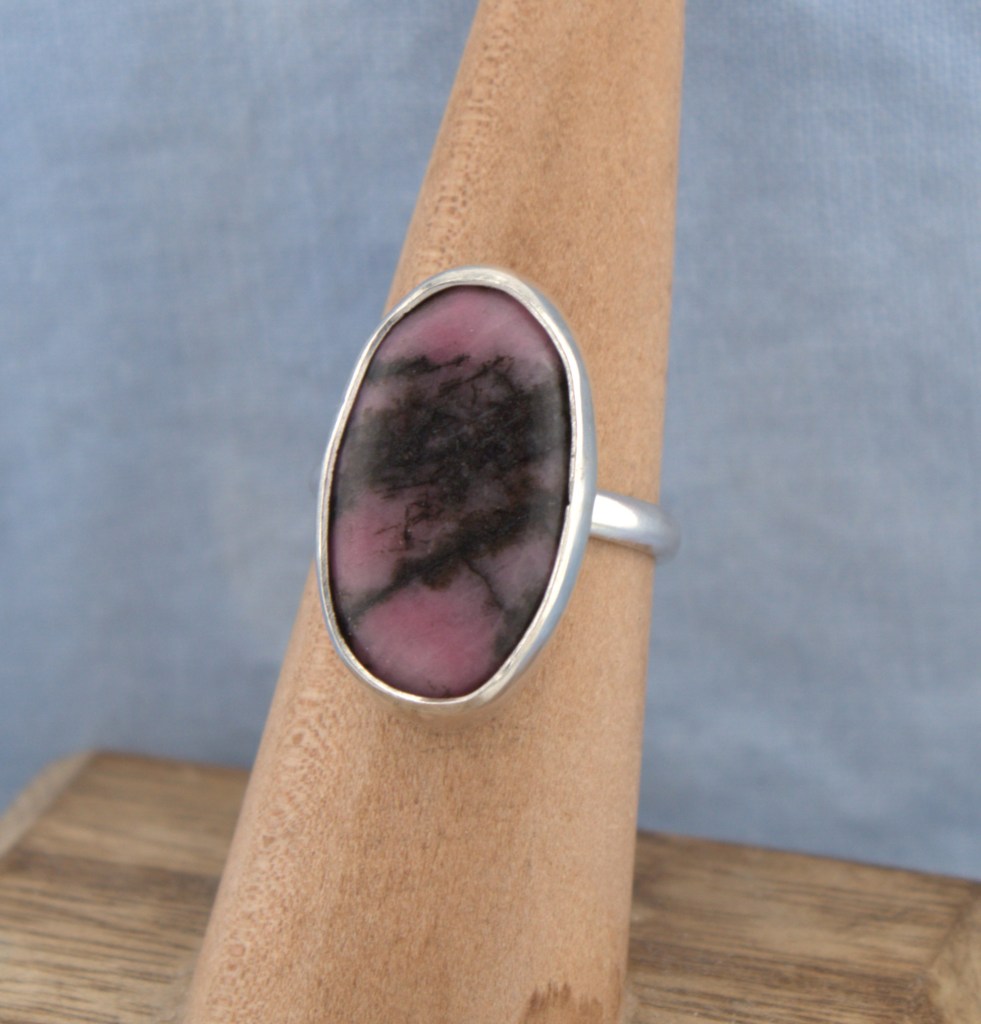
Rhodonite is a rose-pink to deep red manganese inosilicate mineral marked by dark black manganese oxide veins. First discovered in the Ural Mountains of Russia in 1790, it was officially named in 1819 by German naturalist Christoph Friedrich Jasche from the Greek word rhodon, meaning “rose.”
lavender jade or Turkish purple jade—has a unique history split between traditional Asian gemology and modern mineral discoveries. Natural purple colors in true jadeite come from manganese trace elements.
Ancient Association: High-quality natural lavender jadeite has long been treasured in Asian cultures, linked traditionally with imperial nobility, spiritual harmony, and divine wisdom
Poetic Naming: Traditional jade traders used evocative terms like “Spring Color” (Chun) or “Peach Blossom Purple” to describe its pastel-to-violet shades
Market Realities: Highly saturated natural purple is exceptionally rare; much of the vivid purple jade historically and currently traded has been color-enhanced or dyed from lower-grade white jadeite

Laguna Lace Agate with Sterling Silver Earrings!


Laguna lace agate was discovered in the mountains of Chihuahua, Mexico, in the 1940s. It comes from a tiny four-square-mile area near the rail stop of Estación Ojo Laguna. Miners first filed official claims in the region, such as the Mesquite claim, during early twentieth-century explorations
n history, it is shown that Agate, first discovered when the artifacts of Neolithic people were searched. Since ages, it is speculated as a healing talisman that keeps the negativity out from the internal and surrounding aura. In ancient times people use this fascinating stone for medicinal purpose, thus popular in Greek and Egyptian civilizations. The popularity of Laguna Lace Agate takes it to the regions of Africa along with the regions of the Middle East. It is too exported to Russia for its medicinal as well as healing properties.
In Germany, cutting, and polishing business burgeon in 15th Century and gained the boom till the 19th Century, but still the Agates that are polished and cut in Germany contemplates best.
Laguna Lace Agate gains the importances for its enthralling band forms that appears on the surface and hold the importance of their own. Further, the energy of the color combination, as well as its resonating eminence, is renowned for its healing ability.
Laguna Lace Agate : Properties, Formation, Locations – Geology Science
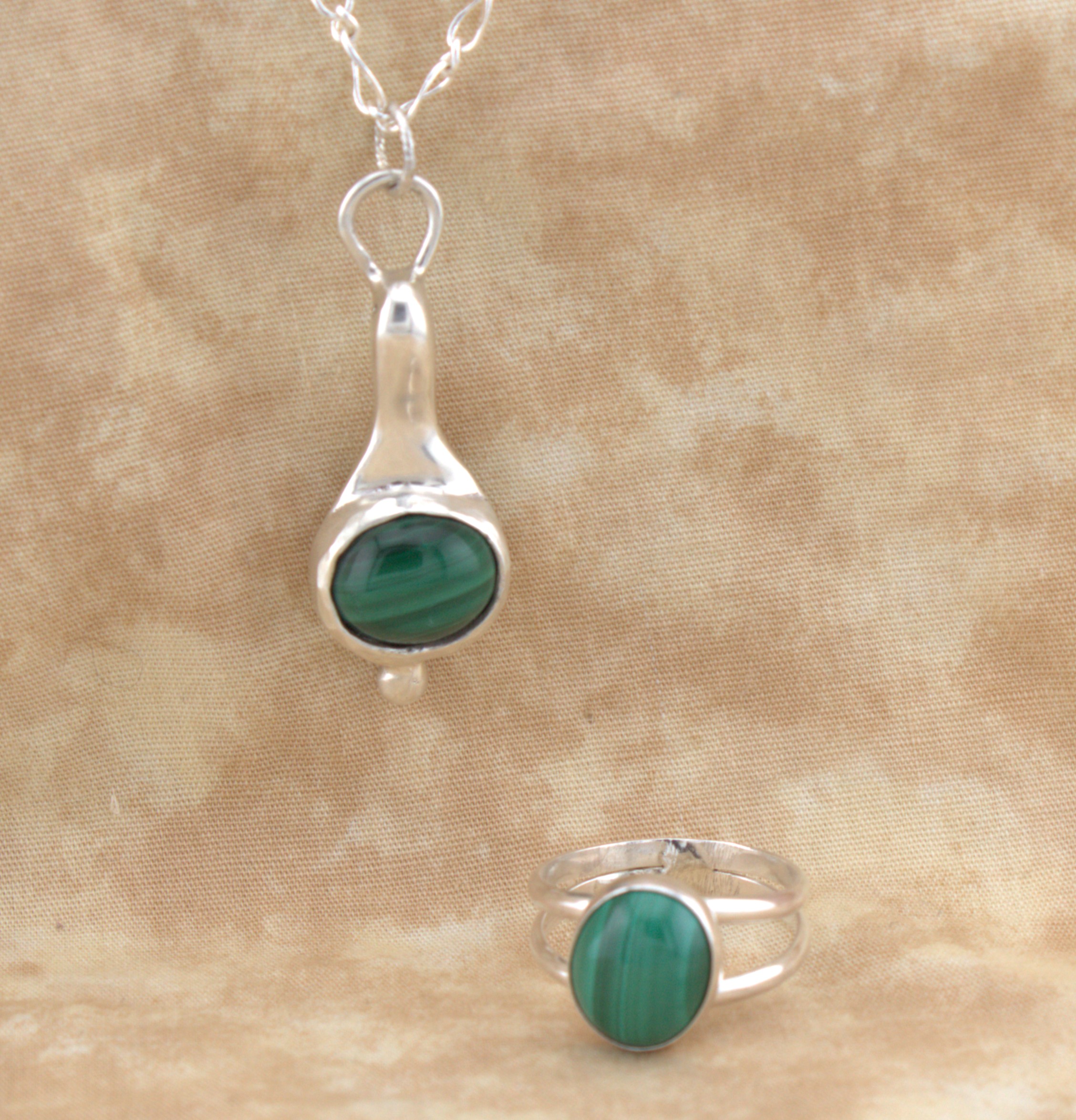
New Malachite pendant, ring and earrings. Set in Sterling Silver.
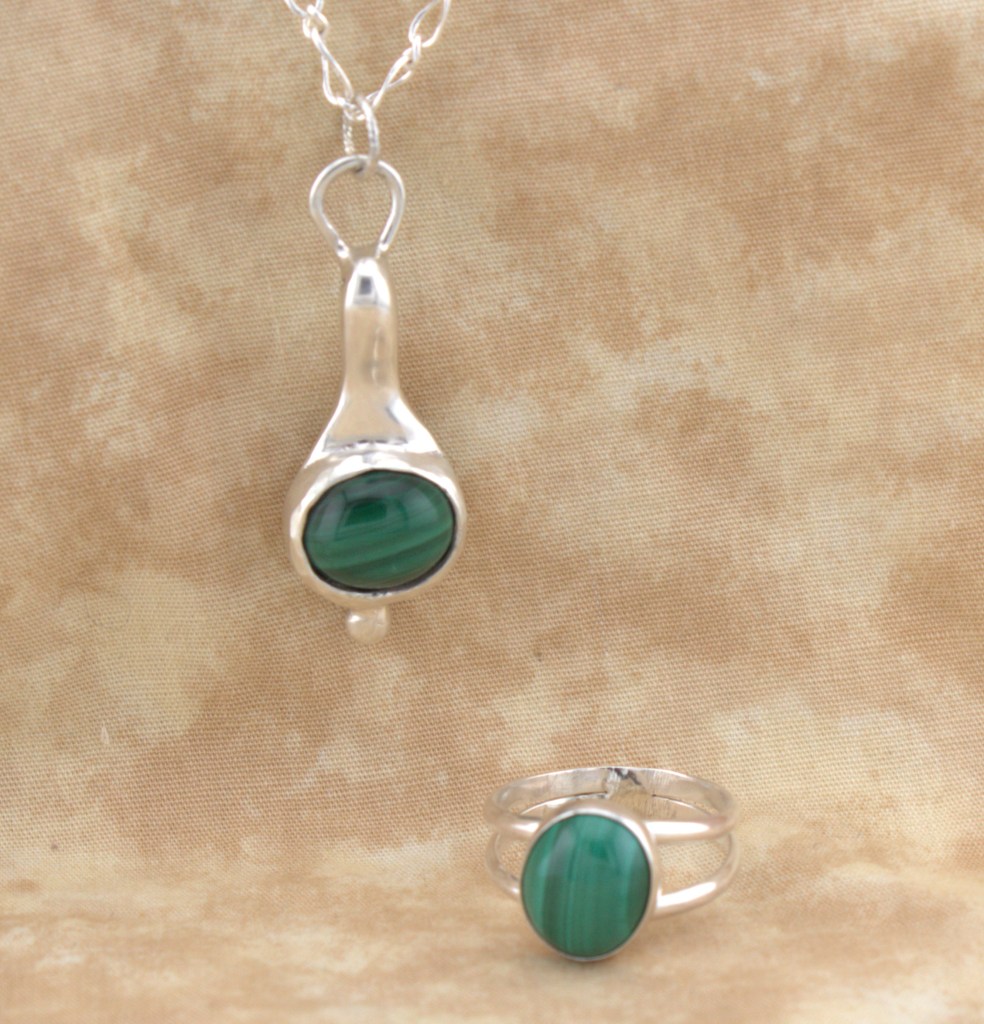

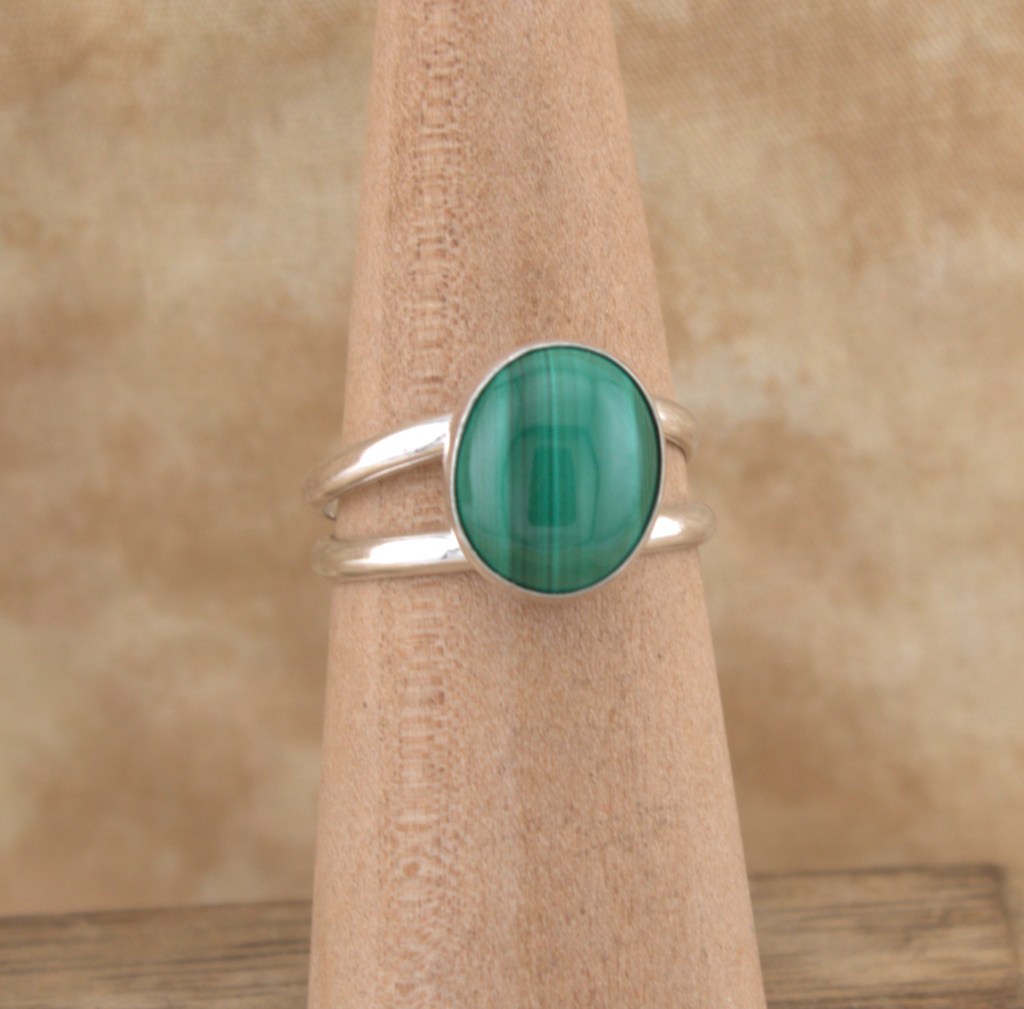

Malachite is a vibrant green copper carbonate mineral mined since 4000 BC. Ancient civilizations used it for copper ore, jewelry, cosmetics, and vibrant green paint pigments in art. Its name comes from the Greek word malache, meaning mallow plant
Ancient Egypt: Mined in the Sinai Peninsula and Suez; used as eye makeup, ground into tomb paintings, and linked to fertility, vegetation, and the afterlife
Greco-Roman World: Associated with goddesses like Juno and Artemis; worn as a protective talisman against lightning, injury, and the evil eye
The Americas: Valued by Mayan and Aztec cultures for mosaics, royal death masks, and ceremonial items
Pigments: Ground malachite created a brilliant green paint used in European icons, Renaissance panels, and potentially parts of the Sistine Chapel by Michelangelo