Posted on — Leave a comment

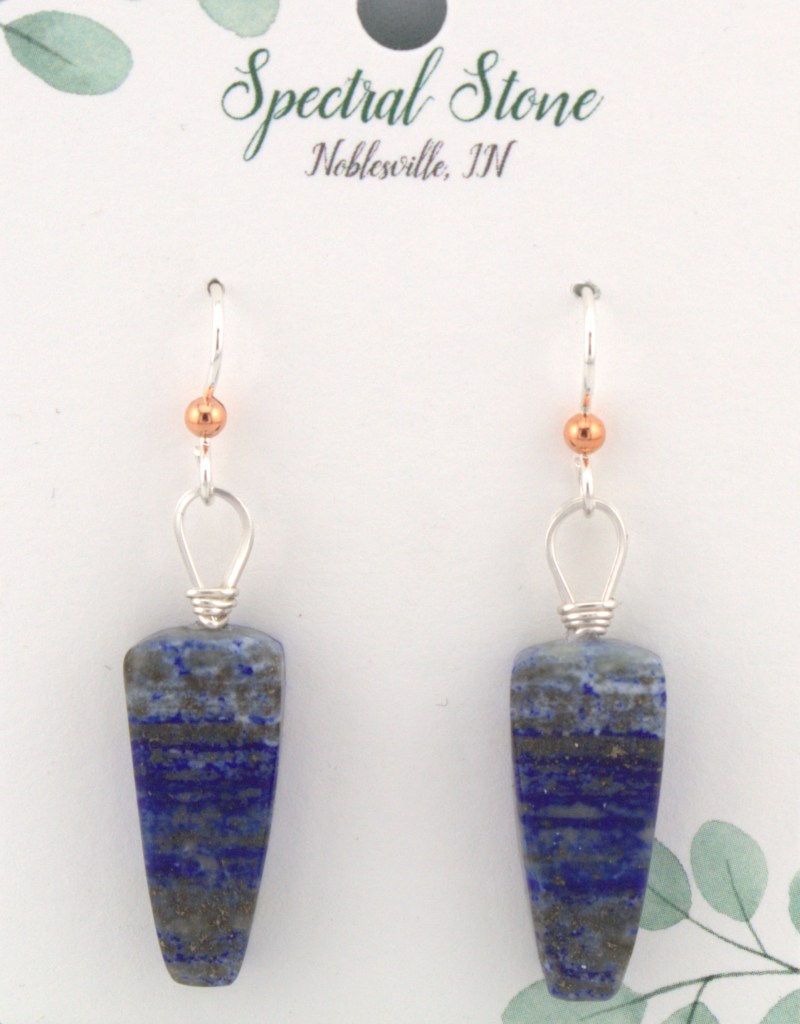
New Earrings

Lapis Lazuli

New Earrings in Brazilian Agate, Jade, Apache Warpaint and Lapis Lazuli

Brazilian agate is a popular, colorful variety of chalcedony from volcanic regions in southern Brazil (mainly Rio Grande do Sul). Formed in ancient lava cavities, it features sharp, concentric curved bands and often a central quartz or amethyst crystal core

Highly prized for its toughness, rich history, and vibrant colors—ranging from classic greens to lavender, white, and black—jade has been used for millennia to create tools, intricate carvings, and fine jewelry

Lapis lazuli is a deep blue metamorphic rock used for thousands of years as a gemstone,-, and carving material. It consists mainly of lazurite, which gives it a rich royal blue color, along with white calcite and sparkly golden pyrite specks

Apache Warpaint Jasper, also known as Desert Rose Dolomite, is a striking natural dolomite-jasper stone from Morenci, Arizona. It typically features vibrant red, orange, and yellow tones colored by iron and copper
Lapis lazuli – Wikipedia

Posted on — Leave a comment

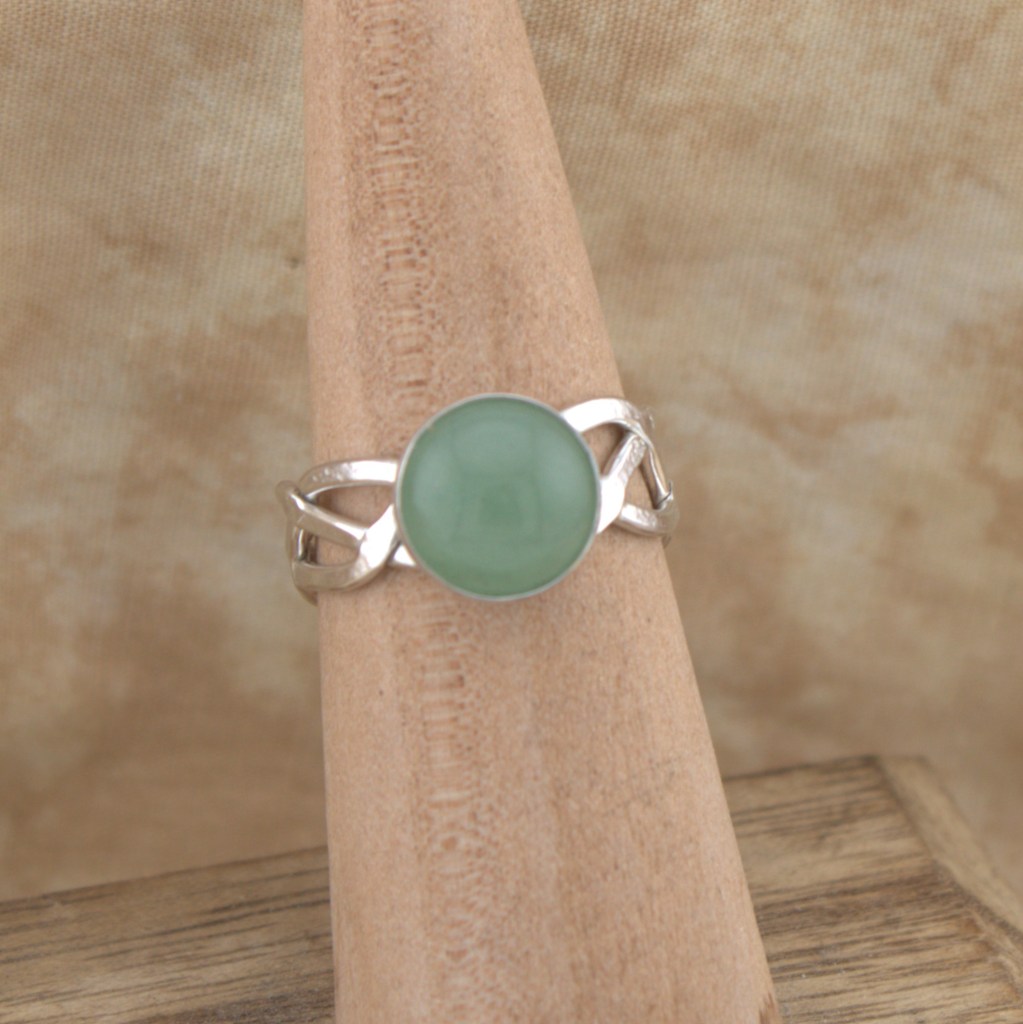
Green Aventurine

Green Aventurine

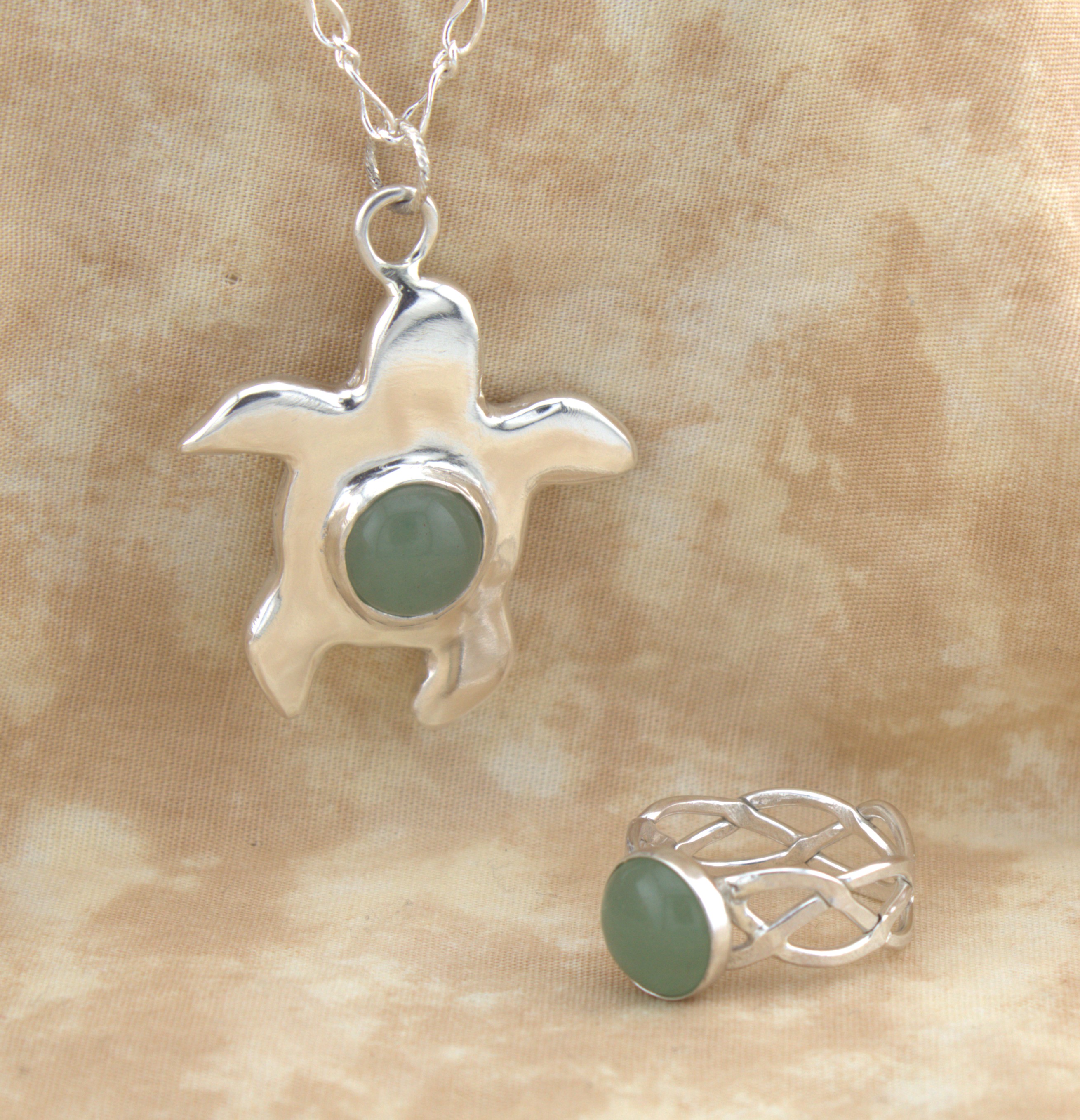
New Green Aventurine pendant and ring, in Sterling Silver.

Green aventurine gets its name from the Italian phrase “a ventura,” meaning “by chance”. This name originally described a 17th-century accidental discovery of sparkling glass in Venice, Italy, when copper filings fell into molten glass. People later applied the name to the natural quartz stone because it looked similar

Venetian Glass: Glassmakers on the island of Murano created sparkly “aventurine glass” by accident.

Mineral Transfer: When natural quartz with glittering mica or fuchsite inclusions was found, it took on the same name.

Ancient Tibet: Used to decorate statues and honor the compassionate goddess Kuan-Yin.


Ancient Greece and Rome: Linked to luck, prosperity, and the goddess of love.


Modern Beliefs: Often called the “Stone of Opportunity” or “Stone of Prosperity” to attract good fortune and fresh starts

Aventurine – Properties and Meaning of the Stone • AGLAIA United States

Posted on — Leave a comment

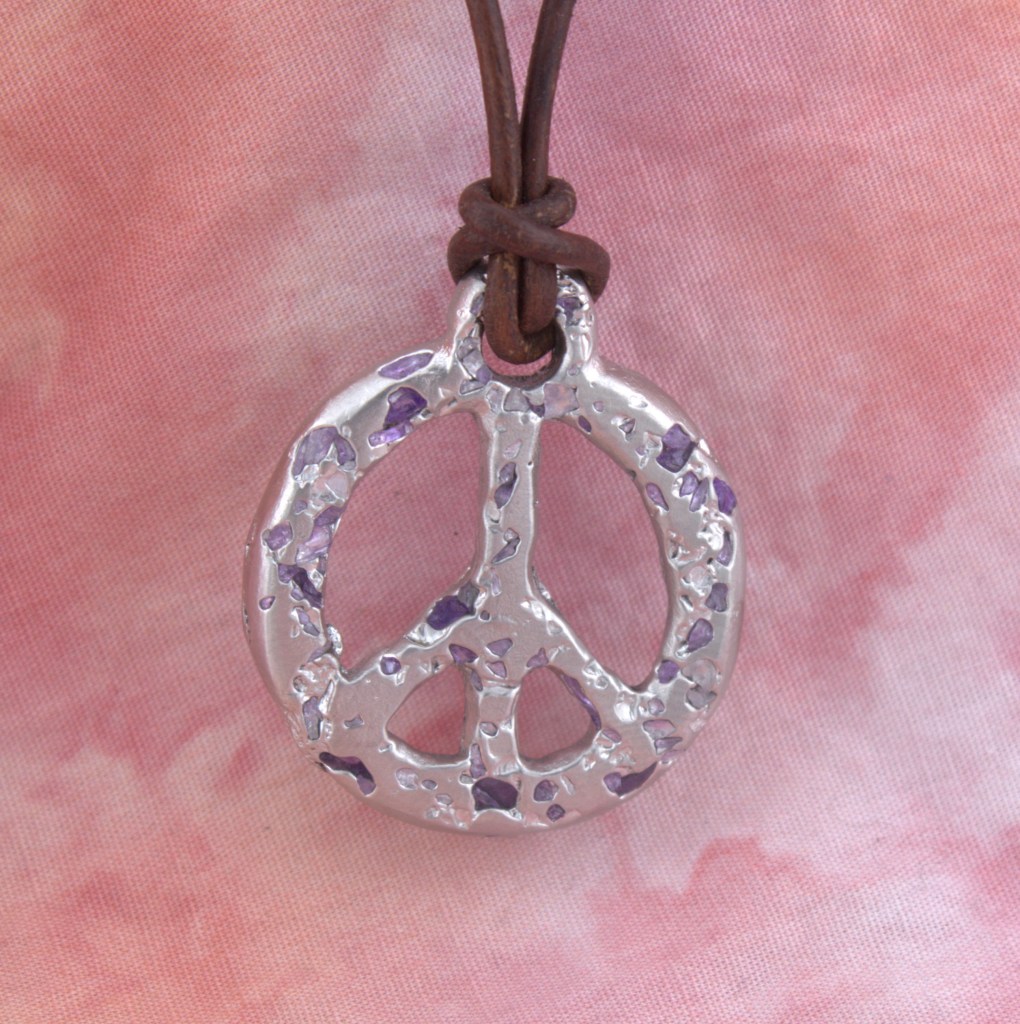
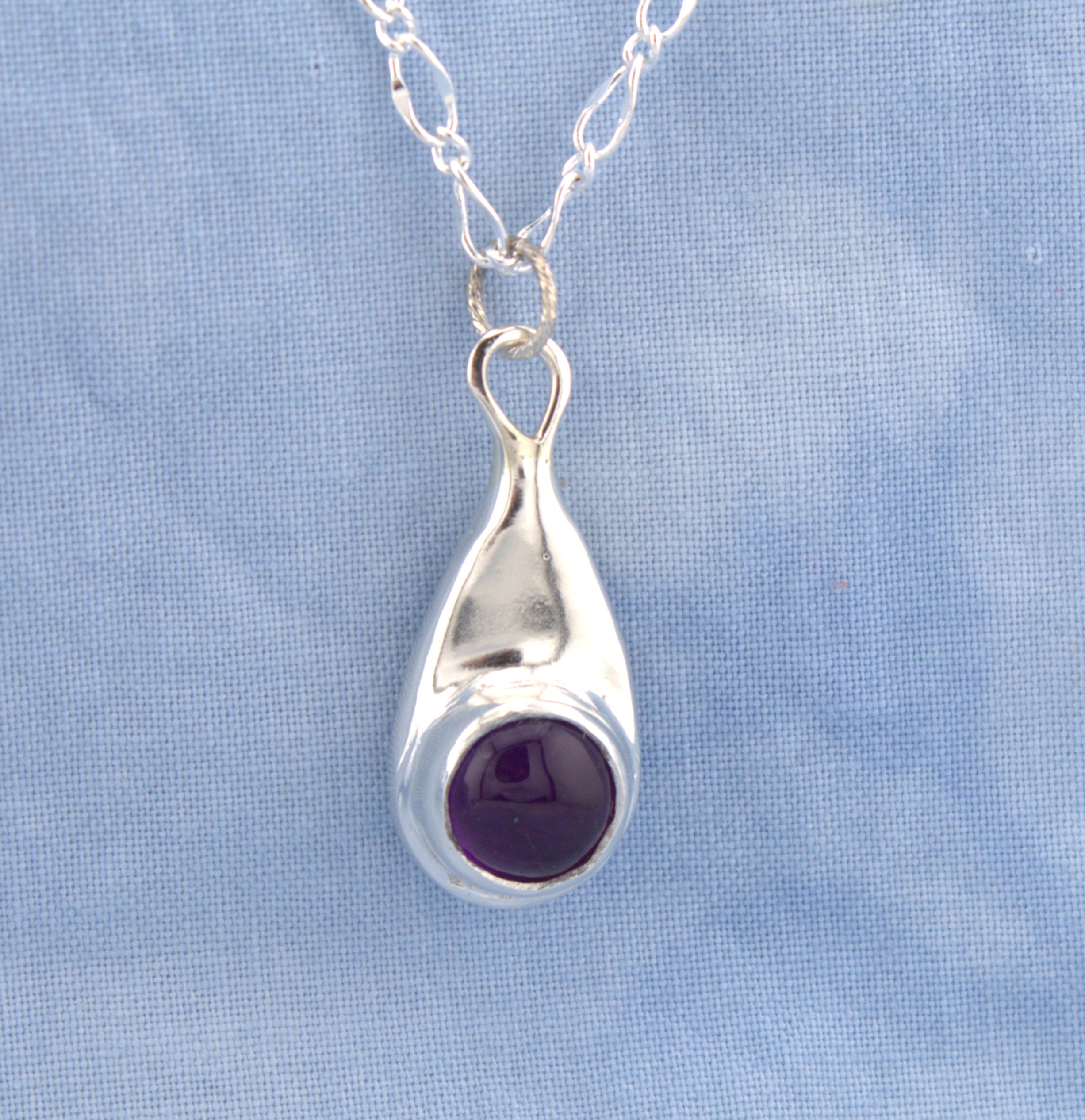
New Amethyst

Amethyst

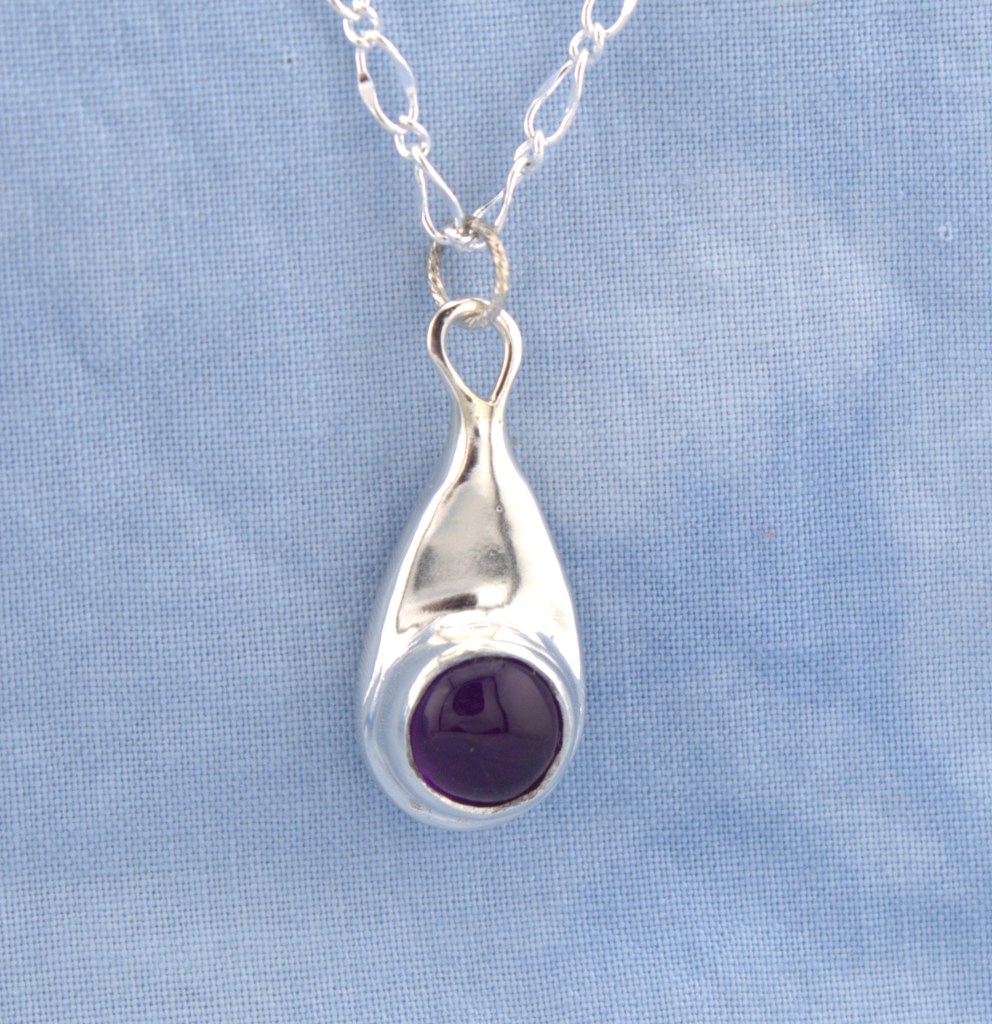
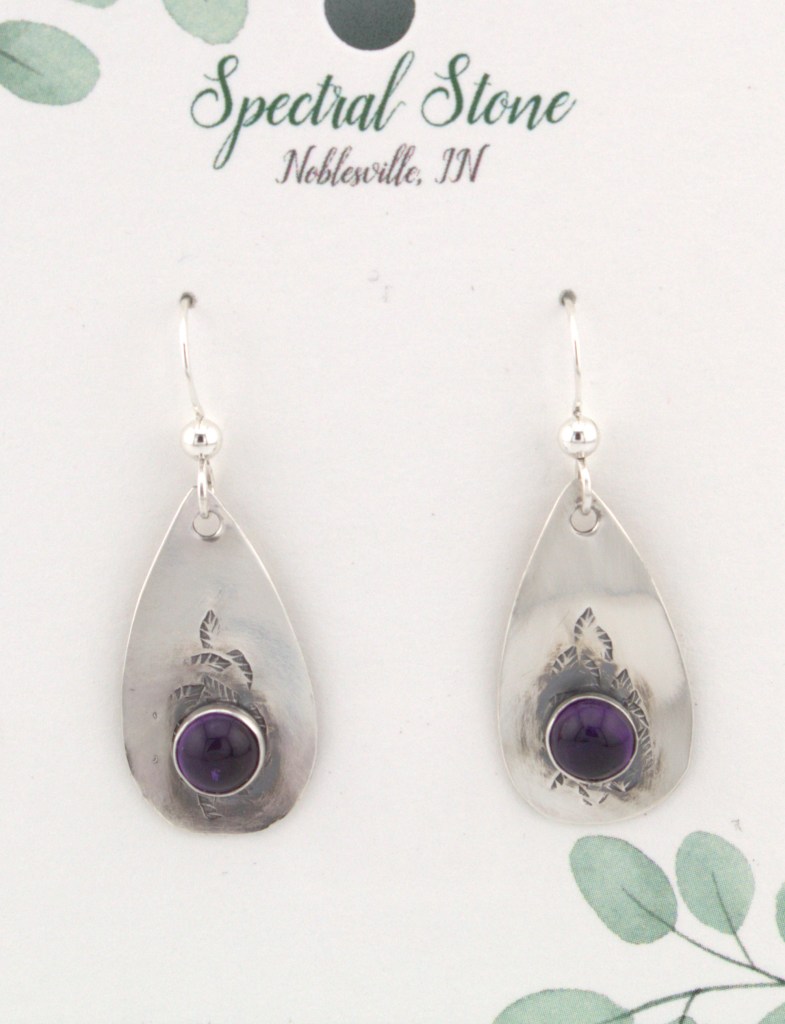
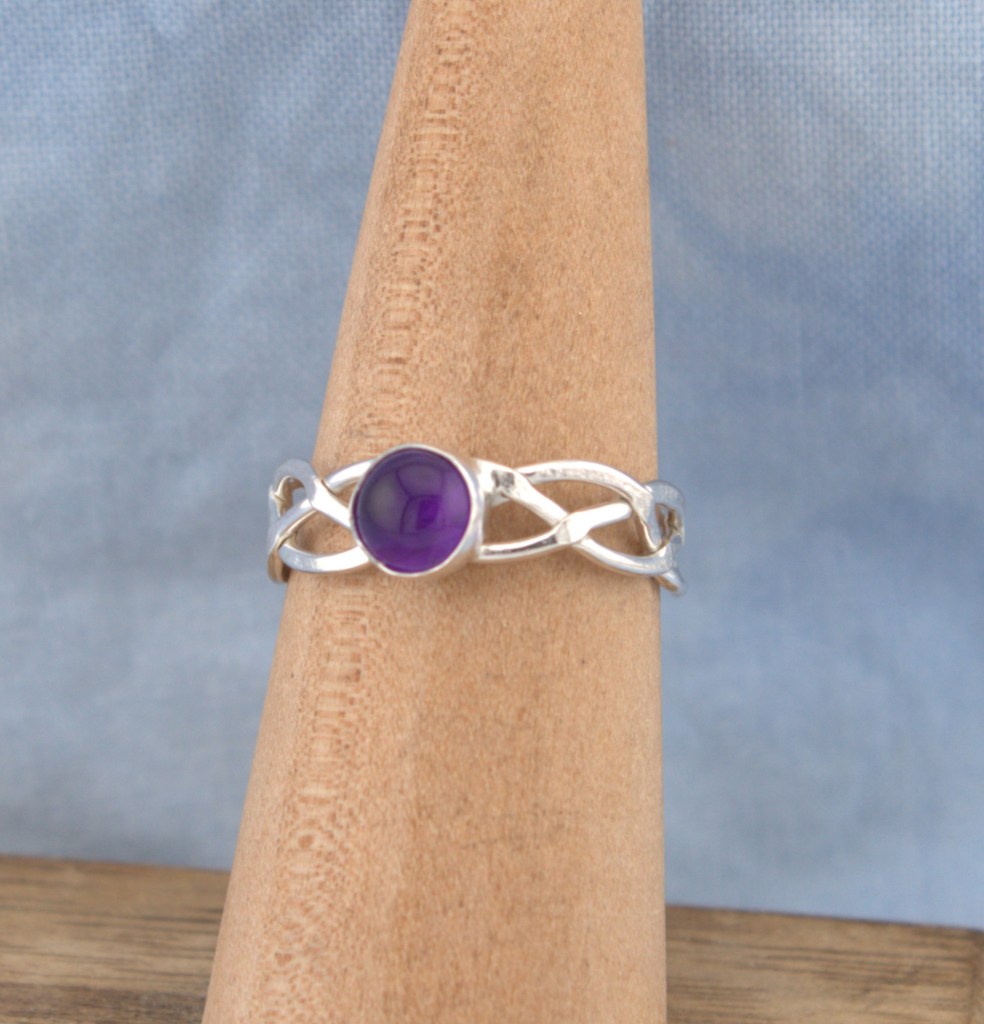
New Amethyst pendant, ring and earrings!

Amethyst has a rich history spanning over 5,000 years, marked by its use in ancient, royal, and religious traditions. Its name comes from the Greek word amethustos, meaning “not drunk”.

Ancient Lore and Mythology

  • Ancient Greece and Rome: People believed the wine-colored stone could stop drunkenness. They drank from amethyst cups to stay clear-headed.
  • The Myth of Amethyst: A famous Greek legend says the god of wine, Dionysus, wanted revenge and planned to harm a maiden named Amethyst. She prayed to the goddess Diana, who turned her into a clear stone. Regretful, Dionysus poured wine over the stone, staining it purple.

Royalty and Value

  • Ancient Civilizations: Egyptians carved amethyst into beads, amulets, and royal jewelry, dating back to around 3000 BCE.
  • Precious Status: For centuries, people valued amethyst just as much as diamonds, rubies, and emeralds.

Amethyst History and Lore

Posted on — Leave a comment

New Earring Colors

montana

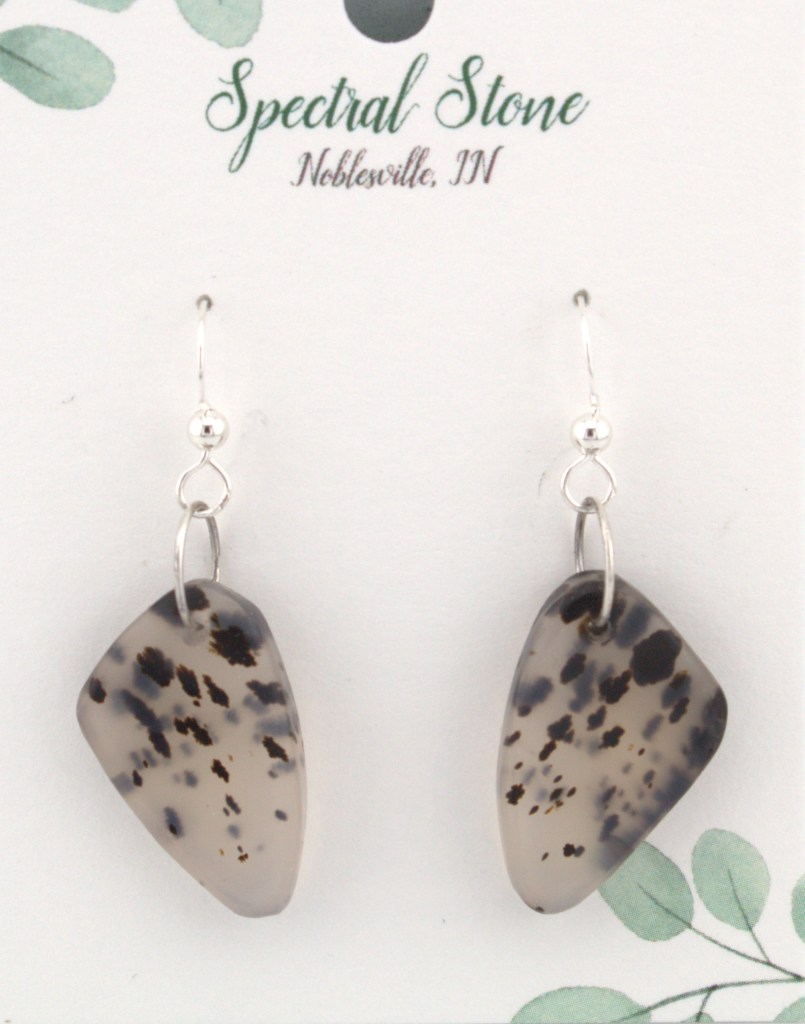
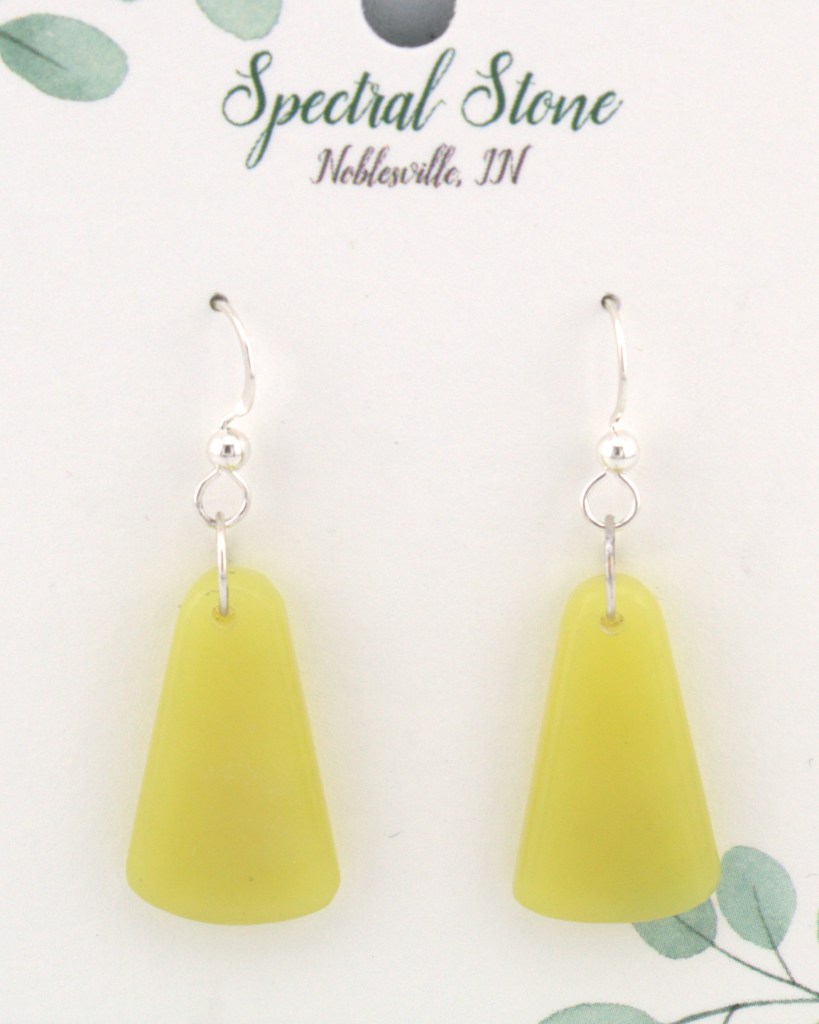
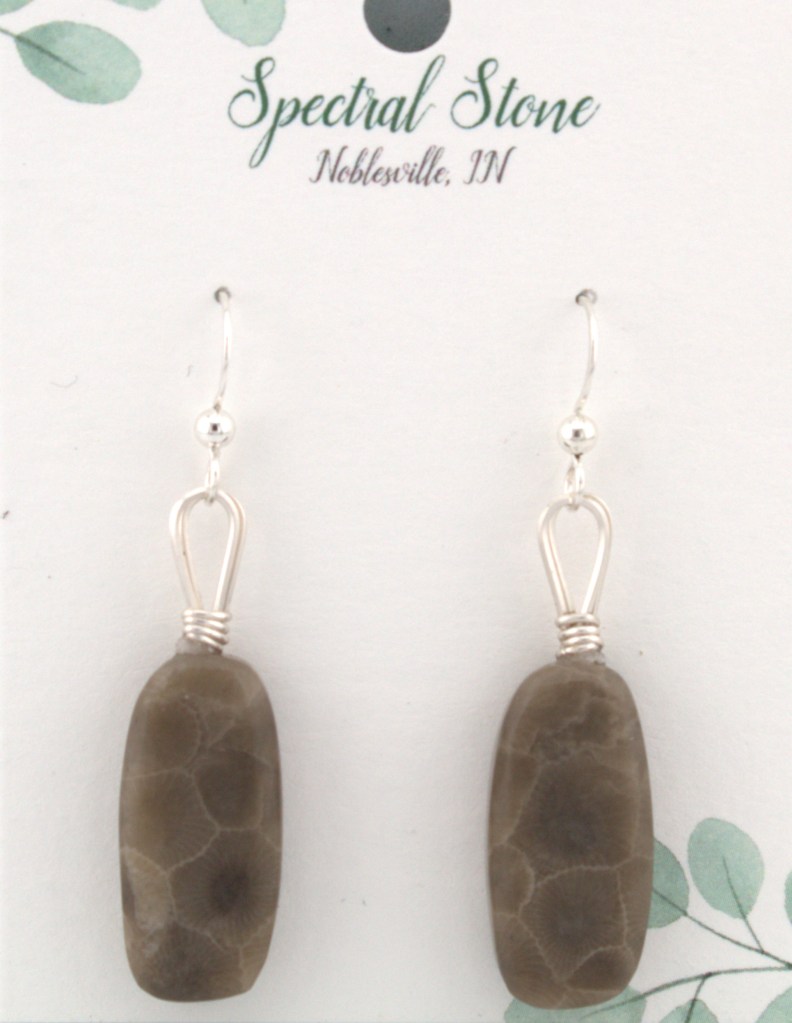
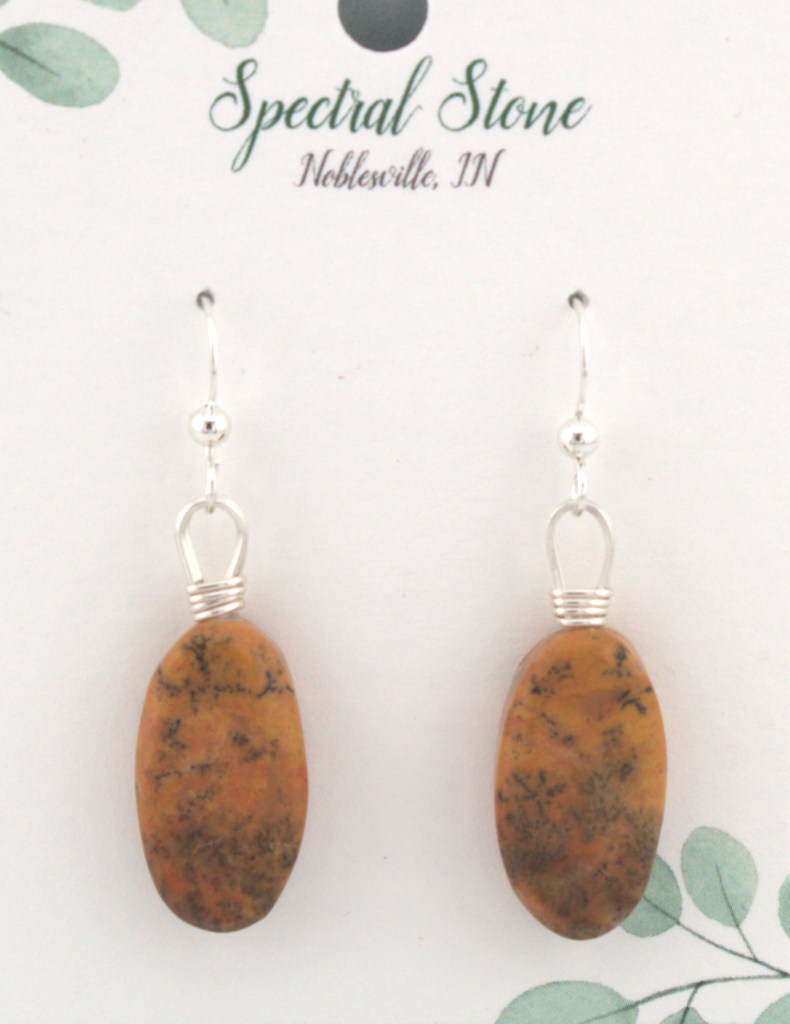
New Earring Colors in Angelite, Montana Moss Agate, Lemon Jade, Petoskey and Apache Warpaint

All are set on Sterling Silver Ear Wire.

The history of earrings dates back over 5,000 years, evolving from an ancient symbol of masculine power, religious status, and tribal identity into a global staple of modern fashion. Archaeologists have tracked their usage across early human civilizations, discovering that the earliest adopters were frequently men of high standing

The Classical and Medieval Eras (400 BCE – 1400 CE)

  • Greece & Rome: In Greek and Roman societies, earrings transitioned into a primarily feminine accessory crafted from gold, pearls, and sapphires. When men did wear them, it was typically an indicator of enslavement or foreign status.
  • The Medieval Disappearance: During the European Middle Ages (5th to 14th centuries), earrings completely vanished from mainstream fashion. This was due to religious prohibitions from the Catholic Church and the rise of high collars, elaborate wigs, and heavy head coverings that obscured the ears entirely

A Brief History of Earrings | Gemporia