Posted on — Leave a comment

Larimar from the Caribbean

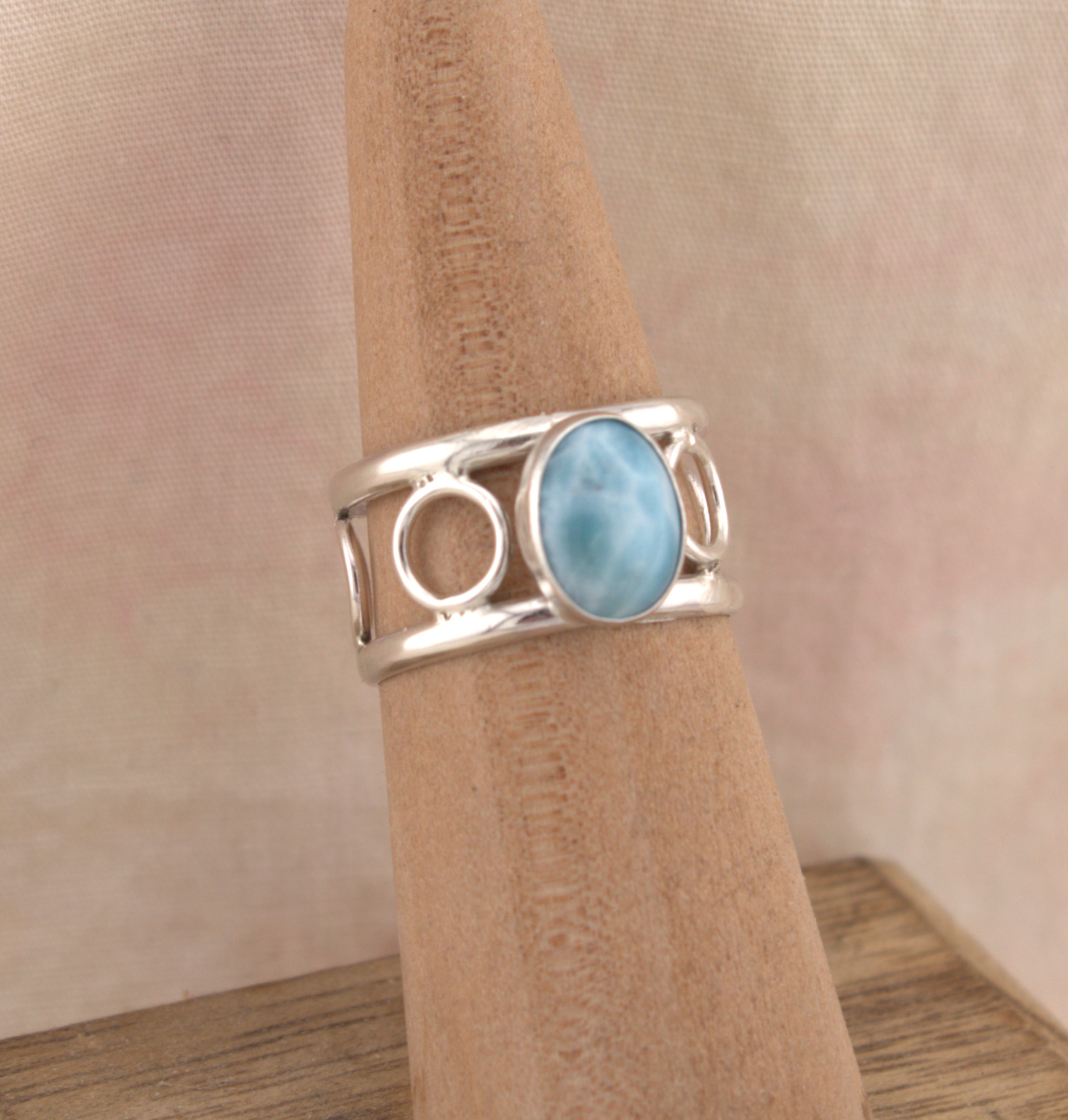
Larimar ring

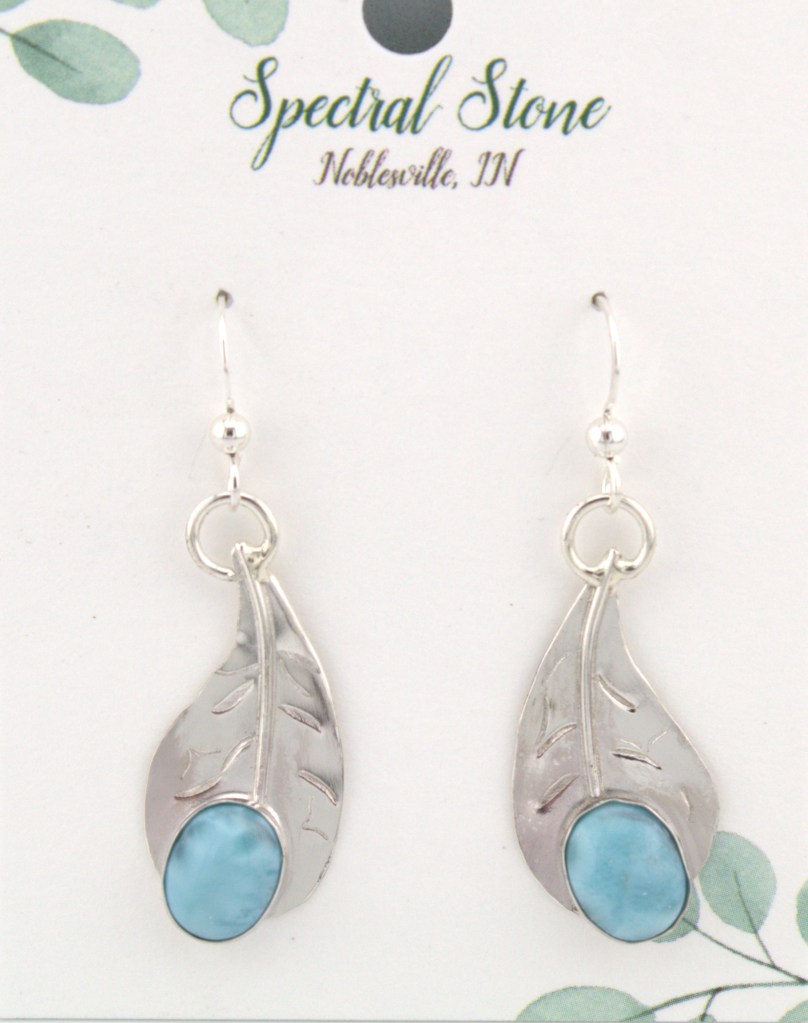
Lovely Larimar from the Caribbean, only found in the Dominican Republic. Rings, pendants or earrings available individually or in a set.

Larimar is a rare blue pectolite found exclusively in the Barahona province of the Dominican Republic. Though initially noted in 1916, it was officially rediscovered in 1974 by artisan Miguel Méndez. It was named after his daughter Larissa and the Spanish word for the sea (mar)

1916: Spanish priest Father Miguel Domingo Fuertes de Loren discovered the first samples and requested mining rights. However, the request was denied as the stone’s nature was unknown.


1957: Local inhabitants in a small fishing village began finding blue fragments washing up on the beaches. Initially, they believed these fragments originated from the ocean.


1974: Dominican artisan Miguel Méndez and American Peace Corps volunteer Norman Rilling traced the washed-up stones up the Bahoruco River. They found that the stones came from a mountain source.


1979: The Smithsonian Institution analyzed samples, officially classifying the stone as a unique blue variety of pectolite

Home – Dominican-Larimar.com

Posted on — Leave a comment

Beautiful Seraphinite

Seraphinite

Beautiful Seraphinite pendants, earrings and ring individually or as a set.

The name Seraphinite comes from the biblical seraphs or seraphim angels. Seraphinite is mined in a limited area of eastern Siberia in Russia. Often called green chlorite, it’s typically a deep forest green with silvery, feather-like additions of mica. Rarely, it can appear in variations of red, yellow, gold, or black. Seraphinite stone’s name derives from the Greek word seraphim, meaning “winged heavenly being,” because of its iridescent, feather-like fibers. The fibers have a likeness to silver, feathery wings flying within a gem of deep forest green.

Seraphinite, scientifically known as clinochlore, was first described in the late 19th century by Russian mineralogist Nikolay Koksharov. Mined almost exclusively in the Lake Baikal region of Siberia, its poetic name was coined because its chatoyant, feathery-like filaments resemble the wings of the celestial Seraphim angels

The Origin of the Name: The name “Seraphinite” is a modern trade name rather than a scientific classification. It pays homage to the Seraphim, a high-ranking order of angels in Judeo-Christian tradition that is said to possess three pairs of wings. The stone’s deep, dark-green base is overlayed with iridescent, silver fibers that shimmer when the crystal is rotated, heavily mimicking the visual appearance of a celestial wing

Seraphinite Gemstone: Properties, Meanings, Value & More

Posted on — Leave a comment

34th Annual Covington Art Fair

art

Spectral Stone will be at the 34th Annual Covington Art Fair in Ft. Wayne Indiana this weekend! Hope to see you there!

The 34th Annual Covington Art Fair in Fort Wayne, Indiana, takes place at Covington Plaza on June 27 and 28, 2026. The event showcases fine art across media like painting, jewelry, and pottery. Admission is free.

Key Event Details

  • Dates: June 27 – June 28, 2026
  • Hours: Saturday from 10:00 AM to 5:00 PM; Sunday from 11:00 AM to 4:00 PM
  • Location: Covington Plaza, 6382 W. Jefferson Blvd., Fort Wayne, IN 46804
  • Cost: Free admission and parking

What to Expect

  • 100 Artists: A curated selection of Midwest artists and makers showcase their original, unassisted artwork.
  • Varied Mediums: Available arts include textiles, jewelry, glassblowing, woodworking, photography, and oil/watercolor paintings.
  • Plaza Amenities: Held outdoors along the walkways of Covington Plaza, allowing attendees to easily browse art alongside the plaza’s local boutiques, salons, and restaurants

Larimar Archives | Spectral Stone Lapidary Arts

Posted on — Leave a comment

Sterling Silver Earrings

Sterling Silver Earrings

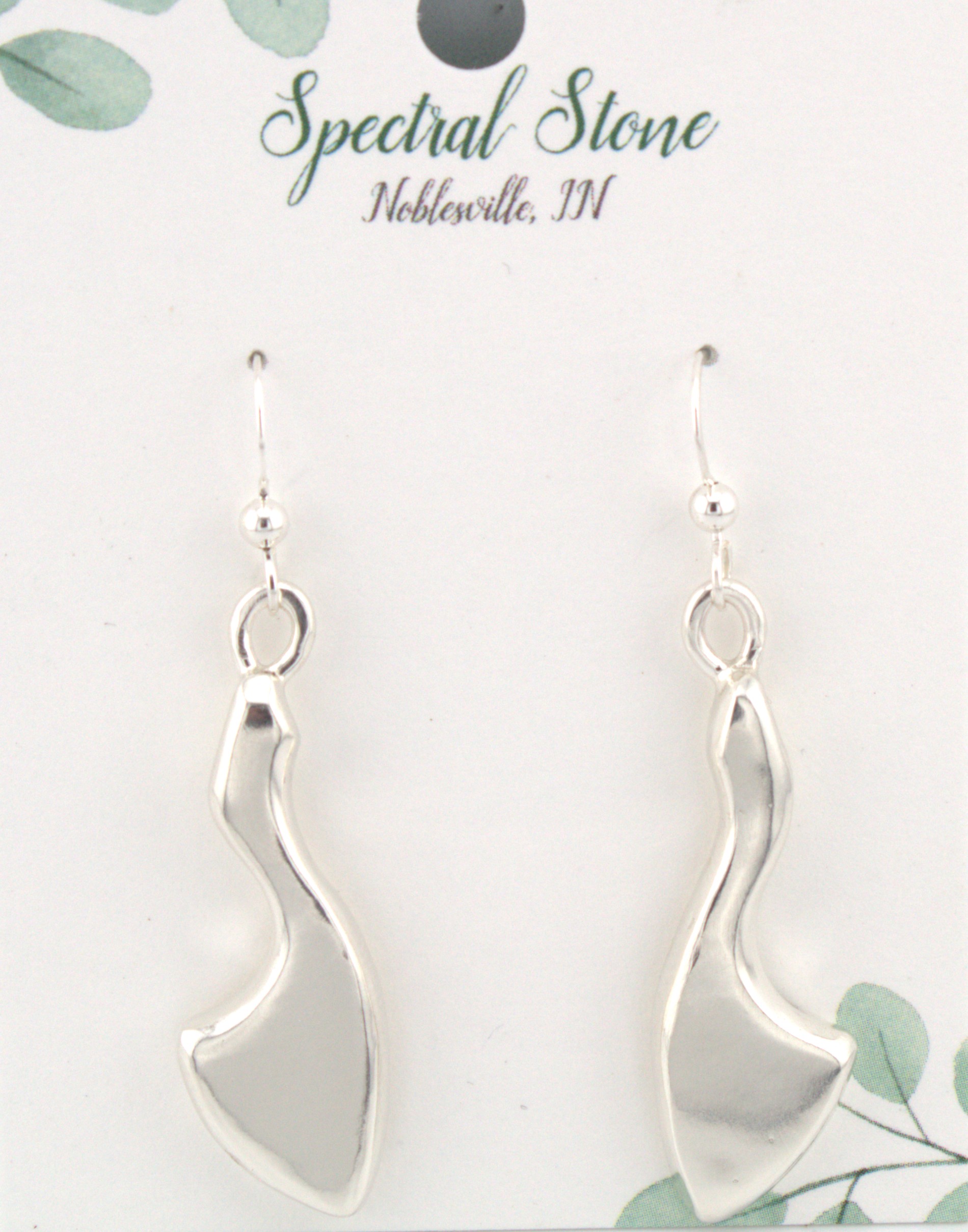
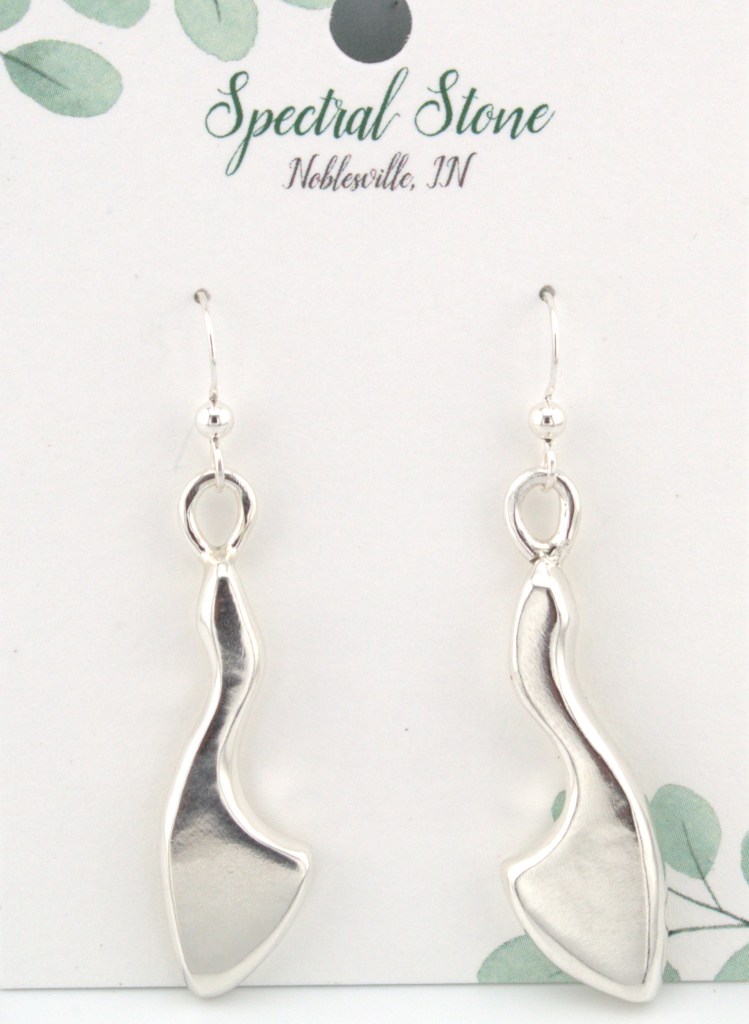
Sterling Silver earrings on Sterling Silver ear wires. Sterling silver is an alloy made of 92.5% pure silver and 7.5% other metals (typically copper). Because pure silver is too soft for everyday use, this specific mixture is used to add the necessary durability and strength for jewelry and silverware. In addition, it maintains the metal’s iconic bright shine.

A Quick Timeline of Sterling Silver

  • 12th Century (Origins): The term “sterling” is believed to derive from the “Easterlings,” a group of 12th-century northern German merchants. Their pure, reliable silver coins were highly valued in trade throughout England.
  • 1275 (Legal Standardization): King Edward I of England officially enshrined the 92.5% silver standard in law to regulate coinage and wares. This was the foundation of the modern 925 stamp.
  • 14th Century (Hallmarking): The English implemented hallmarking to prevent fraud. They established a formal system to certify quality, such as the famous Lion Passant mark.
  • 19th Century (American Expansion): Silversmithing flourished in the United States. Iconic brands like Tiffany & Co. gained global recognition, winning gold medals for their intricate sterling silverware at international expositions

The History and Significance of 925 Sterling Silver – The Collective Jewelry & Gems

Posted on — Leave a comment

Black River Agate

Black River Agate pendant

Black River Agate set in cast Sterling Silver. Black River agate is a naturally water-worn, banded agate sourced primarily from the Entre RĂ­os Province in Argentina. Prized by collectors, it typically features beautiful, shifting layers of cream, beige, brown, and sometimes blue or subtle black, and is often sold as cut-and-polished specimens or rough nodules.

Appearance: Features prominent fortification banding with earthy tones.
Origin: Though found in the rivers of Argentina, geologists believe they originated in Brazil and were deposited by ancient flooding.
Sizes: Can range from small, pocket-sized palm stones to massive 300-pound nodules.
Uses: Highly sought after for mineral collections, wire wrapping, and lapidary cutting/tumbling

Agates from Argentina are celebrated globally for their brilliant natural colors, intricate banding, and stunning “fortification” patterns.

Agates from Argentina. – GemologyOnline.com