Posted on Leave a comment

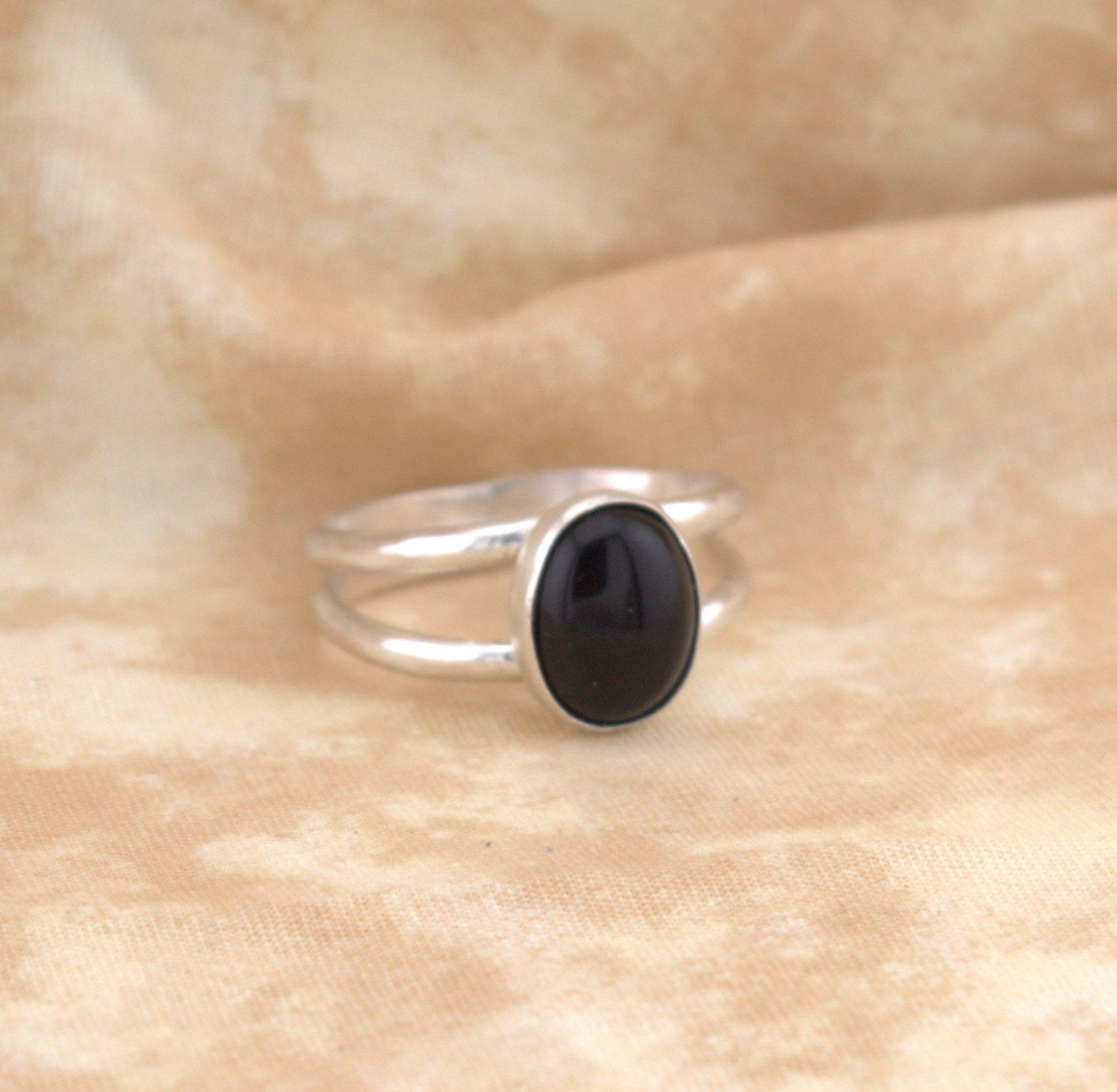
New Double Band Sterling Silver rings

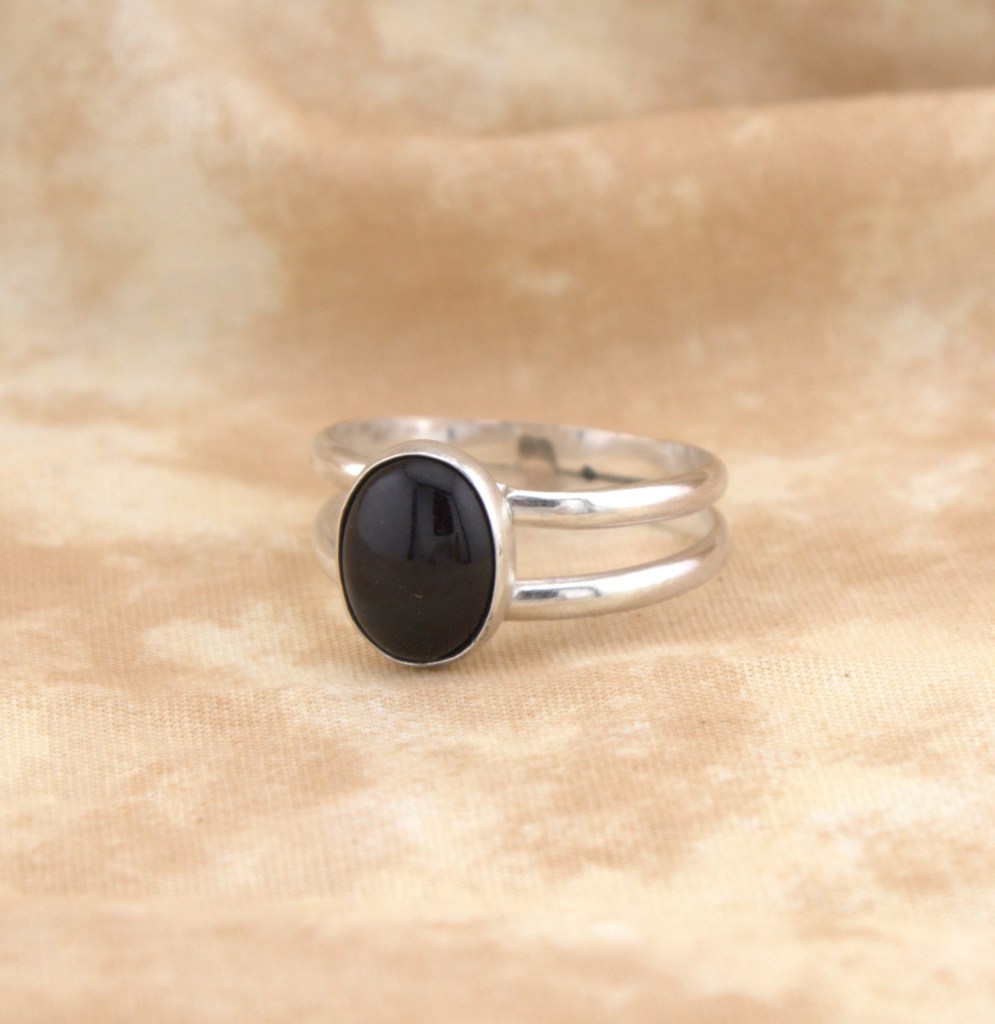
black onyx ring in sterling silver

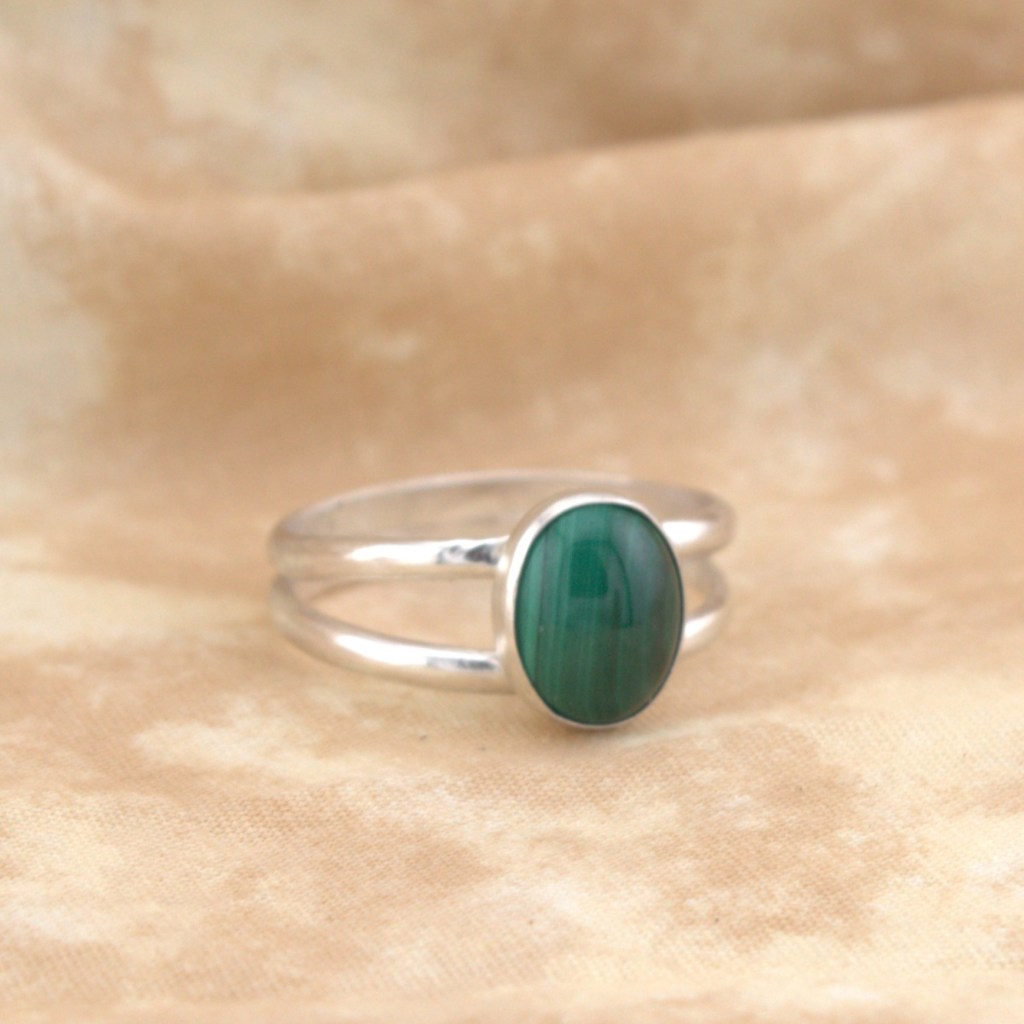
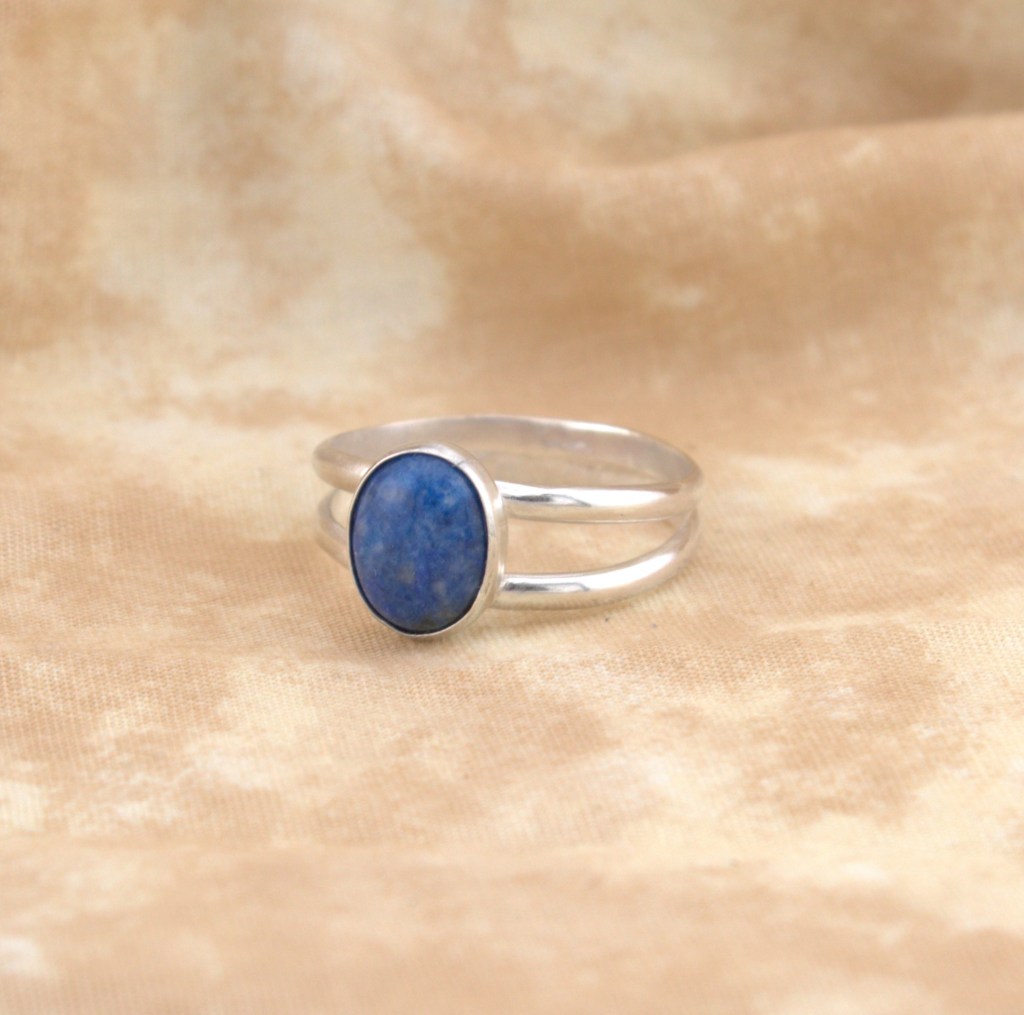
New Double Band Sterling Silver rings with Carnelian, Lapis Lazuli, Black Onyx and Malachite.
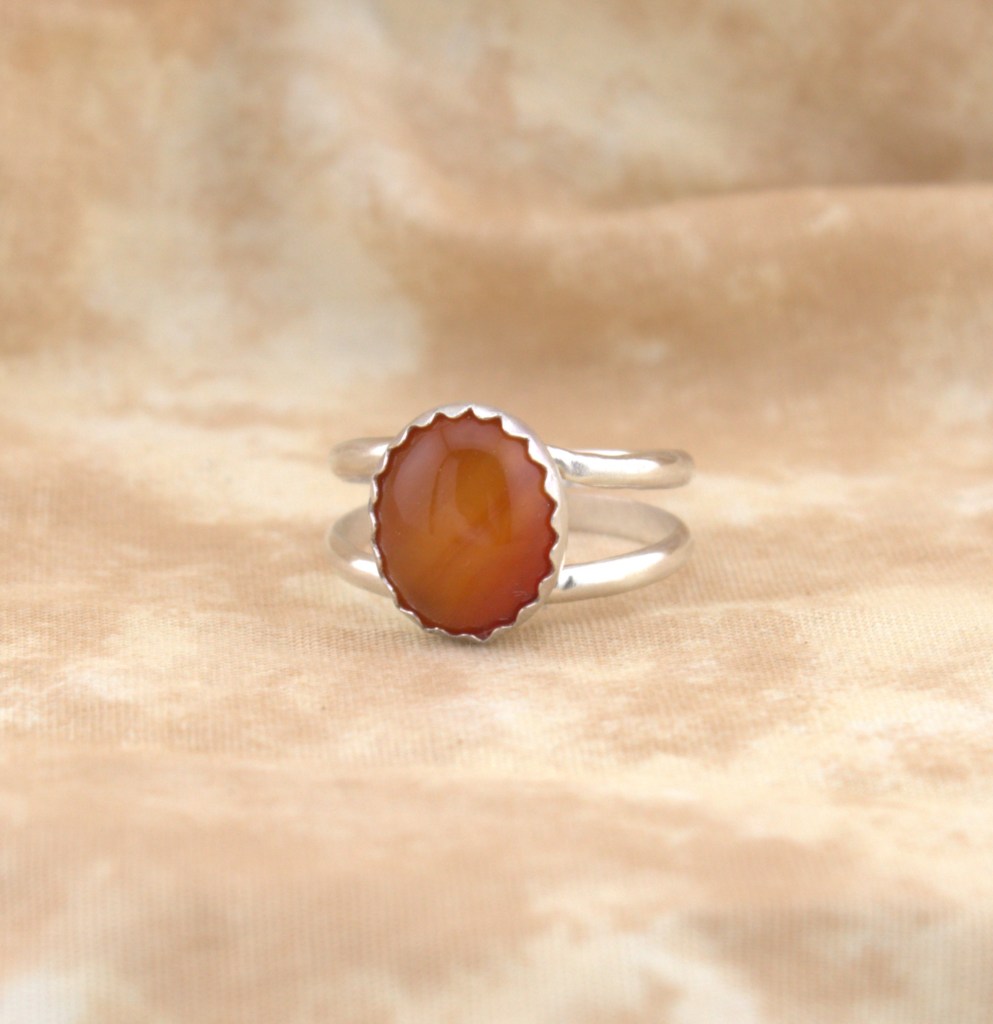
Carnelian has a long history, dating back to ancient times. It has been valued across many civilizations for its beauty and perceived protective and symbolic properties. Ancient Egyptians associated it with the sunset, using it for jewelry and amulets to protect the dead. In Greece and Rome, it was linked to courage and authority. It was commonly used for signet rings for sealing documents.

Lapis lazuli has a long history, used since at least the 4th millennium BC by the ancient Egyptians. They imported it from Afghanistan for jewelry, amulets, and the tomb of Tutankhamun. It was prized across many cultures for its deep blue color, symbolizing divinity, wisdom, and power. Later, it was famously ground into the pigment ultramarine for use in art, particularly during the Renaissance and Islamic Golden Age.

Malachite has a long history, dating back to ancient Egypt where it was mined as early as 4000 BCE. It was used for protective amulets, carvings, and green eye paint. It was believed to symbolize fertility and new life. Ancient cultures in Greece and Rome also used it for protection and ornamentation.

Gemstone Lore

Posted on Leave a comment

Sterling Silver and Moonstone

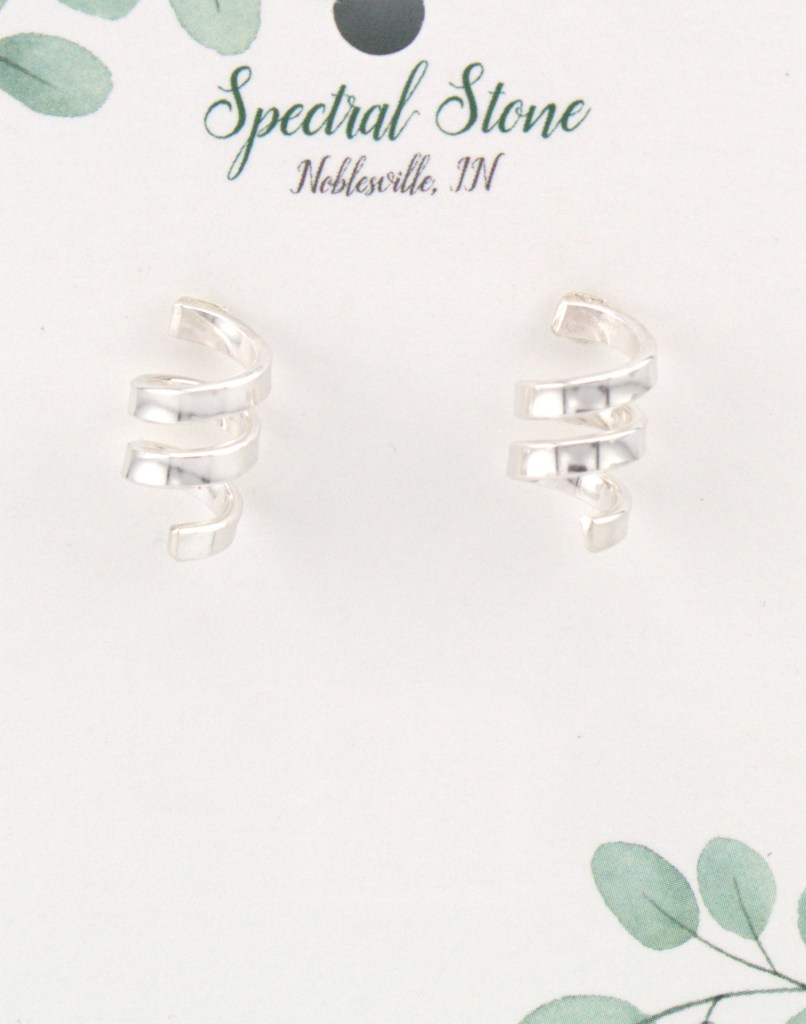
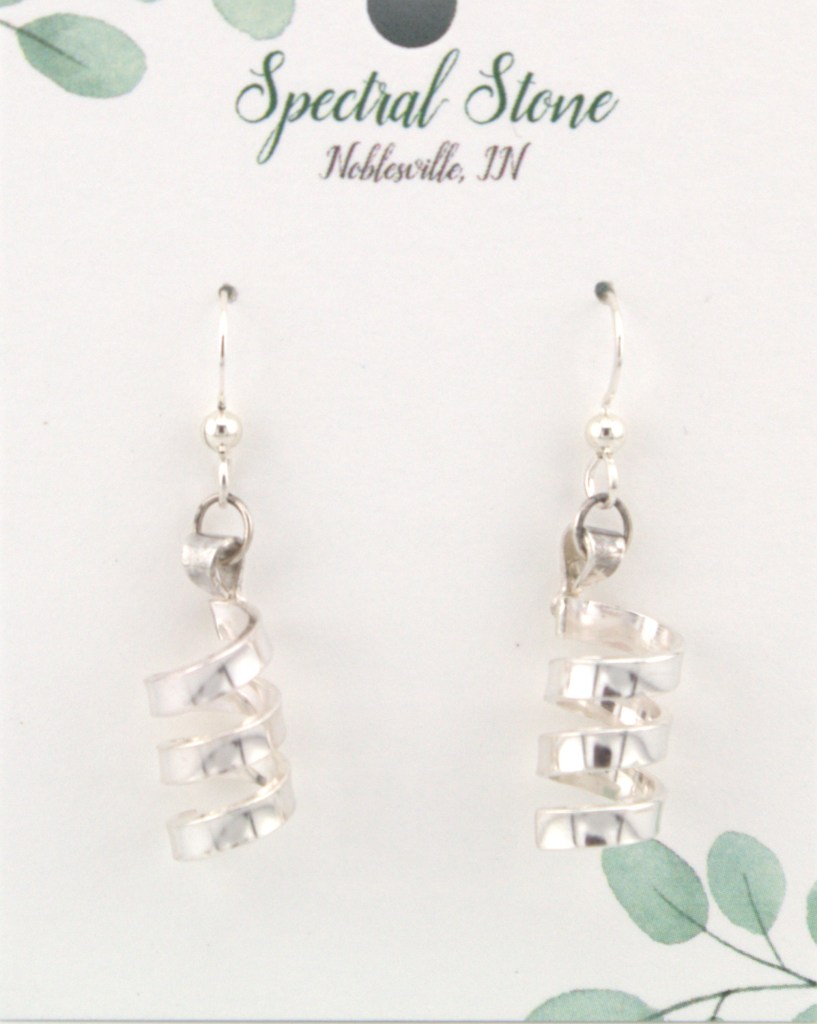
Sterling Silver and Moonstone earrings with Sterling ear wires.

Moonstone is a feldspar gem composed of two feldspar minerals, orthoclase and albite, known for its characteristic adularescence, a glowing, billowy effect caused by light scattering through its stacked layers. It is the birthstone for June, is the official state gem of Florida, and is mined in countries like Sri Lanka, India, and Madagascar. While it is used in jewelry, its low hardness on the Mohs scale requires care to prevent cracking.  

Sterling silver is a durable and beautiful alloy of 92.5% pure silver and 7.5% other metals, typically copper, which makes it strong enough for everyday wear. It is often marked with “925,” “Sterling,” or “SS” to denote its authenticity. Sterling silver is affordable, does not rust, but does tarnish, which can be minimized with proper care and cleaning. 

What is sterling silver? | U.S. Geological Survey

Posted on Leave a comment

Beautiful New Earrings

amethyst earrings in sterling silver

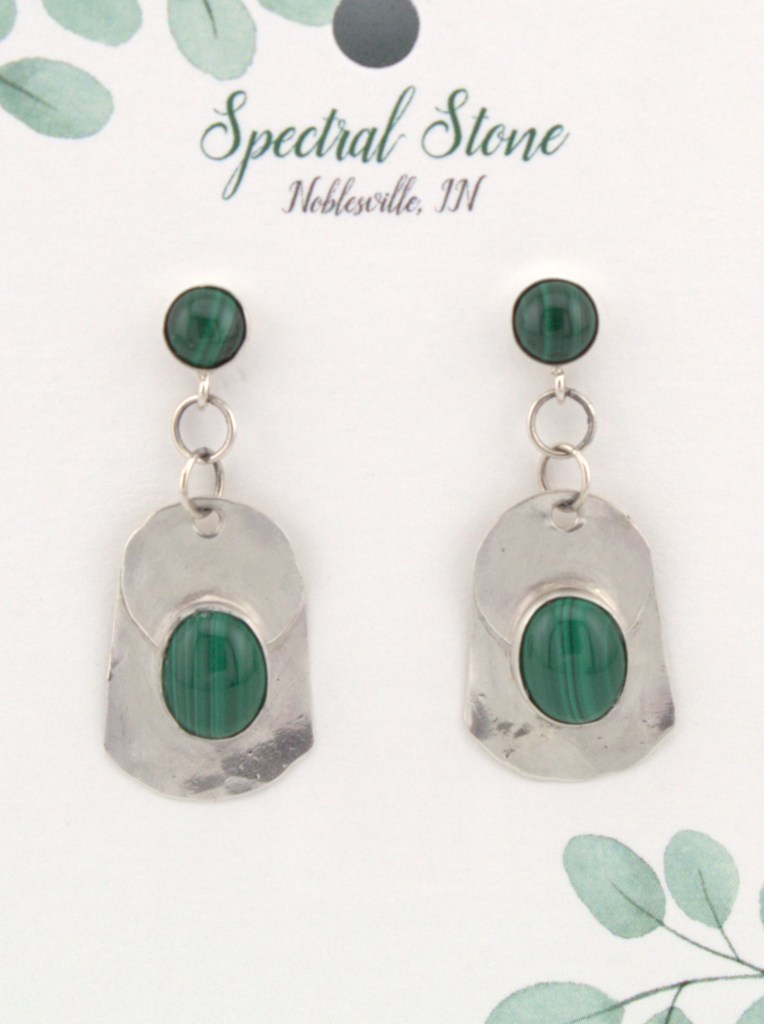
Beautiful new earrings in Malachite, Amethyst and Rose Quartz with Green Aventurine. All set in Sterling Silver.

Amethyst is important for its historical and cultural significance, its beauty as a gemstone, and its association with spiritual and mental well-being. Although it lacks scientific evidence for its claimed healing properties, it symbolizes calmness, wisdom, and spirituality. It has been used for centuries in jewelry, religious objects, and talismans to promote tranquility, clarity, and protection from negative energy.

Malachite is a green copper carbonate mineral with unique banding. It is known for its historical use in pigments, jewelry, and sculpture. This mineral is relatively soft (3.5-4 on the Mohs scale). It is found in locations like the Democratic Republic of the Congo and Australia. Malachite has chemical and metaphysical properties that have been valued for thousands of years.

>Rose quartz has a long history dating back to ancient civilizations. It was used as a symbol of love and beauty in cultures like the Assyrians, Romans, and Egyptians. Ancient Greeks associated it with the love story of Aphrodite and Adonis. They believed their blood stained the stone pink. The Romans used it as a seal for ownership, while ancient Egyptians used it in facial masks to prevent aging.

Posted on Leave a comment

New Seraphinite

Seraphinite pendant in sterling silver

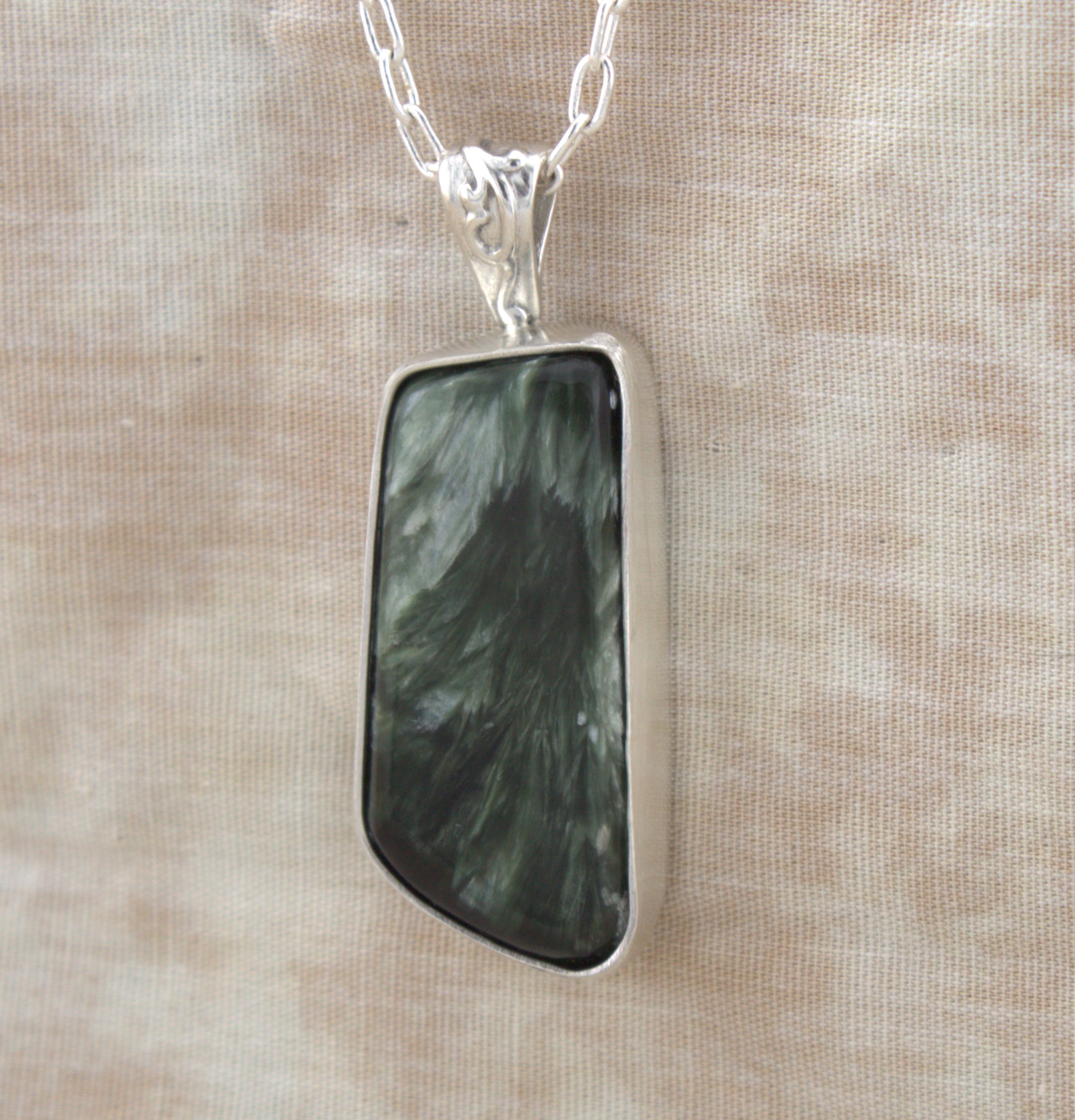
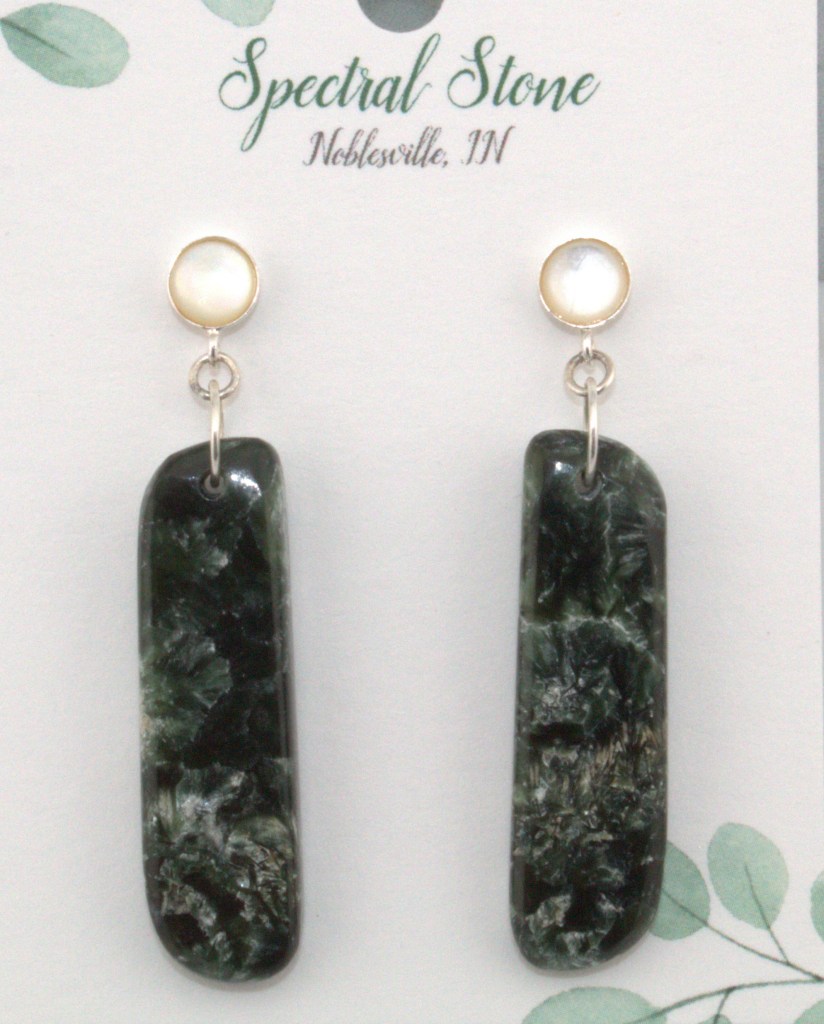
New Seraphinite pendant, ring and earrings with Mother of Pearl accent stones. Set in Sterling Silver. The latest New Seraphinite designs bring elegance and uniqueness to your collection.

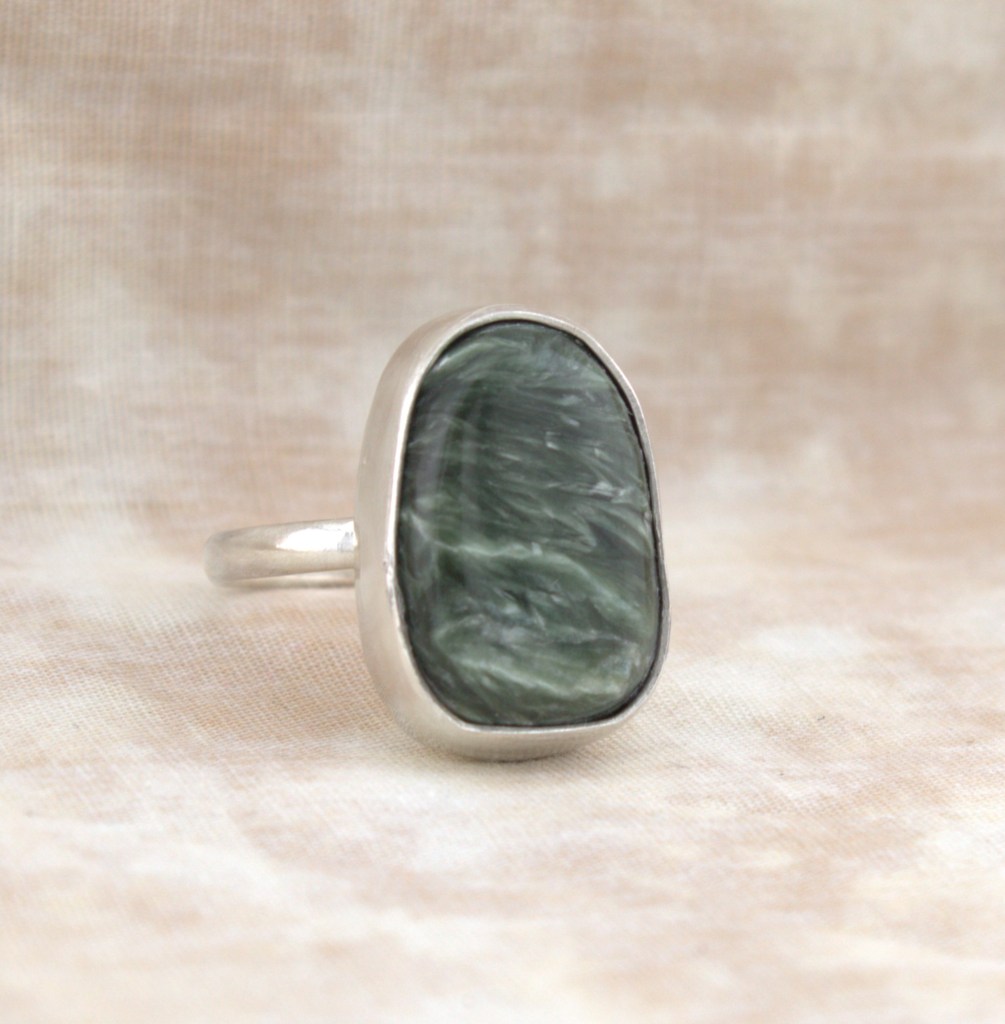
Seraphinite is a green to grayish-green variety of clinochlore, a mineral in the chlorite group, known for its distinctive feathery, silvery inclusions that resemble angel wings. It is a soft stone with a Mohs hardness of 2–2.5, making it best suited for collectors or for protective jewelry settings like pendants and earrings, and is mined in Siberia. In lithotherapy, it is associated with spiritual growth, divine connection, and healing, which makes new pieces crafted with Seraphinite particularly appealing. 

Mineralogical and physical properties of New Seraphinite add to its allure and uniqueness.
  • Composition: A magnesium-iron-aluminum silicate, specifically a variety of the mineral clinochlore.
  • Color: Typically green, with shades ranging from light to dark green, often with silvery or white fibers.
  • Hardness: 2 to 2.5 on the Mohs scale, making it a relatively soft and delicate stone.
  • Luster: Pearly, dull, or greasy.
  • Cleavage: Perfect in one direction.
  • Origin: Primarily found in Siberia, Russia.
  • Unique features: Its name comes from the resemblance of its silvery inclusions to angel wings, and it is sometimes called “angel stone”. New discoveries in Seraphinite offer fresh perspectives on this gem’s beauty.

Seraphinite Gem Guide and Properties Chart

Posted on Leave a comment

New Citrine

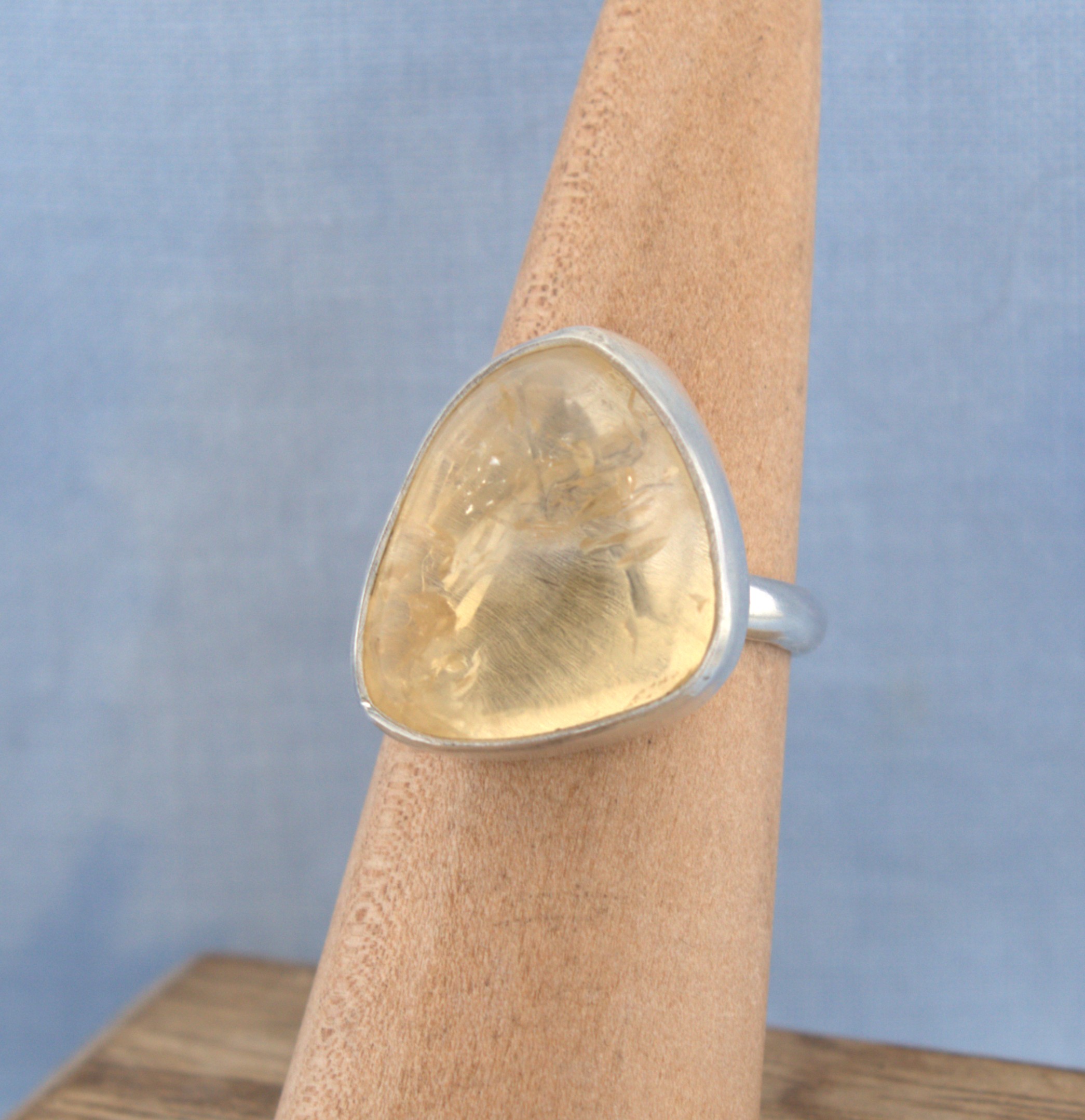
citrine ring in sterling silver

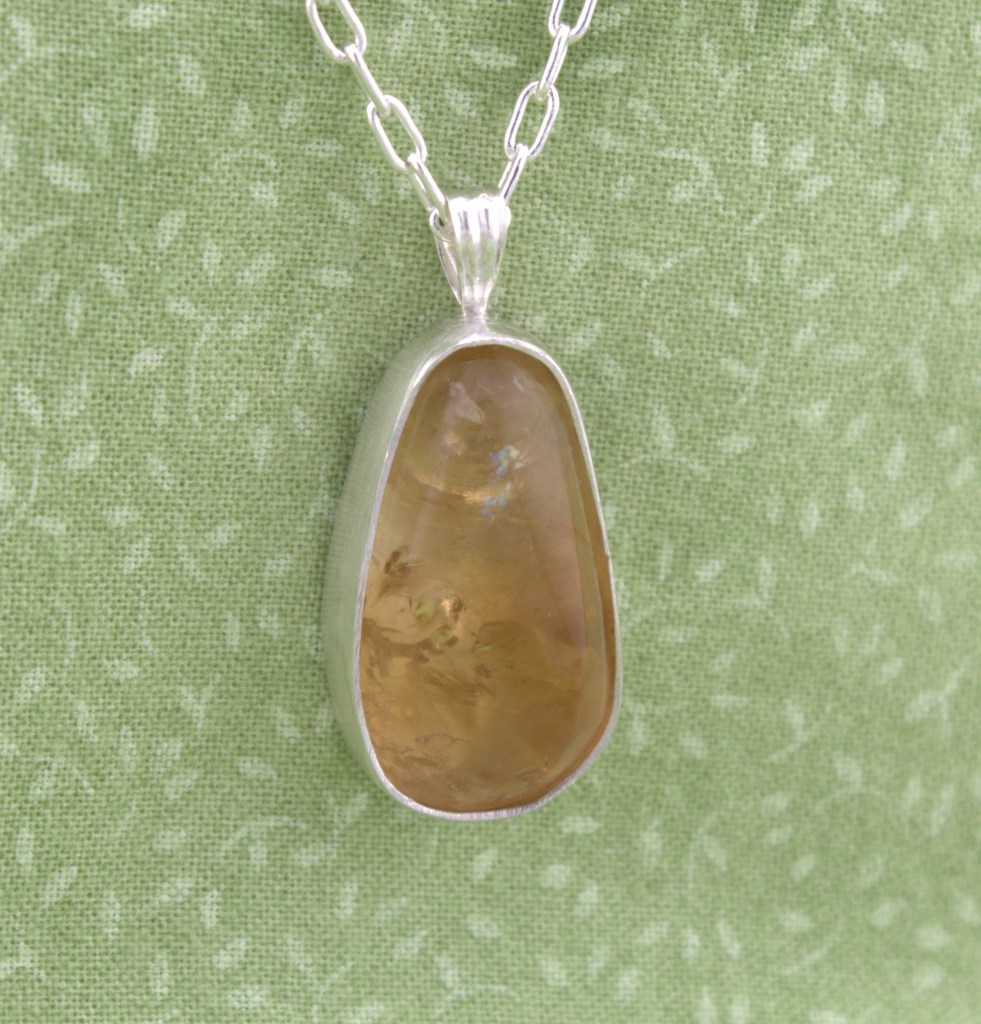
New Citrine pendants and ring in Sterling Silver.
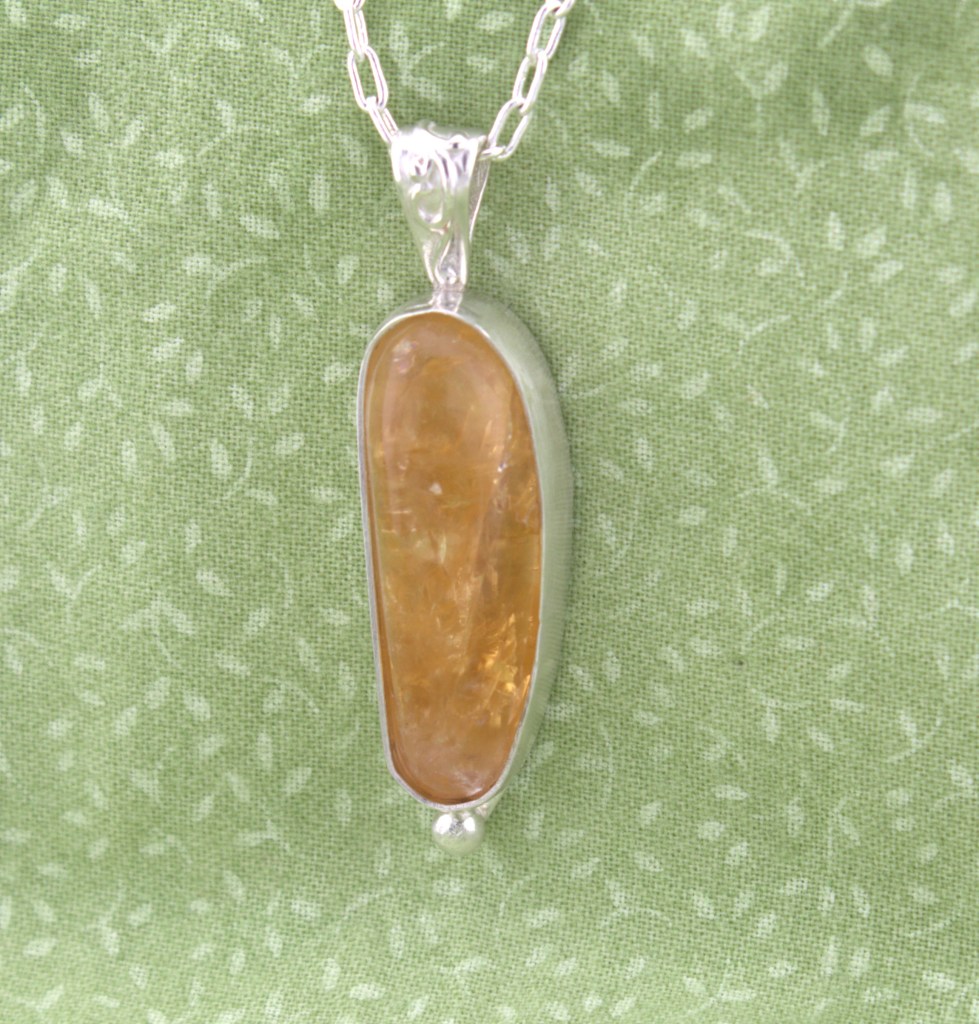
Citrine’s history spans ancient times to the present, with early use by the Ancient Greeks and in 17th-century Scotland for decorative purposes on items like sword hilts. The name “citrine” comes from the Latin and French words for yellow or lemon, inspired by its color, and it was mentioned as a “golden stone” in the Old Testament. While natural citrine is a rare find today, most citrine on the market is heat-treated amethyst.  

Ancient and early history

  • Ancient Greece: The Ancient Greeks used citrine during the Hellenistic period (300–150 B.C.) for decorative gems, believing it held the sun’s power, says Mark Schneider Fine Jewelry
  • Ancient texts: The stone was known in ancient times and was likely referred to in the Old Testament as “chrysolitus,” a Greek word for golden stone, notes BlueStone
  • Name origin: The name “citrine” is derived from the Latin word “citrina” or the French word “citron” (lemon), referring to its yellow and orange hues, according to Wikipedia

History of Citrine Gemstones | Where Citrine Comes From