Posted on Leave a comment

Silver Lace Onyx

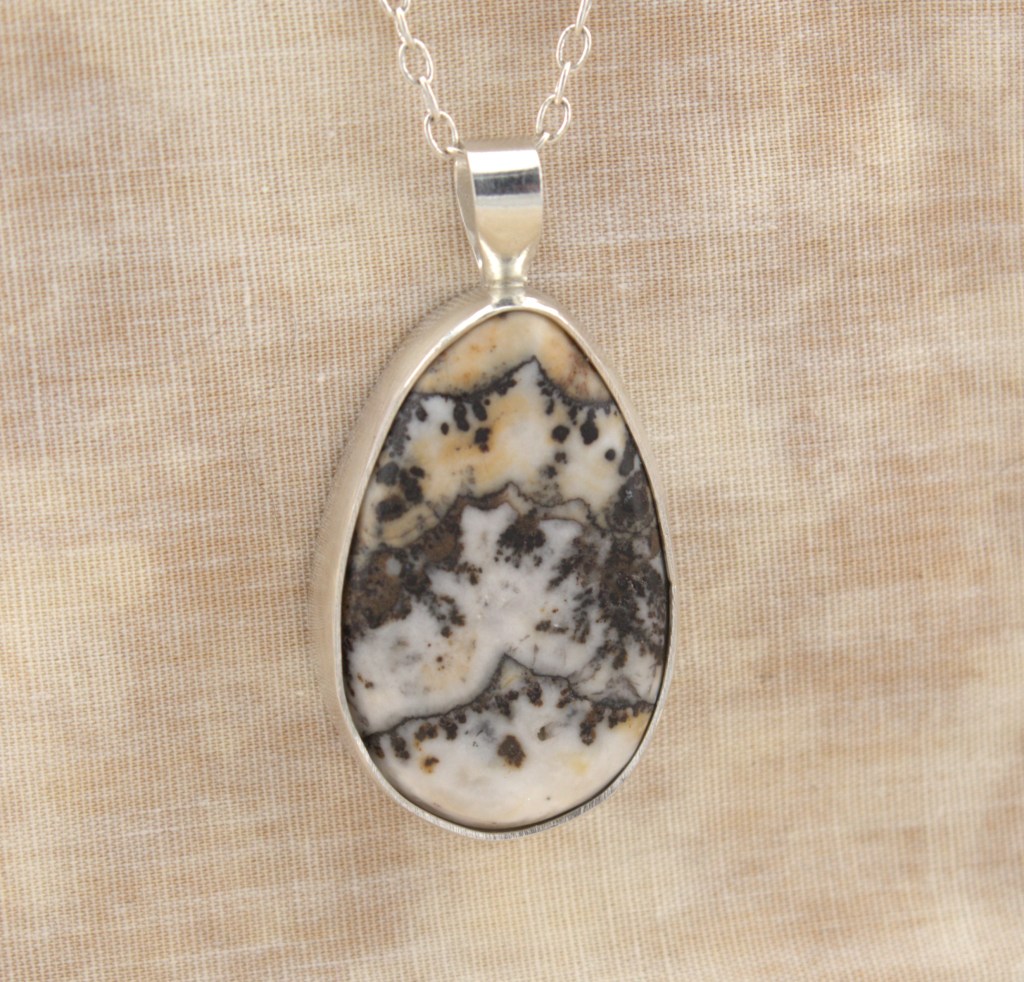
Silver Lace Onyx is found only in the Calico Mountains of California. The Calico Mountain range in the Mojave Desert, California was famous for being one of the largest silver producers in the 1880’s. In fact, this material has been known to have minute amounts of silver. However, it was determined not to contain enough silver to justify the labor and expense of extracting it.
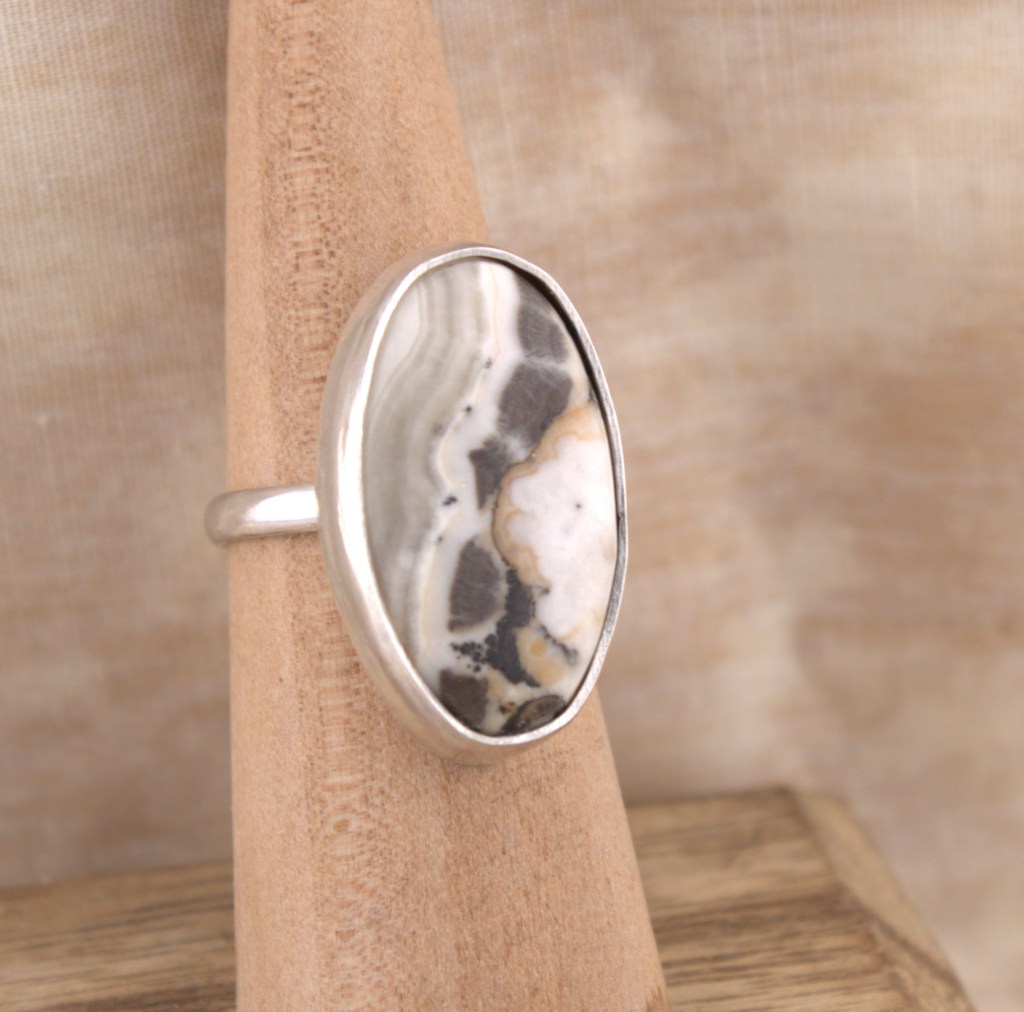
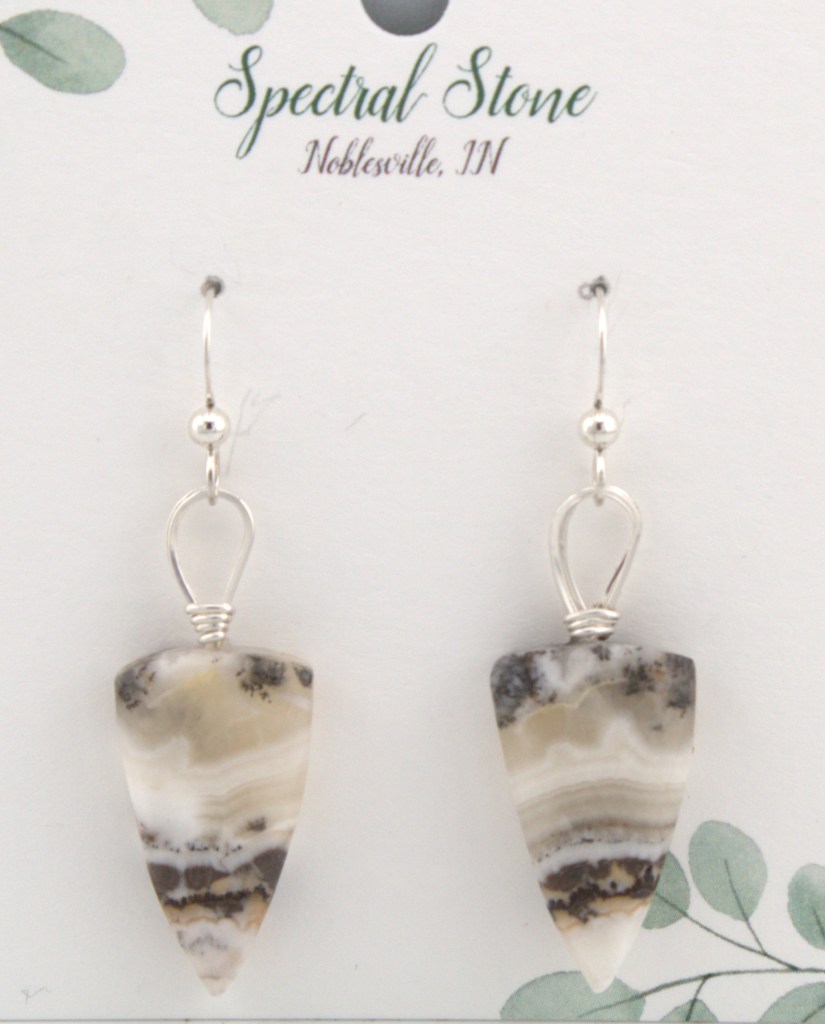
This Wilderness area, as with most of the greater NCA, has a deep prehistoric use by the ancestors of Native American people. It also shows a through-line continuity of use by contemporary Native Americans today. Signs of the earliest human habitation in North America have been found along the shoreline of ancient Lake Lahonton. This massive lake once created beaches and gravel bars against the eastern foothills of the Calico Mountain Wilderness. The earliest people in America walked and hunted Ice Age animals along this shore 12,000 to 14,000 years ago. Part of this early way of living included forays into the surrounding uplands to search for plant foods. They looked for bulbs, roots, seed, and berries. At that time, the Calico Mountains supported much more vegetation. This is something hard to imagine looking up into these colorful and dry mountains today.

Calico Mountains Wilderness

Posted on Leave a comment

African Queen Picture Jasper

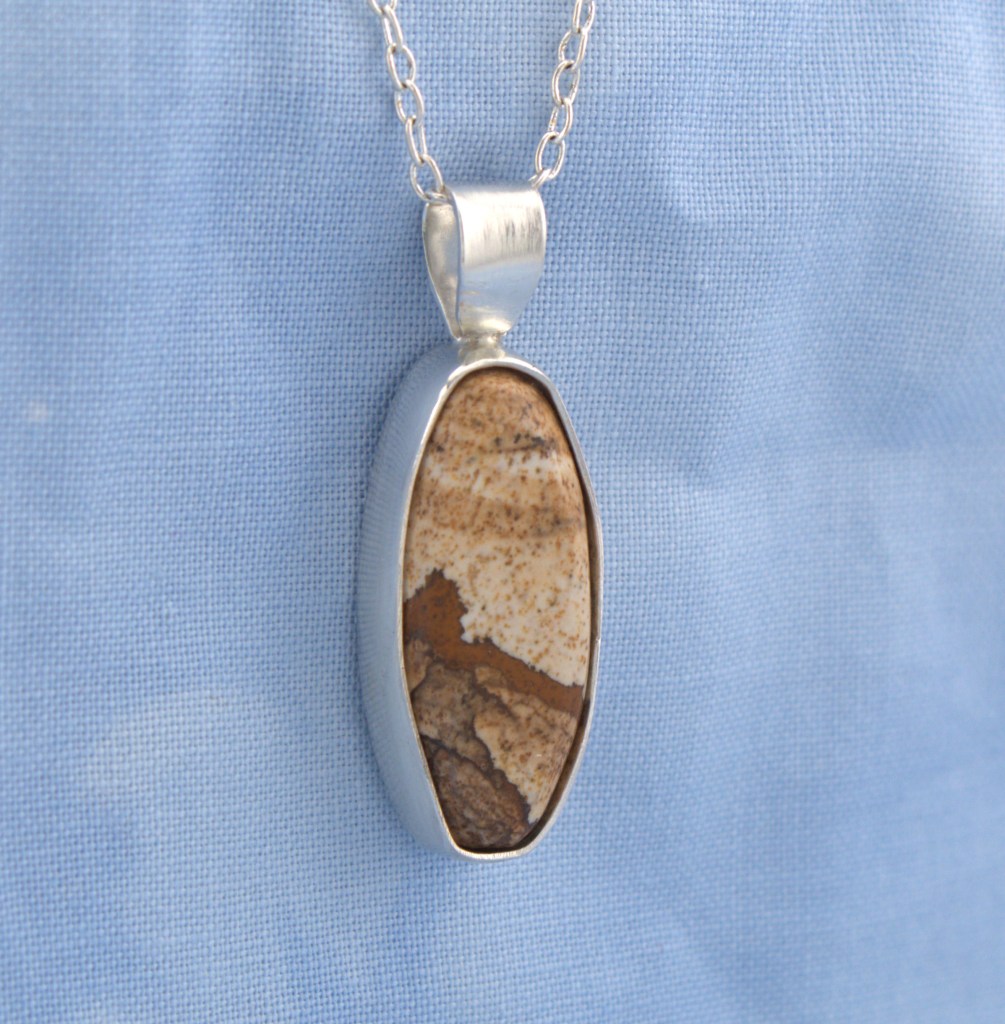
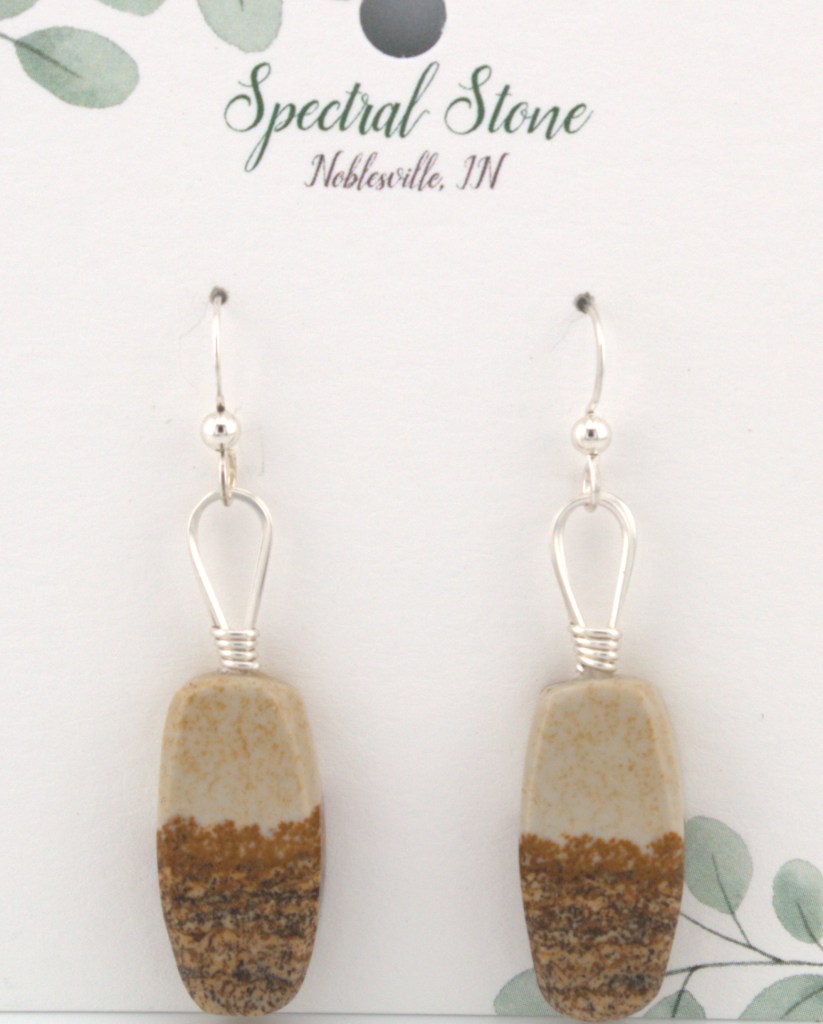
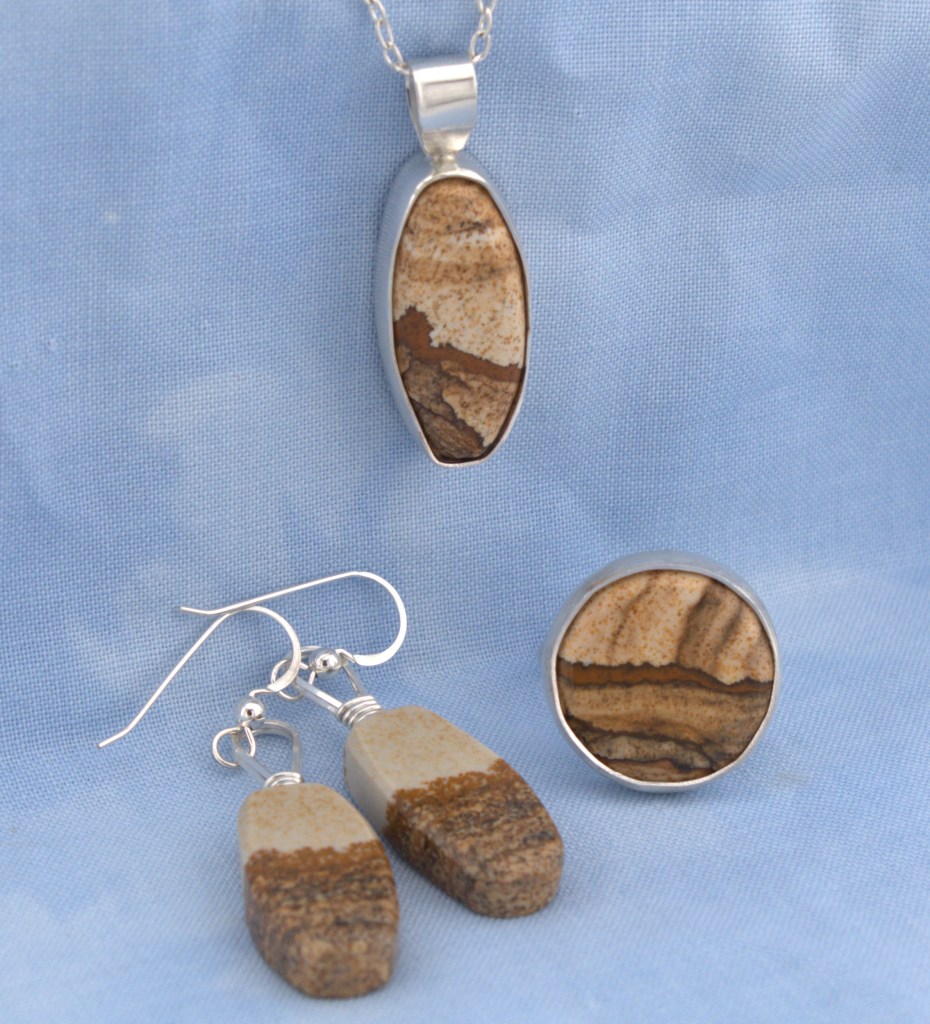
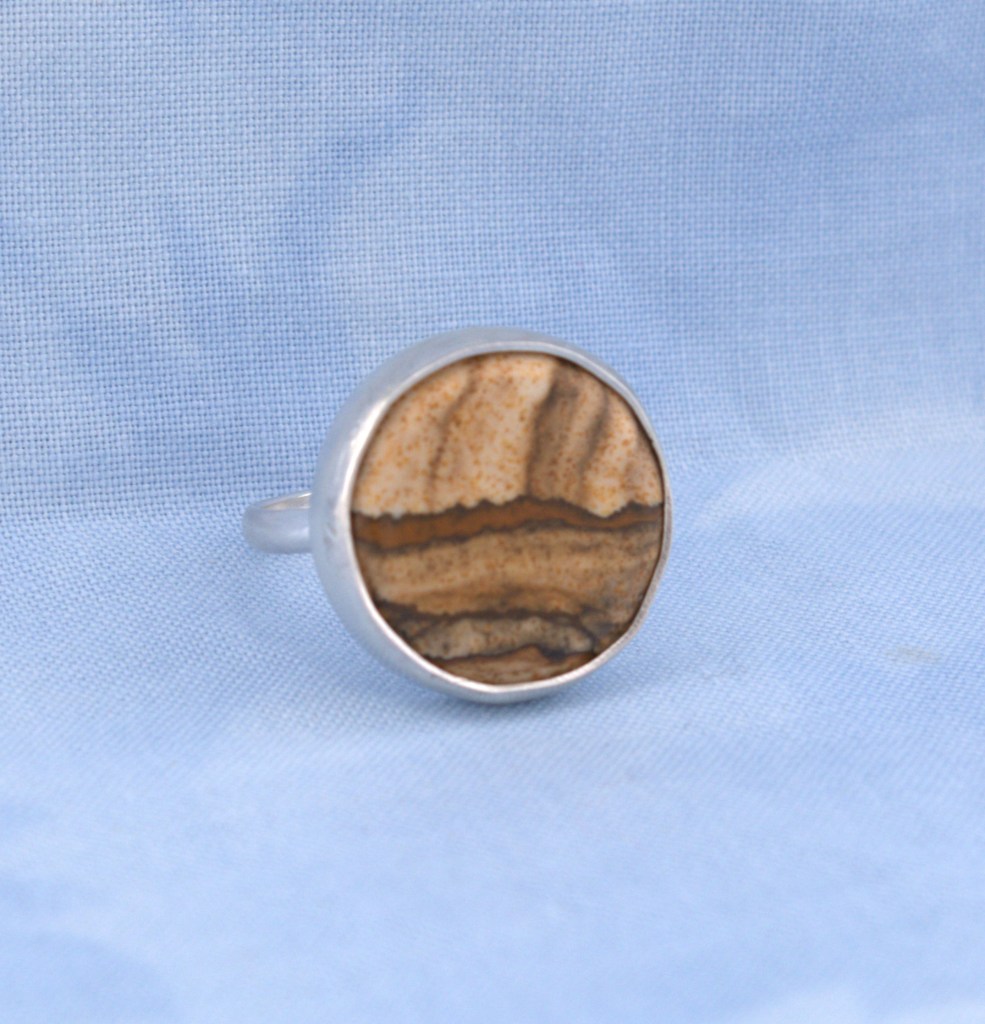
African Queen Picture Jasper originates from Namibia. It is a very solid jasper known for its desert coloring and landscape/ scenic patterning.

Picture Jasper is a type of jasper that contains interesting patterns and images within the stone. When you look at a Picture Jasper, it’s as if you’re looking into a landscape painted by mother nature, herself. The patterns within the stone can resemble everything from mountains and deserts to canyons and waterfalls.

These patterns and images are created by different colored minerals that are deposited within the Jasper. Picture Jasper is found in many different locations around the world, including the United States, Mexico, Canada, Europe, Asia, and Africa. This stone is relatively easy to find and is popular among gemstone collectors and jewelry designers.

The name “Picture Jasper” comes from the Latin word “pictura,” which means “painting.” This is because Picture Jasper often looks like a landscape painting. The patterns within the stone can resemble everything from mountains and deserts to canyons and waterfalls.

For centuries, Picture Jasper has been used for its beauty and unique patterns. But this stone is more than just a pretty face. Picture Jasper also has a rich history and ancient lore.

The Egyptians were some of the first people to use Picture Jasper in their jewelry and amulets. They believed that this stone had special powers and that it could protect the wearer from harm.

The Native Americans used Picture Jasper as a sacred stone. They believed that it could help them connect with the Earth and nature. Native Americans are all about their connection to the Earth, so this makes perfect sense! Picture Jasper was also used as a talisman to ward off evil spirits.

The Chinese also have a long history with Picture Jasper. They used the stone in many different ways, including carving it into vases and other objects. The Chinese also believed that Picture Jasper had special powers. They believed that the stone could bring good luck and prosperity to the wearer.

The Ancient Greeks and Romans also used Picture Jasper. They believed that the stone could promote good health and protect the wearer from accidents and injuries.

Posted on Leave a comment

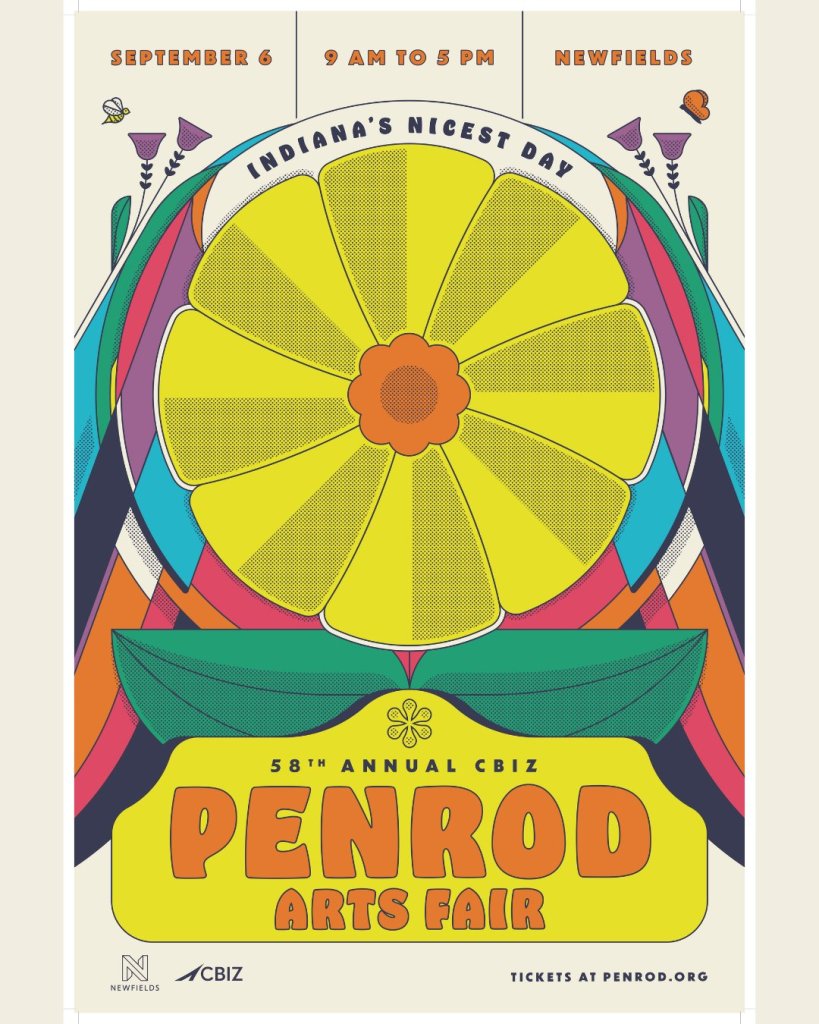
Penrod at Newfields September 6th

Spectral Stone will be exhibiting in Penrod at Newfields, September 6th in Indianapolis Indiana.

Indiana’s Nicest Day

The Penrod Arts Fair is known as “Indiana’s Nicest Day.” From its beginning, the Fair, originally dubbed the “Arts Fair at Oldfields,” has been the The Penrod Society’s signature event. It is their most significant fundraiser. The first Fair was a one-day, afternoon event (2p.m. to 7 p.m.) that took place at Oldfields on Saturday, September 9, 1967. This was the first Saturday after Labor Day. Public admission was $2 (rich in 1967!), and attendees were treated to—or, rather, enticed to attend with—free beer.  The event included live music, food and drink, paintings, and other art for sale.

In some ways, little has changed in 57 years. Today, the Penrod Arts Fair is still a one-day event taking place on the Newfields campus every year. It occurs on the first Saturday after Labor Day, although now the Fair takes place from 9a.m. to 5p.m. In other ways, the Fair has changed dramatically.  The Fair is now one of the largest single-day arts fairs in the country. It draws over 20,000 patrons.  The physical footprint of the Fair has grown significantly. It now encompasses not only the land of Oldfields (now commonly referred to as the Lilly House), but also most of the other open outdoor spaces to the north and east of the IMA’s main building on the Newfields campus. Proceeds from this one-day celebration provide grants for Indianapolis-area arts and community organizations.

Posted on Leave a comment

Larimar and Lapis Lazuli

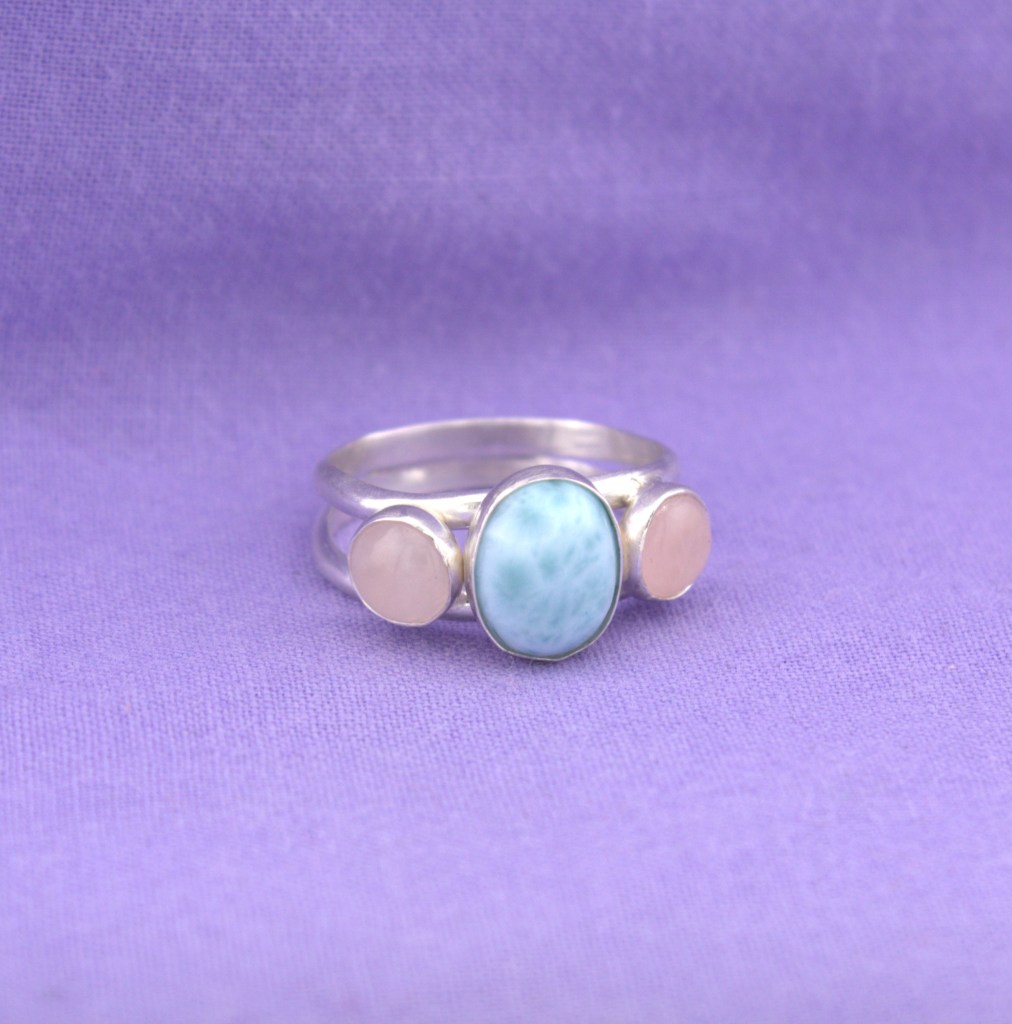
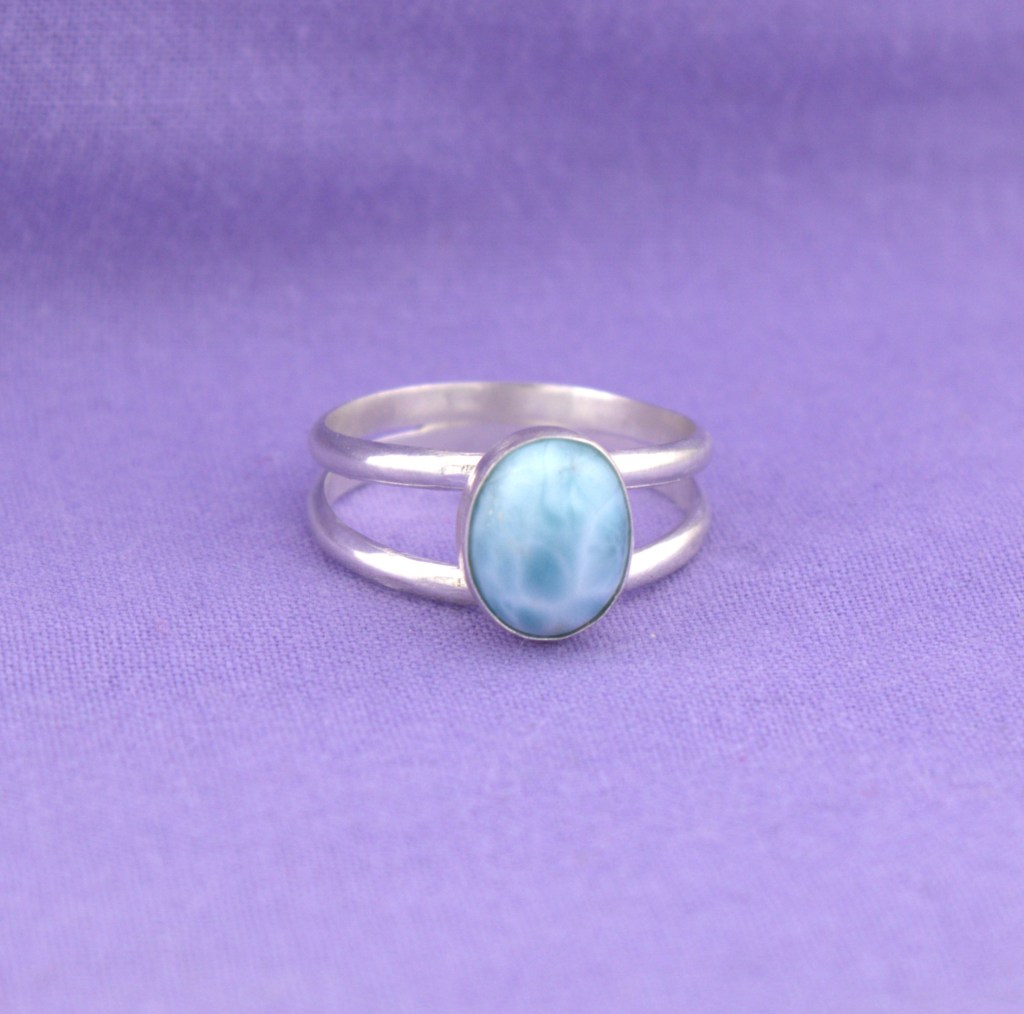
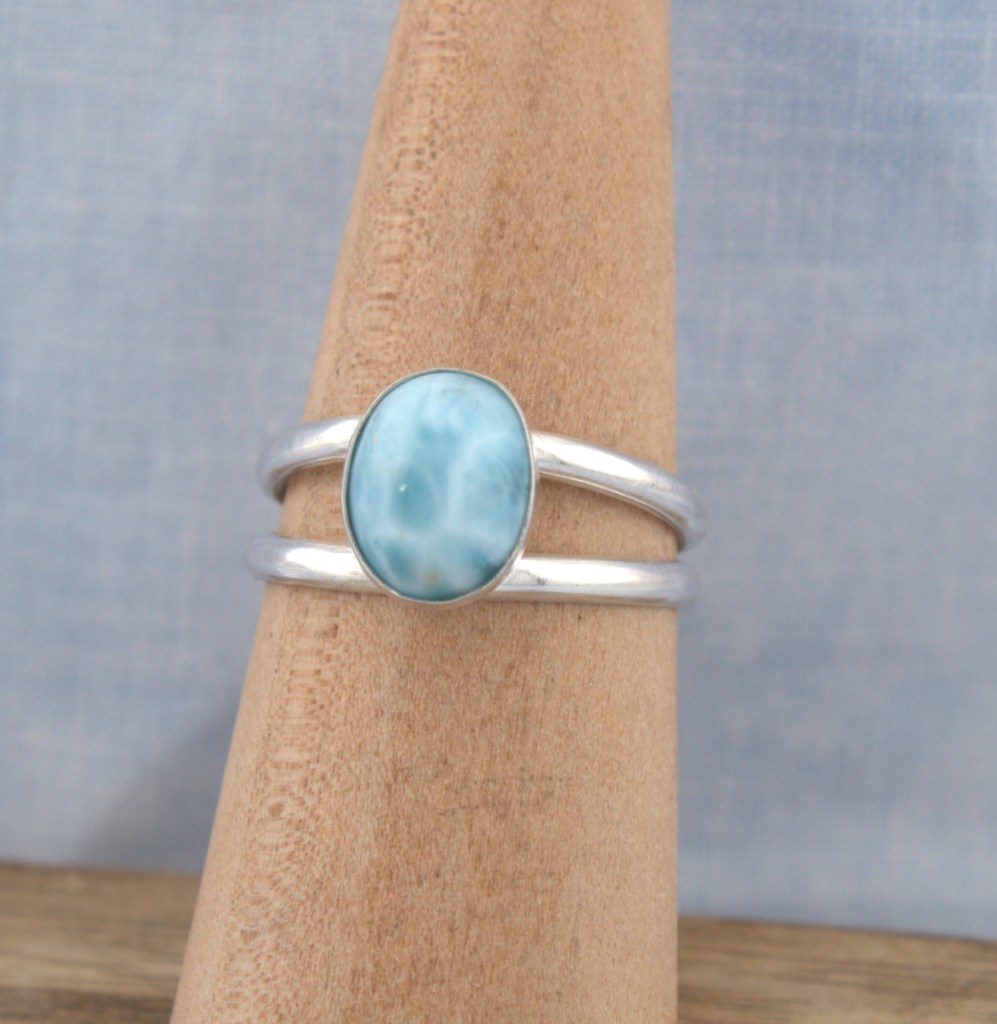
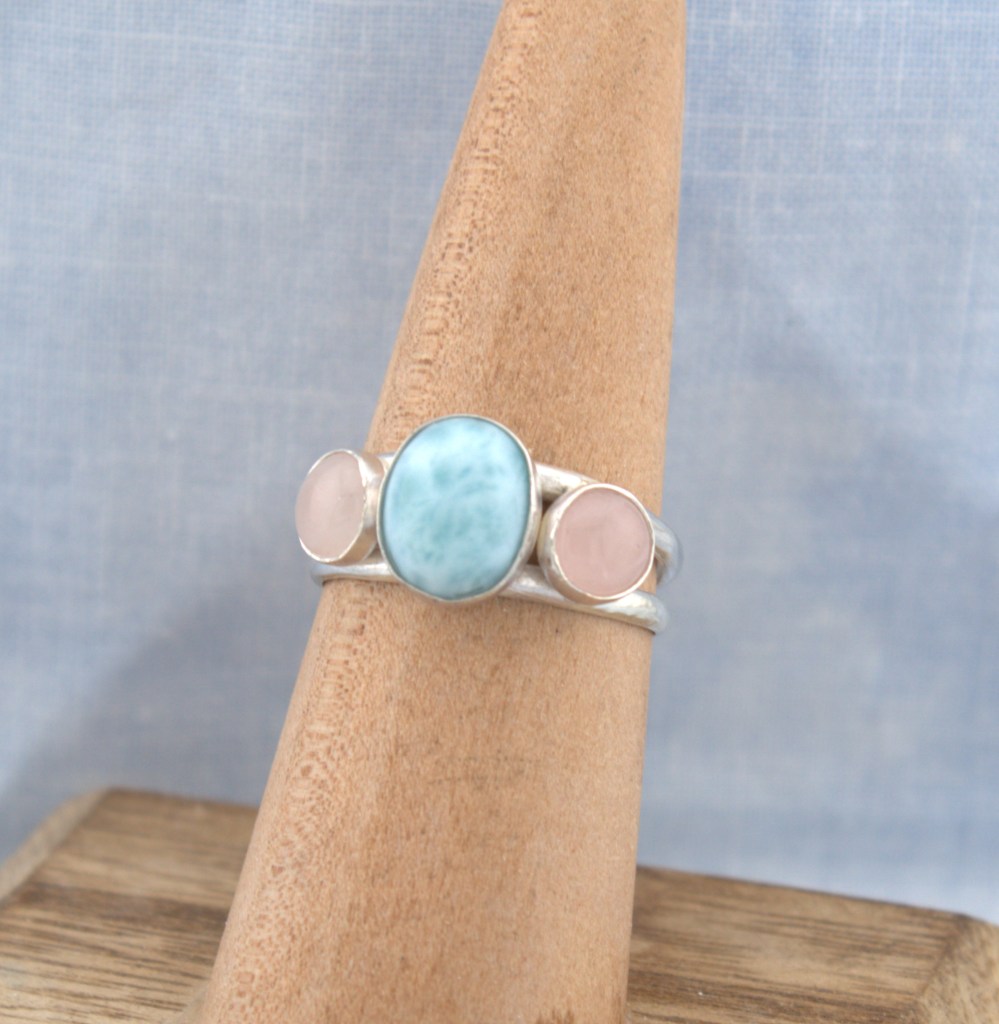
Larimar and Lapis Lazuli with Rose Quartz set in Sterling Silver. Larimar is beautiful on its own, and lovely with Rose Quartz accompaniment.

Larimar:

Larimar is a semi-precious stone that found in the Barahona region, in the southwest of the Dominican Republic.
This makes Larimar a rare and unique stone, which visitors with pleasure take away as a souvenir of their stay in our country.

Locals managed to collect Larimar from the surface, on the ground. In fact, local children used to have fun collecting Larimar pebbles that the Bahoruco River dragged and deposited on the beach in bottles, to sell them to visitors.
The mines that are upstream of the river have been operating since 1976. It is a mountainous region, very humid and exuberant.
The exploitation of Larimar is difficult and dangerous; the mines are deep, and access is difficult due to the steep and slippery terrain.

Lapis Lazuli:

Historians believe the link between humans and lapis lazuli stretches back more than 6,500 years. The gem was treasured by the ancient civilizations of Mesopotamia, Egypt, China, Greece, and Rome. They valued it for its vivid, exquisite color, and prized it as much as they prized other blue gems like sapphire and turquoise.

Rose Quartz:

Rose quartz beads dating back to 7000 BC are found in the area known as Mesopotamia (today’s Iraq). Jewelry was crafted by the Assyrians around 800-600 BC. The Assyrians, along with the Romans, might have been the first to use this stone.

People in the earliest recorded times believed in the magical powers of quartz. Ancient Roman, Egyptian, and Greek civilizations used quartz crystals as potent talismans. The Romans used rose quartz as a seal to signify ownership, and Egyptians believed the stone could prevent aging.

Posted on Leave a comment

Turquoise Earrings

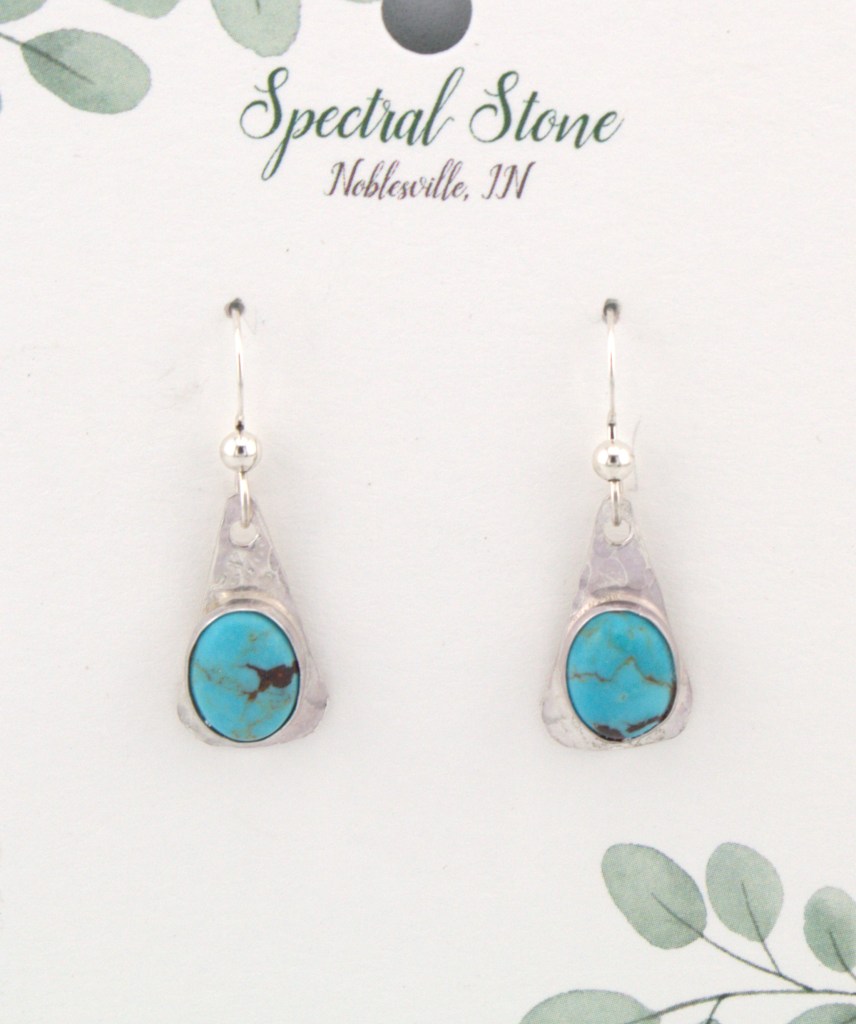
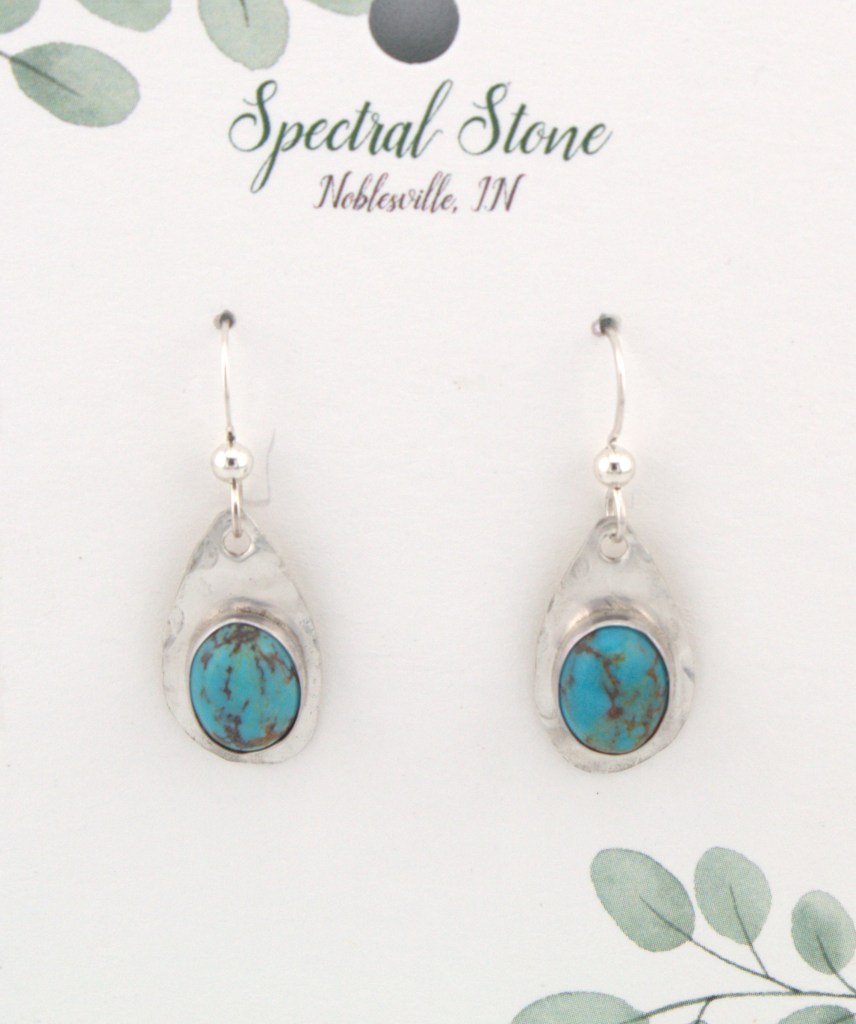
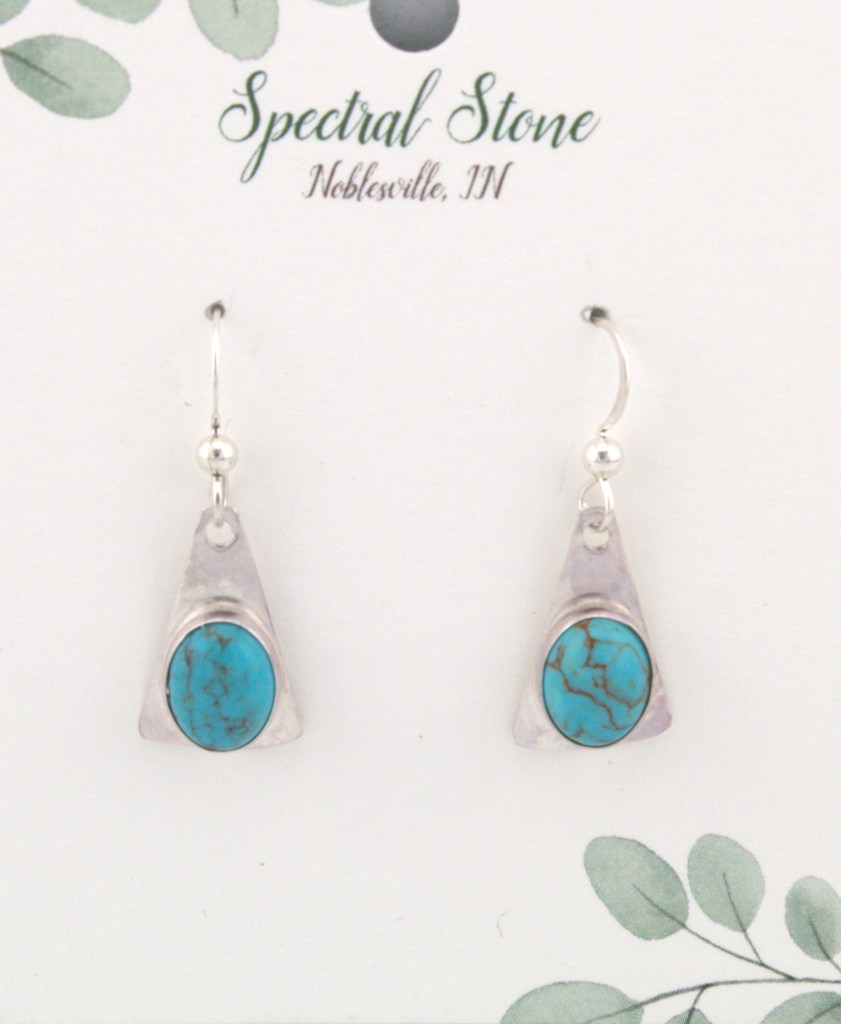
Turquoise set in Sterling Silver with Sterling ear wire.

Turquoise has a rich history, valued by ancient civilizations for its vibrant blue color and perceived protective properties. It’s been mined for millennia. Ancient Egyptians used it in jewelry and funerary objects. Meanwhile, Native Americans incorporated it into their cultural and spiritual practices. The name “turquoise” itself comes from the French word for “Turkish stone,” though the stone actually originated in Persia. 

Turquoise is one of the world’s most ancient gems. Archaeological excavations revealed that the rulers of ancient Egypt adorned themselves with turquoise jewelry. Moreover, Chinese artisans were carving it more than 3,000 years ago. Turquoise is the national gem of Tibet. It has long been considered a stone that guarantees health, good fortune, and protection from evil.

The gem’s name comes from the French expression pierre tourques, or “Turkish stone.” The name, which originated in the thirteenth century, reflects the fact that the material probably first arrived in Europe from Turkish sources.

Turquoise was a ceremonial gem and a medium of exchange for Native American tribes in the southwestern US. They also used it in their jewelry and amulets. The Apaches believed that turquoise attached to a bow or firearm increased a hunter’s or warrior’s accuracy.

History of the Turquoise Gemstone | American Gem Society

Earrings Archives | Spectral Stone Lapidary Arts